UK nuclear transport innovation supports global clean energy ambitions
A new UK-developed transport solution is set to play a vital role in delivering advanced nuclear technologies and meeting Britain’s clean energy and energy security needs.
As the UK intensifies its efforts to deliver net-zero, Nuclear Transport Solutions (NTS), part of the Nuclear Decommissioning Authority, is playing a pivotal role in enabling the next generation of nuclear reactors. Its work spans the safe transport of nuclear materials, the development of innovative packaging solutions, and the delivery of complex international logistics, all underpinned by decades of expertise and a flawless nuclear safety record.
One of NTS’s most advanced projects is the Pegasus transport package, designed to safely move High Assay Low Enriched Uranium (HALEU) fuel, which will be essential for the new generation of nuclear power plants. These reactors are central to the UK’s clean energy strategy, offering flexible, scalable alternatives to traditional nuclear power stations and supporting the transition away from fossil fuels.
Pegasus is being developed for international licensing, showcasing British engineering excellence and positioning the UK as a global leader in nuclear transport. Its design prioritises safety, efficiency and adaptability, with a focus on using readily available materials to reduce manufacturing complexity and cost.
Sean Perry, Lead Design Engineer, said:
“Pegasus is a game-changer for nuclear transport. Its design is efficient, scalable and versatile, with advanced safety features that meet the demands of modern reactor technologies.
“We’ve demonstrated that using readily available materials like pine wood can match or outperform synthetic polymers, offering significant cost and production benefits without compromising safety.”
The Pegasus programme and NTS’s broader activities contribute directly to several of the government’s five missions:
- Making Britain a Clean Energy Superpower by enabling the deployment of advanced nuclear technologies and supporting international collaboration.
- Kickstarting economic growth through investment in high-value manufacturing, engineering innovation, and export services.
- Strengthening national security by reducing dependence on overseas fuel supply chains and enhancing the UK’s energy independence.
- Breaking down barriers to opportunity by creating skilled jobs, supporting regional economies, and investing in future-facing industries.
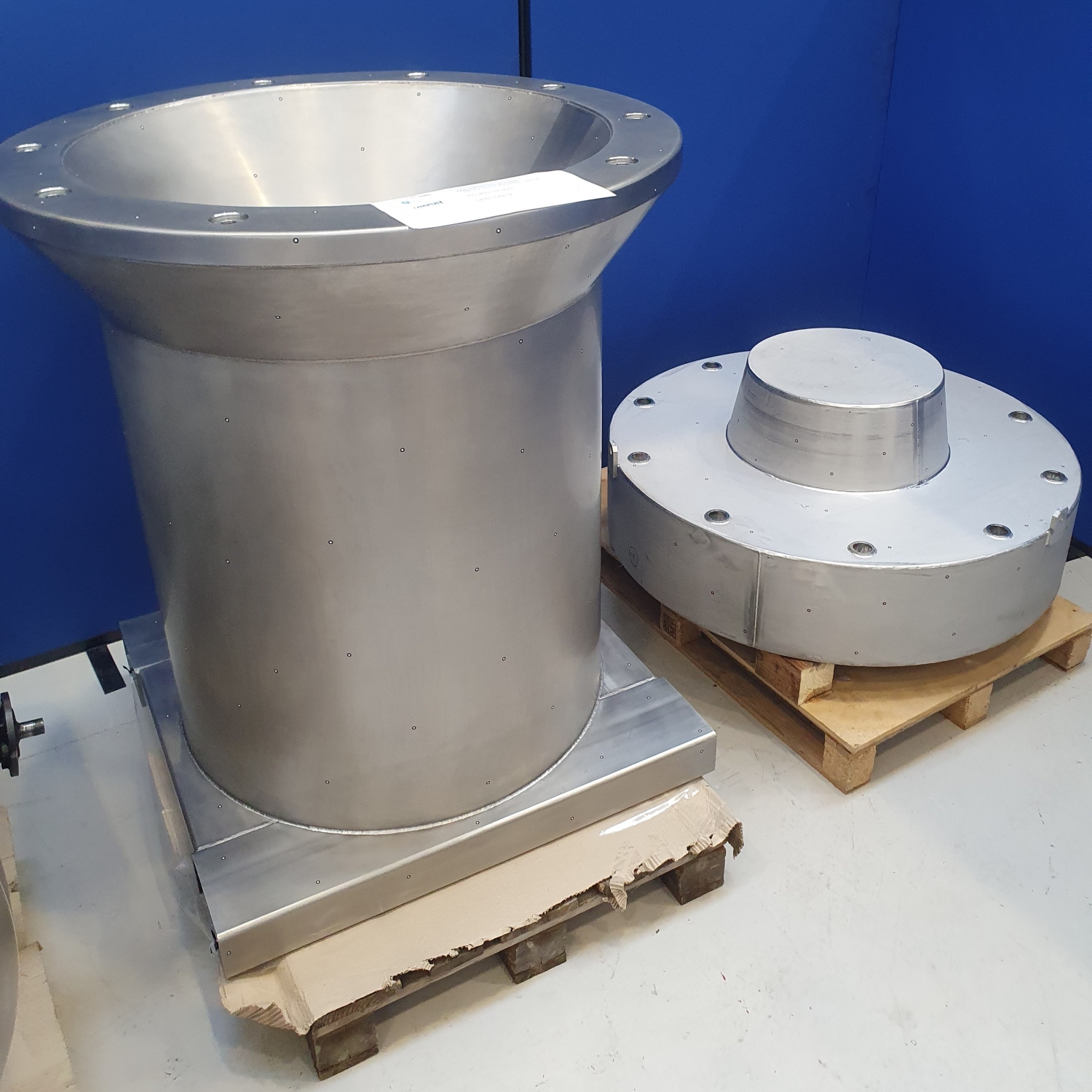 Pegasus transport package, designed to safely move High Assay Low Enriched Uranium (HALEU) fuel
Pegasus is just one part of NTS’s wider mission. The organisation also manages the transport of Mixed Oxide (MOX) fuel – a recycled nuclear fuel made from plutonium and uranium – from Europe to Japan. These shipments are carried out by Pacific Nuclear Transport Ltd (PNTL), a subsidiary of NTS, using purpose-built vessels classified at the highest level of nuclear cargo safety (INF3) by the International Maritime Organisation. These ships are double-hulled, equipped with exceptional safety systems, and crewed by some of the most experienced nuclear mariners in the world.
In addition to fuel transport, NTS plays a key role in returning high-level waste to international partners. A recent consignment of seven flasks containing high-level waste (HLW), in the form of vitrified residues, was delivered to an interim storage facility in Germany in April this year. The waste was transported by NTS’s specialist rail capability from Sellafield to the port of Barrow-in-Furness, and by sea onboard a PNTL vessel to Germany.
The waste results from the reprocessing and recycling of spent nuclear fuel at the Sellafield site in West Cumbria. Vitrified Residue Returns (VRR) are a key component of the UK’s strategy to repatriate high-level waste from the Sellafield site, fulfil overseas contracts, and deliver on government policy.
While the government continues its focus on energy infrastructure, supply chain resilience and net-zero delivery, NTS offers a clear example of UK innovation supporting national and global priorities. As the world’s leading specialist in safe, secure and reliable nuclear transport, its work not only enables the safe movement of nuclear materials but also underpins the long-term viability of clean energy technologies.
The Pegasus package will continue this legacy of putting Britain at the forefront of innovation, safety and performance.
Michelle Scrogham, Member of Parliament for Barrow and Furness, said:
“Projects like Pegasus show how British engineering is driving the clean energy transition while supporting net zero goals, boosting energy security, and creating high-quality jobs across the country.”
