2025 In Politics: Deputy PM Resigns And Much More
The resignation of Angela Rayner from government was one of many challenges facing Labour this year. (Alamy)
10 min read
Many people thought Labour's huge majority would bring a period of calm. However, 2025 will be remembered as yet another turbulent year in British politics.
Resignations, major U-turns, and a political party system under pressure like never before, the past 12 months have been packed with drama and intrigue.
Here are the major political moments of 2025.
January
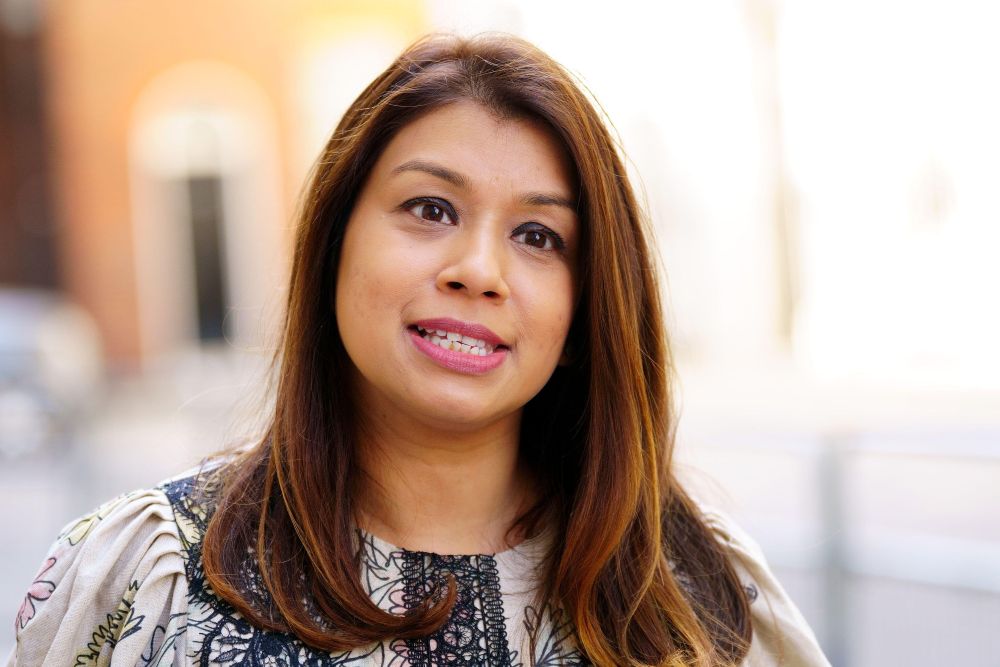 14 January - Tulip Siddiq resigned as Treasury minister following an anti-corruption investigation in Bangladesh. Siddiq referred herself to Prime Minister Keir Starmer's independent ethics adviser, Sir Laurie Magnus, following questions about links to her aunt, who was Bangladesh's prime minister.
16 January - Yvette Cooper, the then home secretary, announced a new review of grooming gangs following heavy political pressure, including from X owner Elon Musk. Cooper said that Baroness Louise Casey would lead the work.
20 January - Starmer congratulated Donald Trump on his inauguration after the Republican candidate secured a return to the White House. In Westminster, there were questions abound over how Starmer would strike a relationship with the new US president — not least with senior Labour figures like David Lammy having previously criticised him in scathing terms.
February
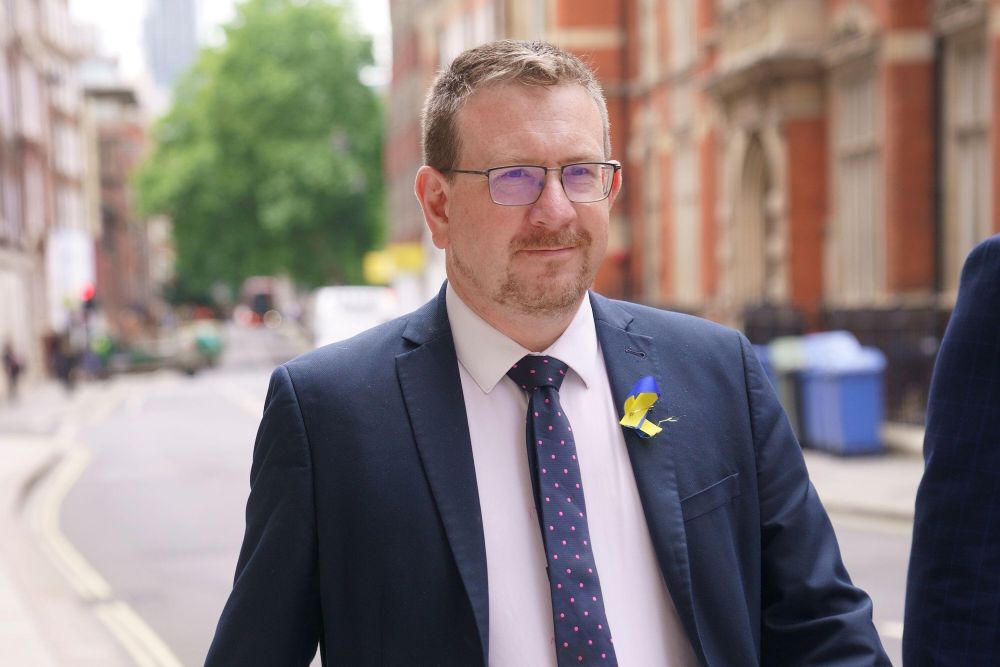 8 February - Andrew Gwynne was sacked as a health minister and suspended from Labour after abusive WhatsApp messages he had sent about local constituents, councillors and other MPs were leaked to the press. The MP for Gorton and Denton apologised for "badly misjudged comments".
10 February - Labour MP Oliver Ryan had the whip suspended after it emerged he had been part of the same WhatsApp group as Gwynne. The MP said he regretted "not speaking out at the time", and that the comments had been "completely unacceptable".
25 February - The government announced that defence spending would rise to 2.5 per cent of GDP from April 2027, with an ambition to reach 3 per cent in the next parliament. The move came amid growing pressure from the US on European countries to increase their defence budgets in the face of Russian aggression. "In an ever more dangerous world", said Starmer, "increasing the resilience of our country so we can protect the British people, resist future shocks and bolster British interests, is vital."
28 February - Starmer visited Trump in the White House for the first time as UK PM. The visit was seen as a relative success for the Prime Minister. Sat alongside Trump, Starmer handed him a letter from the King inviting him on a second state visit to Britain.
March
 1 March - Starmer hosted Ukraine's president, Volodymyr Zelensky, at No 10 just a day after an extraordinary clash between Zelenskyy and Trump in the Oval Office. During his visit to Washington, Zelensky was berated by vice-president JD Vance and accused by Trump of "gambling with world war three". Zelensky was greeted by cheering crowds in Westminster.
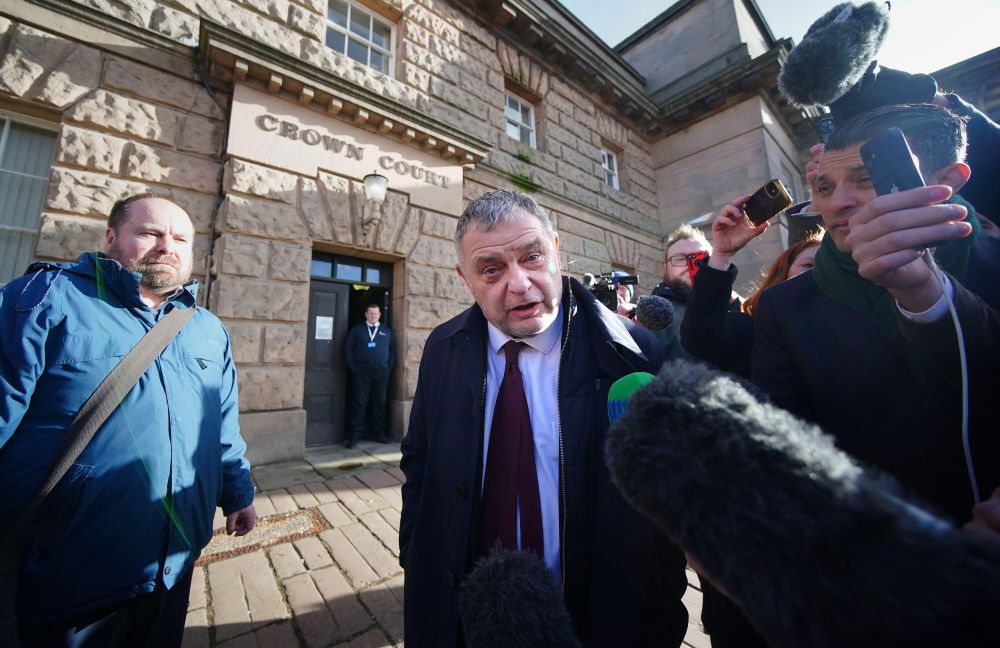
10 March - Labour MP Mike Amesbury announced he would stand down from the House of Commons after being convicted of assaulting a member of the public.
13 March - The government announced it would abolish NHS England as part of its bid to reduce bureaucracy. Starmer and Health Secretary Wes Streeting said merging the quango with the Department of Health and Social Care would "deliver better value for taxpayers’ money and a better service for patients".
19 March - King Charles and Queen Camilla made their first state visit to Northern Ireland.
26 March - Chancellor Rachel Reeves delivered her Spring Statement, which set out the government's plans to bring down welfare spending.
April
 6 April - Labour MPs Abtisam Mohamed and Yuan Yang said they were denied entry to Israel. David Lammy, then the foreign secretary, described the move as "unacceptable, counterproductive, and deeply concerning".
12 April - The government passed emergency legislation to keep British Steel running, amid warnings that 2,700 jobs would be lost as a result of the blast furnaces shutting down.
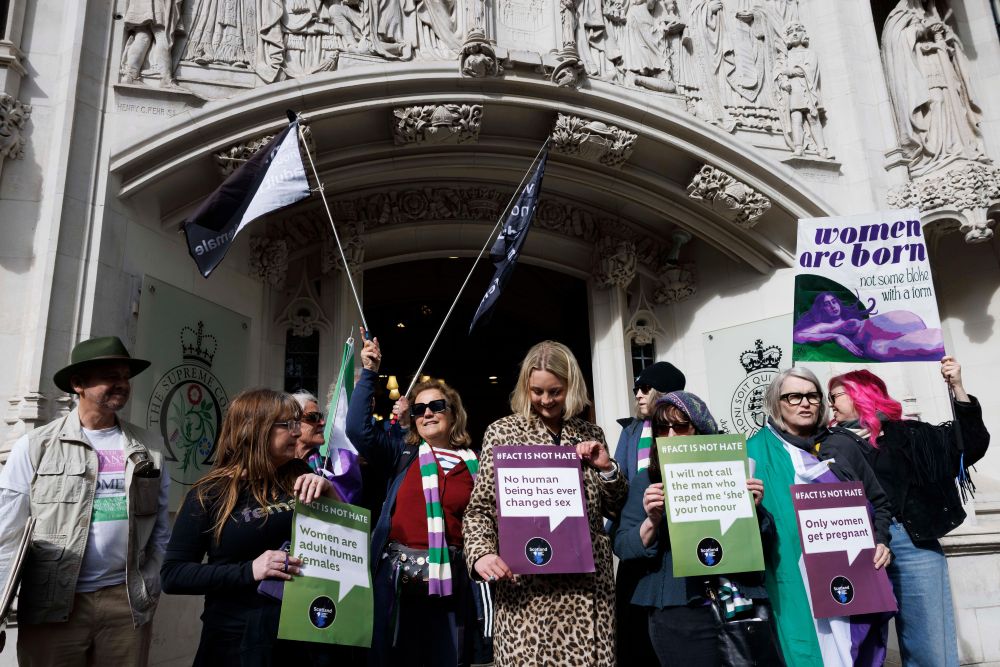
16 April - The UK Supreme Court ruled that "sex," "man," and "woman" in the Equality Act 2010 refer to biological sex, triggering renewed debate about trans issues.
May
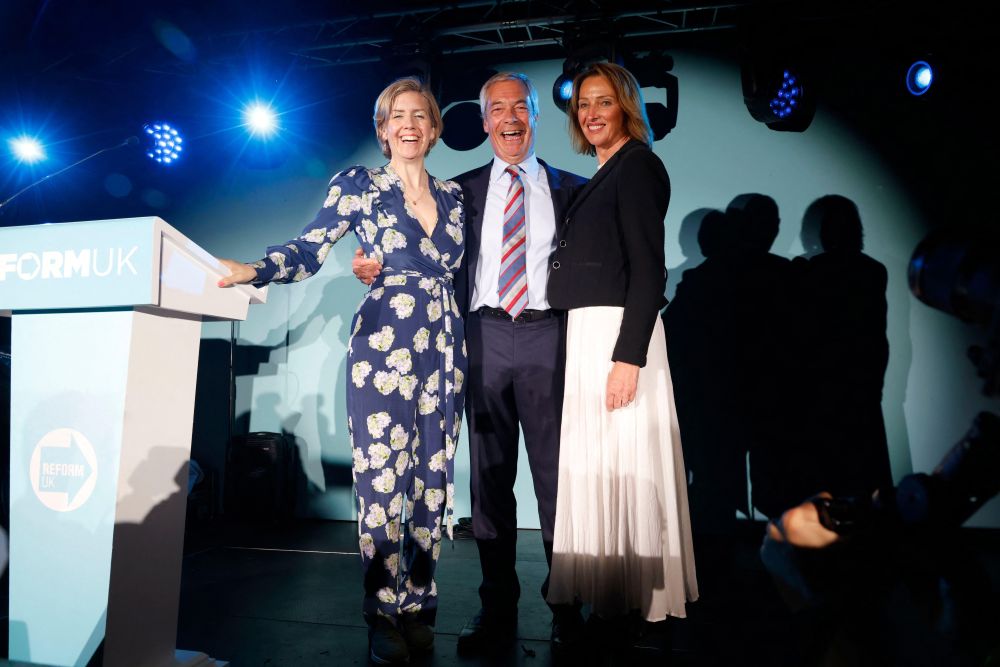 2 May - In a major breakthrough moment for Reform UK, Nigel Farage's party made significant gains at local elections nationwide. Labour and the Tories, on the other hand, suffered bruising losses. As well as success at council level, Sarah Pochin successfully defeated Labour in the parliamentary by-election in Runcorn and Helsby to replace Amesbury, while Andrea Jenkyns and Luke Campbell became the party's first mayors.
8 May - Over 40 Labour MPs wrote to the government over plans to make Personal Independence Payments (PIP) harder to claim. It was the first warning shot of the scale of the backbench rebellion to come.
12 May - Starmer triggered unease in his party after using the phrase "island of strangers" in a speech about immigration following the disappointment of the local elections. The PM later admitted regretting using that language.
June
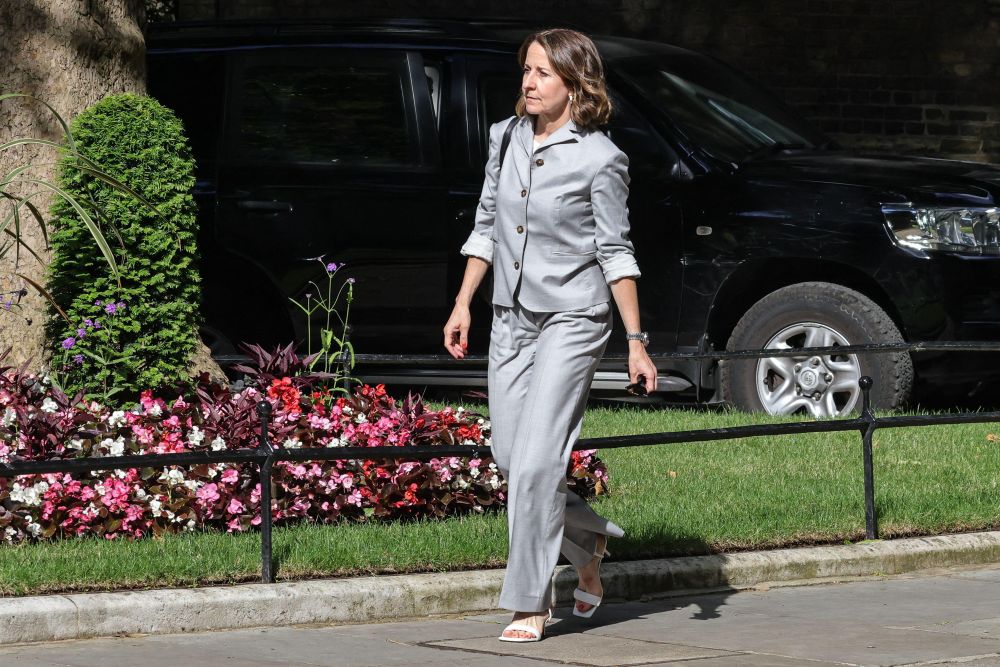 9 June - The government announced a partial U-turn on controversial cuts to the winter fuel allowance. Pensioners in England and Wales with an annual income of £35,000 would now be eligible to claim the benefit following backlash from MPs and voters.
14 June - Ministers accepted Baroness Casey's recommendation of a full statutory inquiry into grooming gangs.
20 June - The Assisted Dying Bill, spearheaded by Labour MP Kim Leadbetter, is passed by MPs in the House of Commons and proceeds to the House of Lords after intense parliamentary debate.
27 June - Liz Kendall, then work and pensions secretary, announced a painful government climbdown on welfare reforms after dozens of Labour MPs threatened to rebel. There was widespread backbench concern that the proposed changes would push vulnerable people further into hardship. A heavily revised version of the legislation was later voted through.
July
 13 July - Protests and counterprotests started outside a hotel in Epping after an asylum seeker was arrested and subsequently charged for sexual assault. The hotel in Essex became a focal point for debate about Britain's borders and asylum policy.
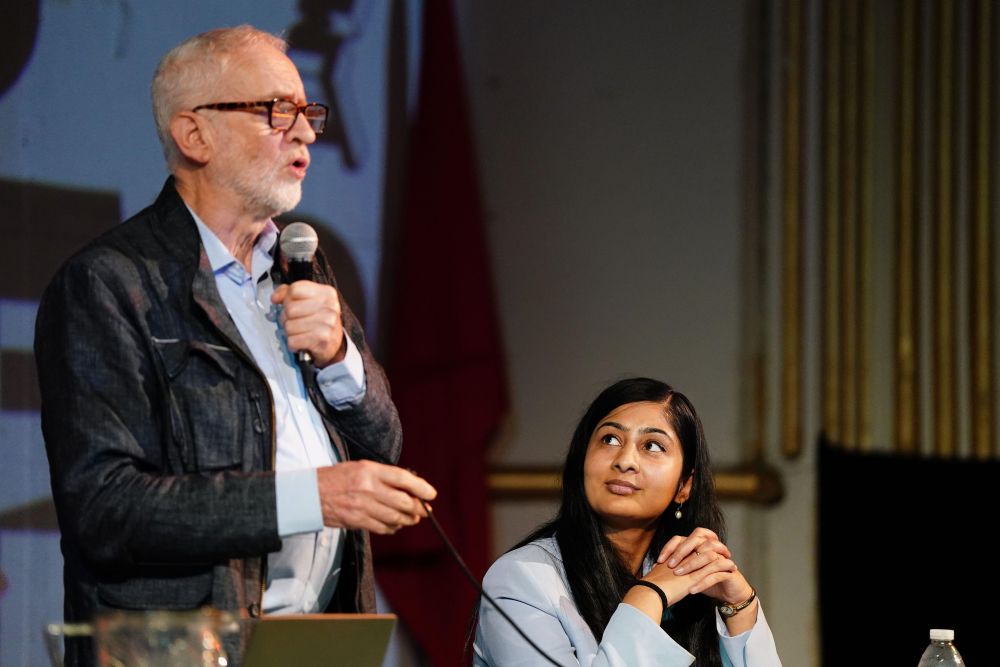
24 July - Former Labour MPs Jeremy Corbyn and Zarah Sultana announced a new left-wing political party. At the time, the move was seen as a major electoral threat to Starmer's Labour. However, the prospective party quickly descended into infighting.
August
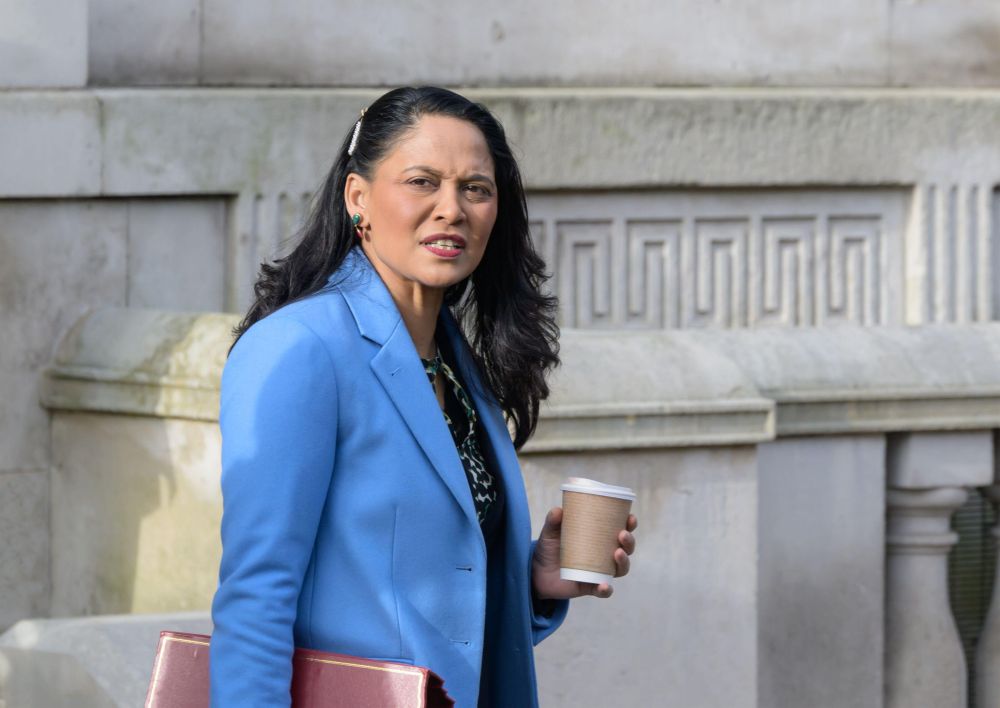 8 August - Rushanara Ali resigned as homelessness minister over criticism of how she had managed the properties for which she was a landlord.
28 August - The Daily Telegraph reported that deputy prime minister and housing secretary Angela Rayner had avoided £40,000 in stamp duty. Pressure grew on Rayner to resign.
September
 1 September - A mini-cabinet reshuffle resulted in Darren Jones becoming Chief Secretary to the Prime Minister — and one of the most powerful figures in the Labour government.
2 September - London Assembly Member Zack Polanski won the Green Party leadership contest, taking the Greens in a more left-wing direction. The party enjoyed a polling boost following his victory.
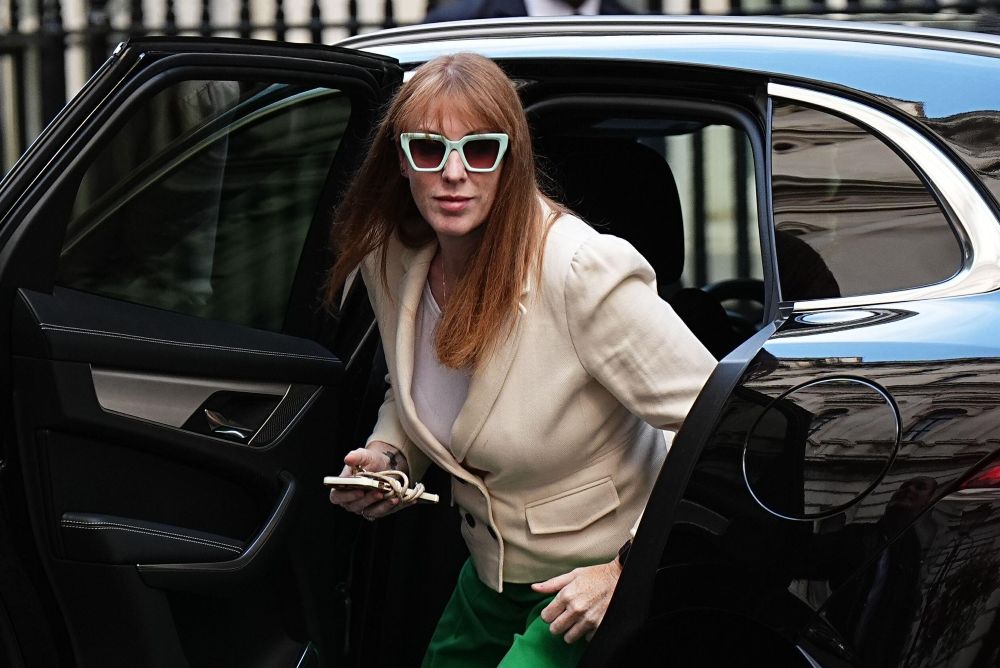
5 September - Rayner resigned from cabinet and as deputy Labour leader over the stamp duty affair. Sir Laurie Magnus, independent ethics adviser to the PM, found that Rayner had breached the ministerial code in the handling of her tax affairs. Her departure triggered another reshuffle. David Lammy replaced her as deputy PM and also became justice secretary, Yvette Cooper became foreign secretary, and Shabana Mahmood was made the new home secretary. Steve Reed took on Rayner's housing and communities brief.
5 September - Rayner's exit triggers a deputy Labour leadership contest.
11 September - Lord Peter Mandelson is sacked as UK ambassador to the US by Starmer after more details emerge on the closeness of his relationship with convicted paedophile and sex-trafficker, Jeffrey Epstein.
15 September - Tory MP and shadow work and pensions minister Danny Kruger defected to Reform. "We did the Brexit bit, but then we failed," said Kruger when explaining his defection. "Most of all, we failed to control our borders and reduce taxes as we had promised."
15 September - Paul Ovenden, Number 10's director of strategy, resigned over offensive and sexually explicit messages about veteran MP Diane Abbott.
16 September - Trump made his historic second state visit to the UK.
21 September - Amid ongoing conflict in Gaza, the UK recognised Palestine as a state. "In the face of the growing horrors in the Middle East, we are acting to keep alive the possibility of peace and a two-state solution," said Prime Minister Starmer. "That means a safe and secure Israel, alongside a viable Palestinian state. At the moment, we have neither."
26 September - The PM announced plans to roll out mandatory digital IDs in a bid to tackle illegal immigration and modernise the public sector.
27 September - A convicted sex offender who arrived in the UK from overseas is accidentally released from HMP Chelmsford, putting huge pressure on the prison and justice secretary Lammy. Hadush Kebatu eventually turned himself in and was later deported to Ethiopia.
October
 10 October - Starmer thanked Trump after the US president brokered a ceasefire between Israel and Hamas in Gaza. "This agreement must now be implemented in full, without delay, and accompanied by the immediate lifting of all restrictions on life-saving humanitarian aid to Gaza," the PM said.
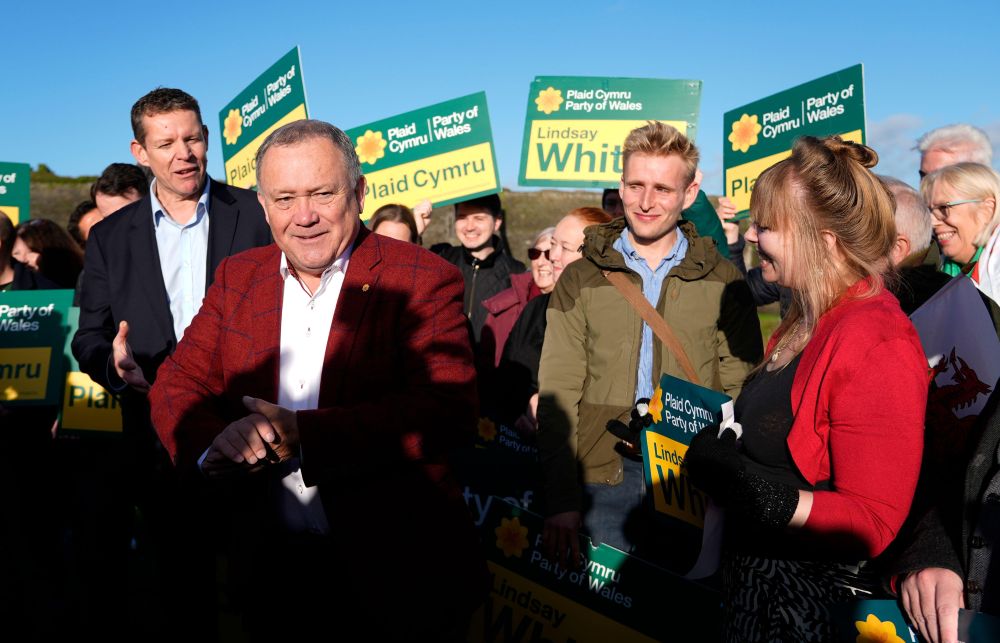
23 October - A highly anticipated by-election in Caerphilly, Wales, produced a statement victory for Plaid Cymru. Lindsay Whittle's victory was seen as a warning to Labour that it is not just Farage's Reform UK that it had to worry about in Wales.
25 October - Former Commons leader Lucy Powell defeated Education Secretary Bridget Phillipson in the Labour deputy leader contest. With Phillipson regarded as Downing Street's preferred choice, Powell's victory was interpreted as Labour members signalling to Starmer their happiness with the direction of his government.
November
11 November - An extraordinary briefing war exploded between unnamed No 10 sources and allies of Wes Streeting, with the former accusing the Health Secretary of plotting to challenge Starmer. The PM subsequently apologised to Streeting, and in a session of PMQs sought to assure his MPs that he "never authorised attacks on Cabinet members".
14 November - Independent MP Adnan Hussain became the first MP to quit 'Your Party', the new left-wing project set up by Corbyn and Sultana. He said the party's culture had "become dominated by persistent infighting, factional competition and a struggle for power, position and influence rather than a shared commitment to the common good".
20 November - Home Secretary Mahmood announced new restrictions on legal migration as part of an "earned settlement" model. They included doubling the time period for which someone has to be in the UK to claim indefinite leave to remain to ten years, with some being forced to wait 20 years.
21 November - Former leader of Reform in Wales, Nathan Gill, was jailed after admitting to taking pro-Russia bribes.
21 November - A second independent MP, Iqbal Mohammed, quit Your Party, plunging the party further into chaos.
26 November - The Office for Budget Responsibility (OBR) accidentally published a key document revealing the details of Chancellor Rachel Reeves' Budget around an hour before she was set to deliver it to the House of Commons. The independent fiscal watchdog's head, Richard Hughes, later resigned over the error.
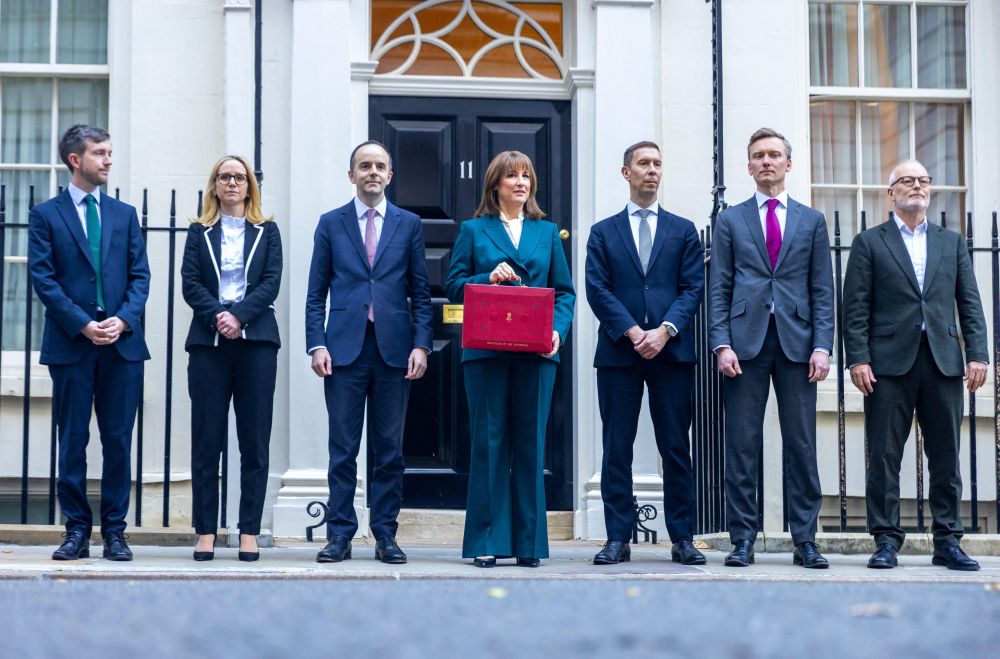
26 November - Reeves raised taxes worth £26bn and lifted the two-child benefit cap in her Budget.
29 November - Your Party held its first party conference in Liverpool, where members voted to make the party's name permanent. Members also voted to block MPs from leading the party until 2027, ruling out a leadership contest between Corbyn and Sultana. The conference was overshadowed by further infighting and prompted questions over the party's future.
December
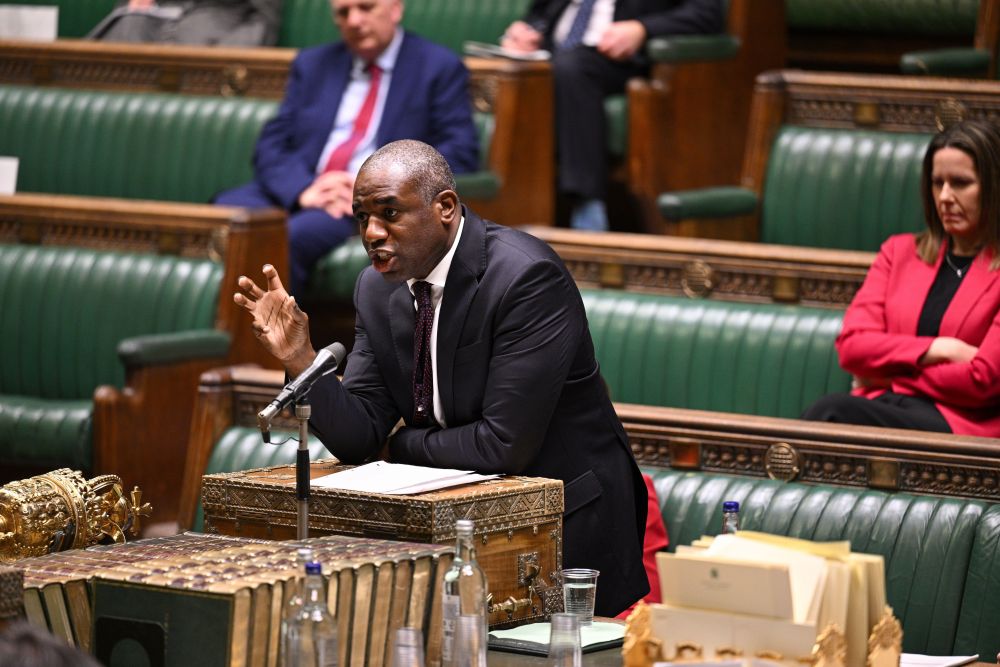 2 December - Lammy announced plans to scrap jury trials for crimes with sentences of less than three years to help tackle the court backlog.
8 December - Starmer joined TikTok, launching his account with a video of him and his wife, Victoria, at the Number 10 Christmas light switch-on.
17 December - In a blow to Starmer, left-wing candidate Andrea Egan was elected as the new leader of the UK's biggest trade union, Unison. Egan had previously been a vocal critic of the Starmer government and Chancellor Reeves, saying they had done little for working people. She has also pledged to review the union's historical affiliation with Labour.
23 December - Just two days before Christmas, the government announced a major climbdown on its plans to introduce inheritance tax for farmers after many months of campaigning by impacted by rural groups. Labour MPs in rural seats were also unhappy with the policy. Environment Secretary Emma Reynolds announced that the threshold at which estates would be affected by reforms would rise from £1m to £2.5m.
