From Ambition to Action: Dover makes the case for Britain's trading future
During this year’s party conference season, the Port of Dover brought politicians and senior leaders together to explore how Britain can unlock economic growth through smarter borders, stronger infrastructure, and closer trading relationships with Europe.
The Port of Dover handles £144 billion in trade every year, accounting for around a third of all goods traded between the UK and the European Union. But while Dover's geographical position makes it the nation’s natural gateway to Europe, geography alone will not guarantee its future success.
Instead, Britain's ambitions for economic growth must be matched by practical action to make trade faster, more efficient, and more competitive. That was the headline message emerging from all three major party conferences this autumn, as the Port of Dover hosted a series of Great British Trade Exchange events with senior political figures.
At the Labour Party Conference, Port of Dover CEO Doug Bannister was joined on stage by Keir Mather MP, Minister for Aviation, Maritime and Logistics. Together, they explored how the government's growth agenda could be supported by improving Britain's trading relationships and strengthening the infrastructure that underpins them.
For Mather, the recent change in Number 10 has propelled international trade even higher up the political agenda.
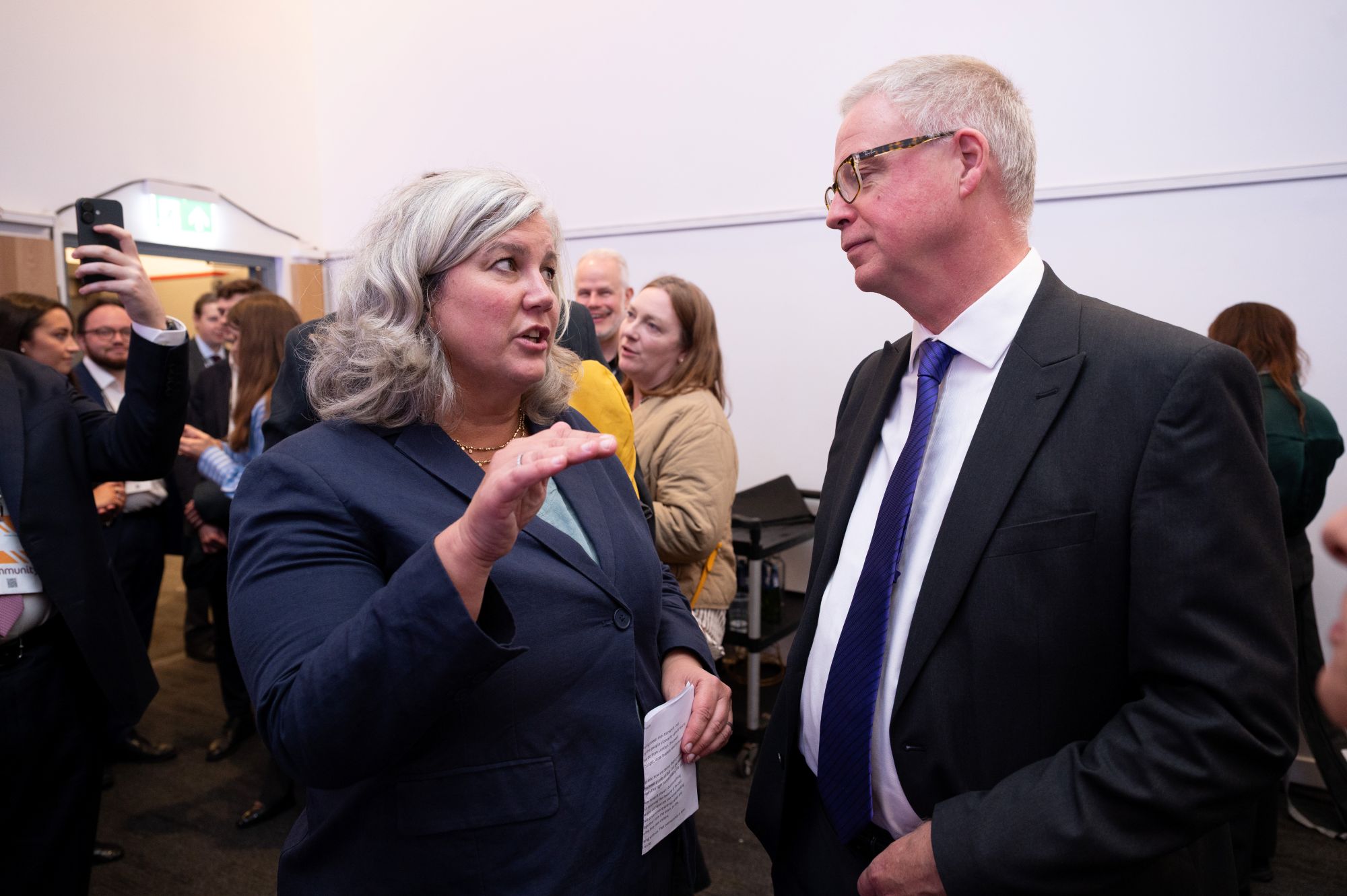 “Having a new government with a new purpose and a new Prime Minister who's focused on driving growth across the United Kingdom requires us to have more of an international focus than ever,” Mather told attendees. “And our port sector is critical in that work.”
The Minister also highlighted that the government is committed to deepening its relationship with the European Union, recognising that British industries and their European counterparts depend on one another for economic growth. However, for closer cooperation to become a reality, he said, there was the need to remove friction from the movement of goods across the nation’s borders. This is why the Government is negotiating a deal with the EU on the trade in food and drink (the SPS agreement), that will reduce red tape and could add up to £5.1bn a year to the UK economy in the long run.
That emphasis on the practical benefits of easier trade was also a theme at the Liberal Democrat conference, where Bannister was joined by the party's Europe spokesperson, Dr Al Pinkerton MP.
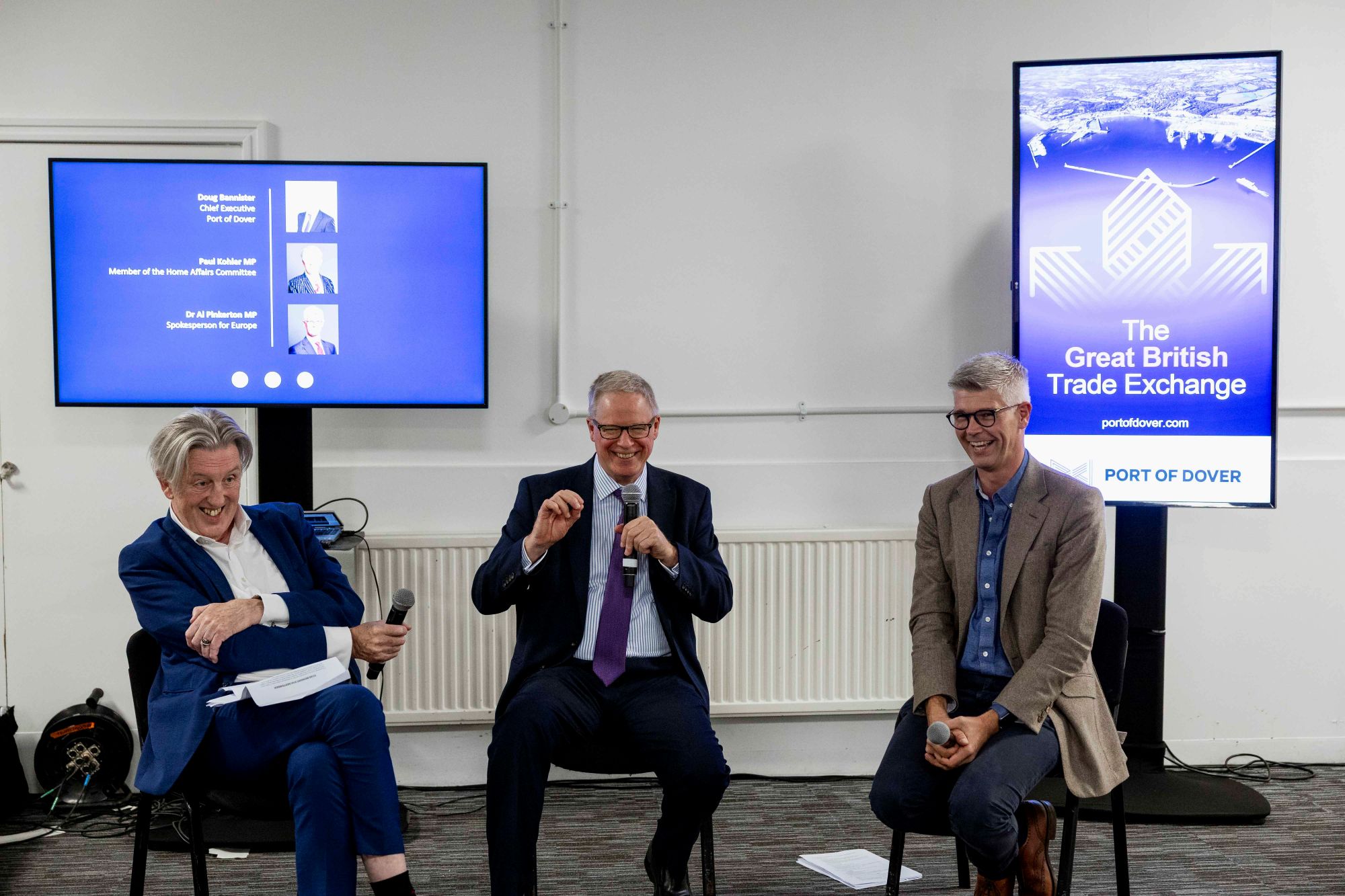 Pinkerton stressed that geography would always play a defining role in Britain's economic future. Whatever the political relationship with the EU, Europe remains the UK's largest trading partner, with Dover providing a vital link between the two. Reducing barriers to trade, he argued, was essential to rebuilding British exports and supporting economic growth, particularly for smaller businesses disproportionately affected by the administrative demands of cross-border trade.
The same challenge was recognised at the Conservative conference by Charlie Dewhirst MP, Shadow Minister for the Cabinet Office. Reflecting on his experience of post-Brexit trade arrangements, Dewhirst acknowledged the difficulties faced by businesses navigating additional paperwork and border requirements. While larger companies could generally find ways to manage these requirements, he similarly recognised that the burden on smaller businesses was often disproportionately high.
“There's so much more we can do to streamline it,” he said. “We can put it online, make it digital, make it easier.”
As well as helping small businesses, Bannister believes that emerging technology can also potentially reduce friction at the border. The Port is already exploring how trusted data, artificial intelligence and smarter processes can reduce unnecessary delays, and wants Dover to become a testing ground for digital border technologies that could eventually be deployed more widely.
“We're working right now with some really slick artificial intelligence tools,” Bannister told the Labour Conference. “We're developing technology. We can see where we can remove a lot of friction from the border for both goods and people.”
But technology alone will not unlock Dover's full potential. The conversations across the party conferences also highlighted the need to take a more joined-up approach to both the physical infrastructure connecting Britain's busiest gateway to the rest of the country and to the energy the port requires.
This is an issue which, attendees heard, affects the entire nation. Half of the freight passing through Dover is destined for locations north of London. That means, Bannister argued, that major infrastructure investments ought to be considered as part of a connected national system rather than as isolated projects.
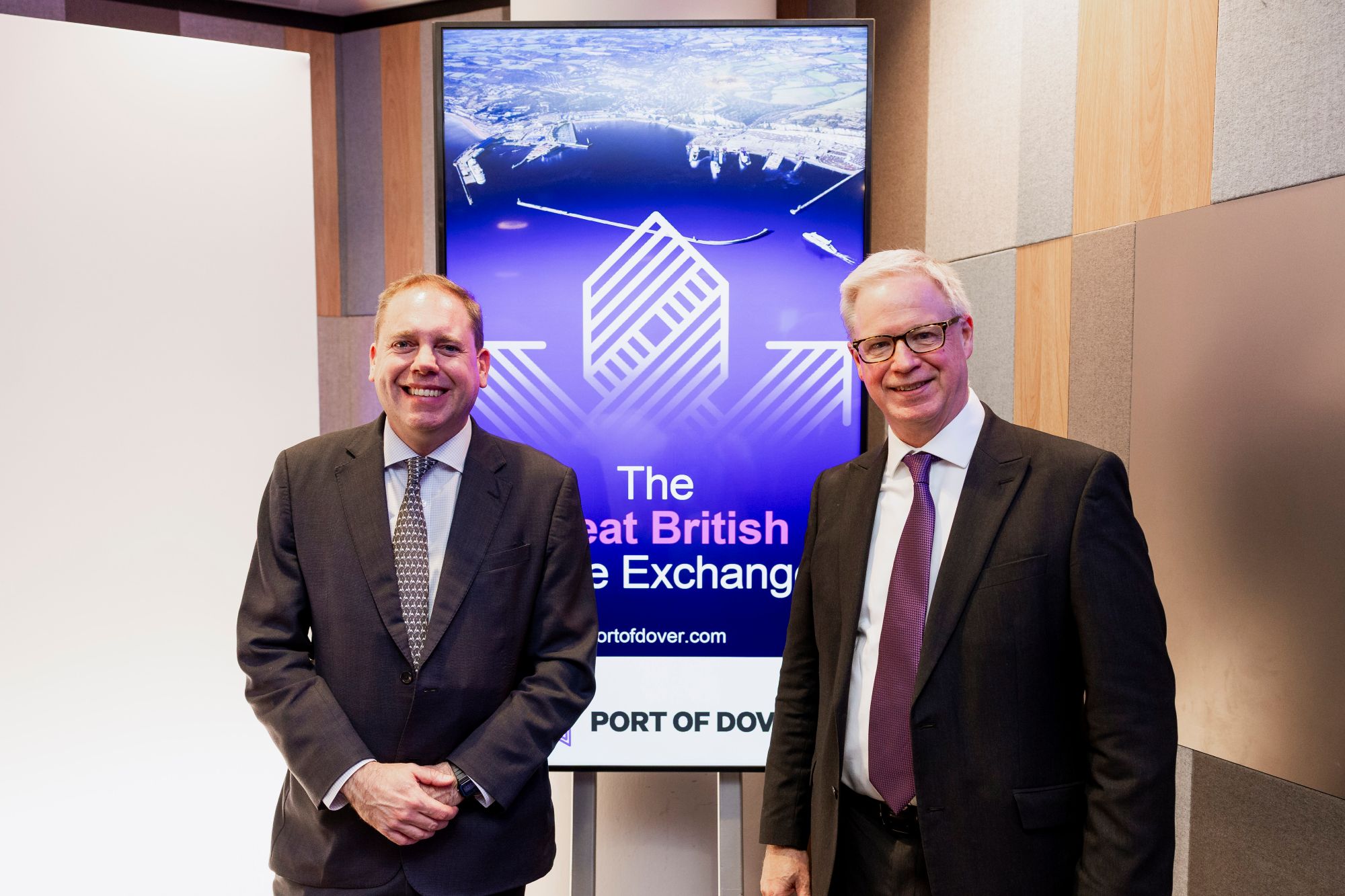 At the Conservative conference, Dewhirst also called for Dover's role in international trade to be reflected in decisions about the wider road network. At Labour, Mather agreed, arguing that transport infrastructure must be considered nationally even as greater powers are devolved to local and regional authorities.
“This is a national system, and it underpins our economic growth, our economic resilience and our national security,” the Minister said.
Alongside transport infrastructure, energy emerged as another critical area of discussion. At the Conservative event, Dewhirst focused on the high cost of energy and the need to increase generating capacity, while at Labour's conference Mather emphasised the importance of ensuring that decarbonisation and economic competitiveness went hand in hand.
That work is already well underway. Dover became the first UK port to achieve net zero carbon emissions from its own Scope 1 and 2 operations, reaching the milestone 25 years ahead of the government's national target. Its ambitions now extend to supporting the electrification of the Short Straits through its Green Shipping Corridor partnership with Calais and Dunkirk.
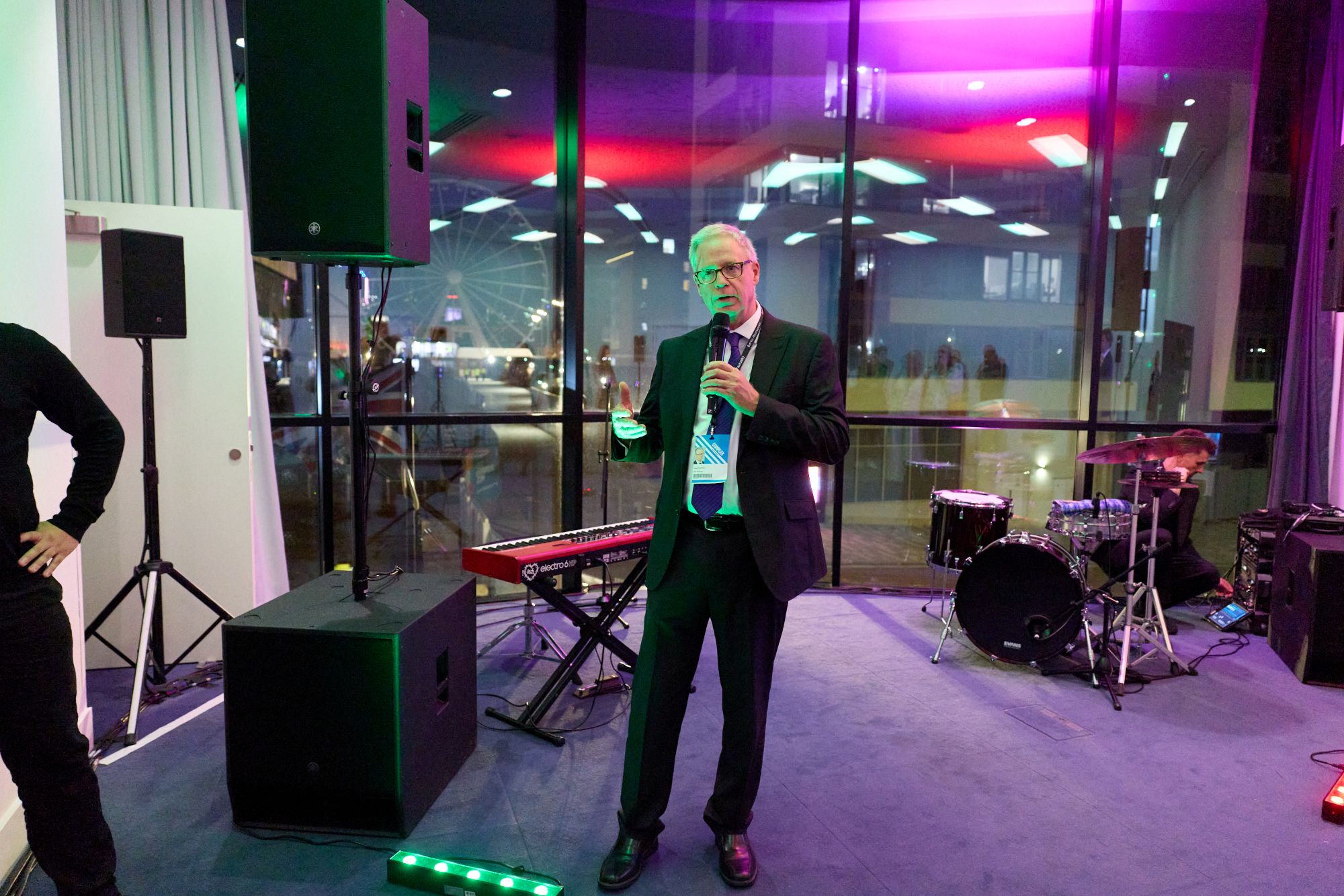 However, achieving that will require a major increase in available electricity and access to energy at internationally competitive prices. Bannister highlighted the scale of that challenge. Dover currently has just eight megawatts of grid capacity, while electrifying ferry operations and providing shore power for visiting vessels would require many times that amount.
Addressing those infrastructure challenges forms part of a single long-term ambition, set out in the Port’s 2050 Masterplan, to build the capacity, connectivity and resilience needed to support Britain's future trade.
For Britain's busiest gateway to Europe, the central message across all three party conferences was clear. Geography makes Dover a vital link between Britain and its largest trading partner, regardless of the political relationship between them. But turning that geographical advantage into economic growth requires continued investment in the technology, infrastructure and partnerships that allow trade to flourish.
