The earliest years may be the most important education policy of all
Universities are often seen as institutions that begin their work at 18. But if we are serious about social mobility, opportunity and national productivity, our responsibility begins much earlier – in the first five years of life.
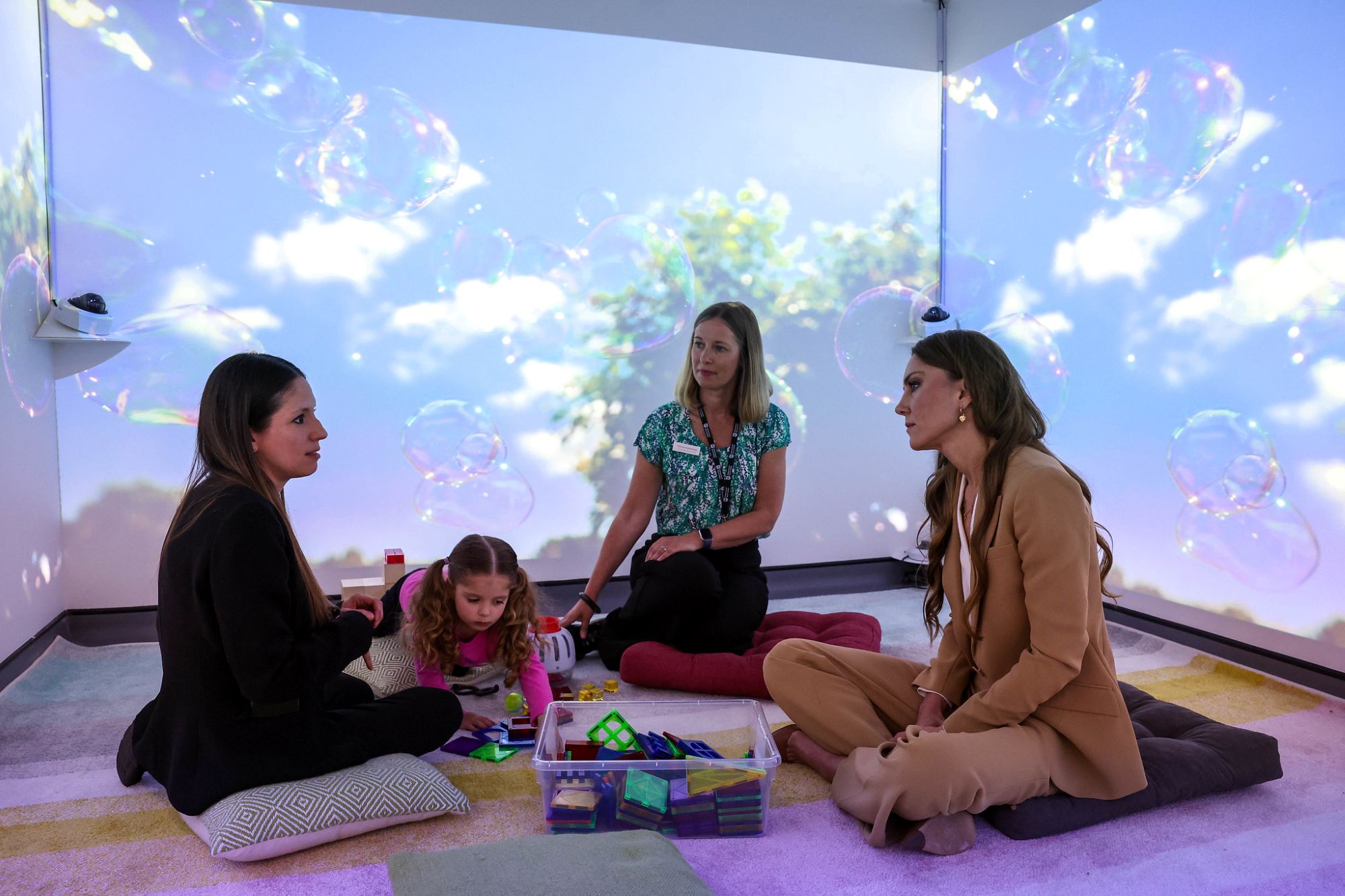 Last month, the University of East London (UEL) was honoured to welcome Her Royal Highness The Princess of Wales to our Stratford Health Campus for the launch of Foundations for Life: A Guide to Social and Emotional Development, developed by The Royal Foundation Centre for Early Childhood.
The occasion brought together university and further education leaders from across the UK around a question that should sit much higher on the national policy agenda: how do we ensure the professionals supporting children and families truly understand the science of early childhood development?
By the age of five, a child’s brain has reached around 90 per cent of its adult size, with more than a million neural connections forming every second during these formative years. The quality of children’s earliest relationships and environments shapes later educational attainment, health and wellbeing. The debate is no longer whether the early years matter, but whether we are prepared to act on what we already know.
That challenge extends directly to universities. Higher education has been viewed as operating downstream from childhood disadvantage – intervening after inequalities have already become entrenched. But universities occupy a unique position in connecting research professional training and community impact. We have both the expertise and the civic responsibility to help translate early years science into practical change.
At UEL’s Institute for the Science of Early Years and Youth, which The Princess of Wales visited during her time with us, researchers are examining how babies and caregivers interact in real-world settings, using ground-breaking, wearable technology to explore how factors such as stress, routine, green space and family interactions shape emotional security and early learning.
This understanding cannot remain confined to academic journals. It must influence the systems and professionals surrounding children every day – from health visitors and nursery practitioners to teachers and policymakers.
That is especially important in places like the London Borough of Newham, where many families face child poverty and housing insecurity. In communities facing structural disadvantage, the earliest years are often where inequalities first emerge – but also where interventions can have the greatest impact.
This is why partnerships matter. The collaboration between UEL and The Royal Foundation Centre for Early Childhood demonstrates what becomes possible when research, public leadership and professional education come together around a shared national mission.
As part of The Princess of Wales’s visit, Vice-Cha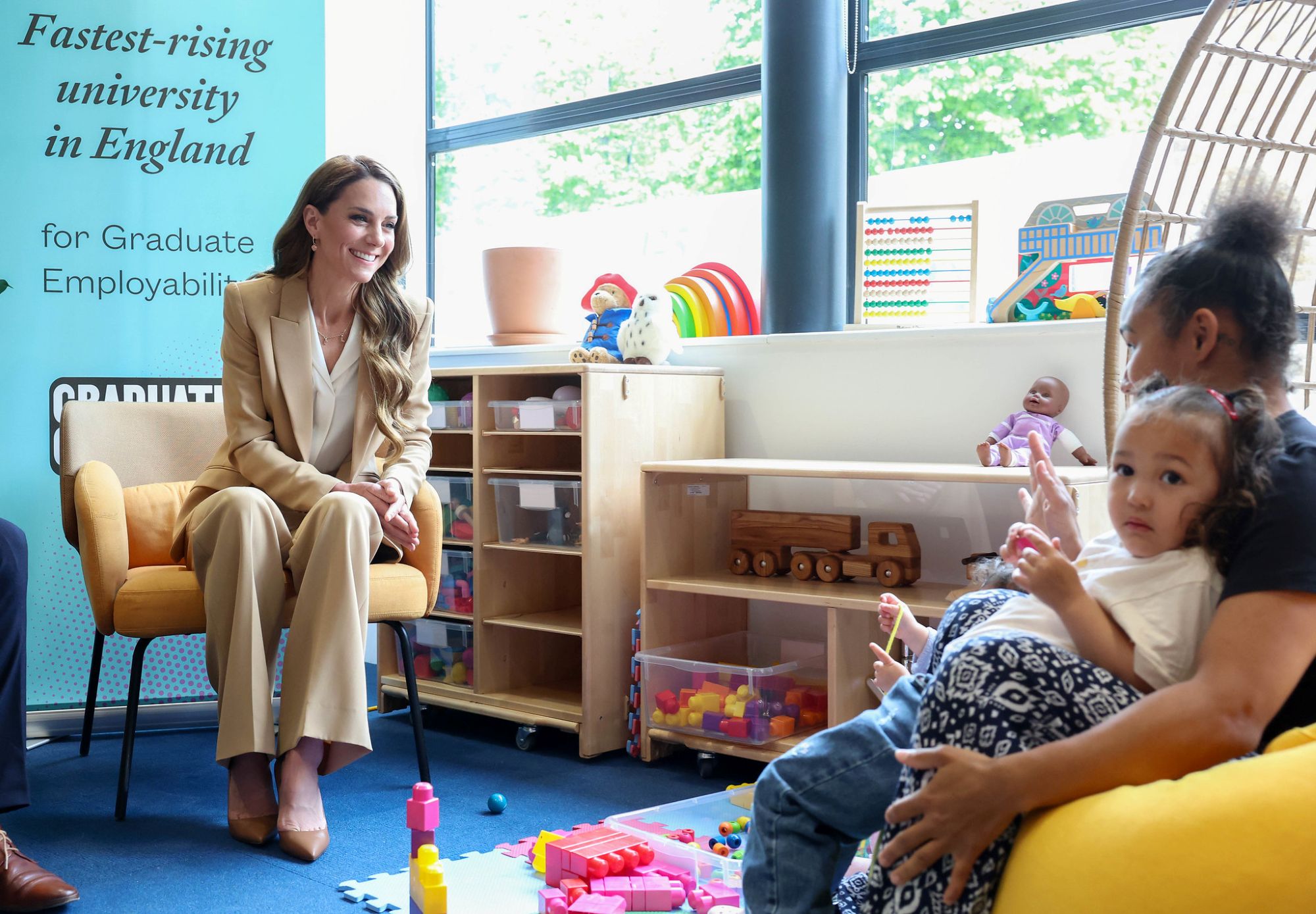 ncellors and Further Education leaders from across the country committed to embedding the science of social and emotional development more consistently within professional education and workforce training.
That commitment matters because the early years workforce remains too often fragmented and undervalued, despite its profound influence on children’s long-term outcomes. If we genuinely believe the first five years are foundational, then we must also treat the people working with young children and families as foundational too. That means strengthening training pathways, embedding evidence-based understanding across qualifications and professional development, and recognising early years practice as intellectually rigorous, socially vital work deserving far greater national attention and investment.
Government also has a critical role to play. Investing in evidence-based early years services is not simply social policy; it is economic policy, health policy and education policy combined. The earlier we support children and families, the greater our ability to strengthen resilience, reduce future pressures on public services, close attainment gaps and unlock human potential.
Universities have always been engines of knowledge and opportunity. Increasingly, institutions like UEL are recognising that this responsibility begins not at university application, but in the earliest relationships and environments that shape a child’s life chances from the very start. When we invest in the earliest years, we do more than improve childhood outcomes. We build healthier communities, a stronger economy and a fairer society for generations to come.

We cannot solve the child mental health crisis one service at a time
 Catherine Roche
Chief Executive
Place2Be
University of East London honorary alum
As Chief Executive of a children’s mental health charity, I see every day both the scale of the challenge facing children and young people, and the transformative impact that early support can have when the right systems and partnerships are in place.
One in five children and young people now has a probable mental health condition, and half of all lifetime mental health conditions emerge by age 14. These are children in classrooms across the country, often struggling silently.
Too often, support arrives only once problems have escalated. But if we are serious about addressing today’s challenges and improving outcomes for the next generation, we must focus far earlier, strengthening children’s social and emotional development from the earliest years of life and building systems that intervene before crisis point.
Schools are one of the most effective places to do this. For more than 30 years, Place2Be has delivered mental health support in schools, helping children build social and emotional skills while providing early intervention where needed. Our evidence shows the difference this can make: 77 per cent of primary-aged children and 89 per cent of young people show improved mental health following personalised support. What began in a small number of inner London schools now reaches more than 650 schools and around 340,000 children annually.
This experience demonstrates something important: children’s mental health cannot be addressed by any one service or profession acting alone. It requires systems leadership – bringing together education, health, universities, charities and policymakers around a shared understanding of children’s wellbeing.
Partnership really matters, especially when it comes to children.
Our Level 7 Postgraduate Diploma in Counselling Children in Schools, awarded by UEL and accredited by the British Association for Counselling and Psychotherapy, reflects this approach by combining academic expertise with frontline practice.
Equally important are partnerships that help test and scale new approaches. Through support from The Royal Foundation Centre for Early Childhood, Place2Be is piloting an innovative nursery-based model focused on strengthening young children’s social and emotional development and supporting the trusted adults around them. It reflects growing recognition that prevention and emotionally supportive environments must sit at the heart of children’s mental health.
Meeting this challenge will require a far more joined-up approach across education, health and early years systems – alongside sustained investment in children’s mental health services and the workforce supporting them. If we want children better equipped to thrive, we must build systems equally equipped to support them – earlier, more consistently and together.