Reform Councils Say "Huge Headwinds" Are Thwarting Plans To Lower Tax
The idea that Reform was elected to reduce taxes has been labelled as “a bit of a misnomer” (Alamy)
4 min read
Reform UK-run local authorities are facing “huge headwinds”, one of the party’s cost-saving chiefs has admitted, as Nigel Farage’s party faces criticism for planned council tax rises.
John Lawson, the Reform councillor leading the party's efficiency drive in Derbyshire, told PoliticsHome the idea that the party was elected at last year's local elections to reduce taxes was “a bit of a misnomer”.
He insisted, however, that the party's 'DOGE' project, inspired by X owner Elon Musk's bid to cut waste in the US government, was “definitely” not dead, despite several Reform councils planning to raise taxes in response to financial pressures.
Lawson’s remarks come after Derbyshire County Council became the latest Reform-run local authority to announce it was considering imposing the maximum council tax increase allowed this year without a referendum.
At the time of writing, six councils run by Farage's party had proposed potential council tax rises, revealed through the publication of draft budgets ahead of final decisions set to be made later this winter.
Kent County Council, described by Reform as its "shop window" local authority, announced on Thursday a proposed 4 per cent rise.
Derbyshire County Council and West Northamptonshire Council are both planning for a 5 per cent rise in council tax this year.
Worcestershire County Council has applied to the government for permission to potentially increase council tax by up to 10 per cent.
Lincolnshire is also intending to consult on the 5 per cent figure, and Staffordshire County Council plans to raise the tax by 4 per cent.
Additionally, The Guardian reported last year that Reform leaders in Warwickshire had been warned by executives that raising council tax by anything less than 5 per cent would put its financial viability at risk.
This has led Reform's rivals to accuse the party of misleading the public about its council tax plans ahead of the May 2025 local elections.
A Reform source admitted that the party's struggle to lower taxes at the council level should be seen as "a learning curve".
They added it would be important for candidates to think about messaging in the future and "overpromising and underdelivering".
"This year, candidates will be much more aware of the need not to overpromise," they said.
Ahead of last year's May elections, in which Reform won a majority in 10 councils across the country, Lee Anderson, Reform MP and the party whip, told PoliticsHome the "first thing" that Reform would do if elected to run councils was bring in a Musk-style department of government efficiency (DOGE).
However, victorious Reform councillors inherited stretched local government budgets, with PoliticsHome analysis in June showing that councils won by Farage’s party spent up to 78 per cent of their service spending on social care and homelessness in 2024.
The Institute for Government think tank warned at the time that Reform councillors would “find themselves confronted with the same brutal trade-offs that other local authorities have been dealing with” for more than a decade.
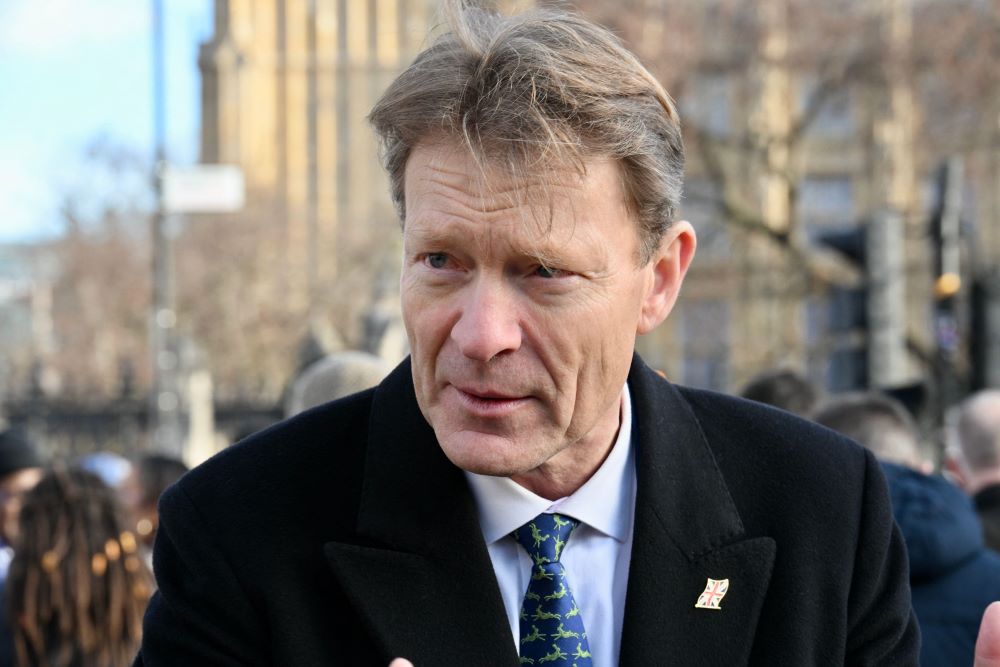 Reform's deputy leader Richard Tice has taken over the party's DOGE operation (Alamy)
Speaking about the pressures facing Reform-run councils, Derbyshire's Lawson told PoliticsHome: "This idea that Reform were elected to reduce taxes was a bit of a misnomer.
"We have been busy working on making savings, but there are also huge headwinds."
The Reform councillor added: "It sounds like we have been blaming everyone else, but that is the predicament we are in. We have got a lot of head winds in terms of additional costs put on us by the Labour government."
He blamed Chancellor Rachel Reeves' decision to raise employers' National Insurance, as well as the recent rebalancing of local government funding.
He was echoed by Andrew Husband, leader of Reform-run Durham County Council, who said Reform was still "the party of low tax".
"We made it very clear before, during and after elections that councils were broken and Reform would fix it".
"It is sadly pretty obvious that the more money that is wasted, whether in local or central government, then the more tax we will all have to pay," he told PoliticsHome.
Husband has not yet confirmed what decisions will be made over Durham's council tax in 2026, but has previously warned that if additional funding is not provided by the government, "then we will need to make some pretty stark choices between council tax increases and cuts to vital local services — services our residents rely on".
