Bishop of Chelmsford: The Halo Of Bullet Holes On My Father's Pillowcase
4 min read
Guli Francis-Dehqani, the Bishop of Chelmsford, pays tribute to her parents’ remarkable bravery as Christians in Iran and how they found themselves, at last, no longer strangers but ‘fellow citizens with the saints’
I was born in Iran. My father was from a village called Taft, and had the opportunity, as a child, to be educated by British missionaries some 200 miles away in Isfahan. During term-time he would go away to school, and in the holidays would return to his Muslim family. Eventually at 18, he chose to be baptised as a Christian, but always retained a profound respect for Islam.
By the time I was born, he was bishop of the small Anglican church in Iran. He’d married my mother, the daughter of British missionaries, herself born and raised in Iran.
Then the revolution came. My father was very much in favour of change, and voted for the Islamic Republic on the proviso that it kept its promises of freedom and respect for all.
But very quickly our lives began to change.
The bishop’s house where we lived was ransacked, church institutions were confiscated or closed and financial assets frozen. My father was briefly imprisoned and then there was an attempt on his life. In the early hours of the morning in late October 1979, two gunmen broke into the house, clambered over the walls, and found their way to my parents’ bedroom. They were asleep in bed so they called him by his name and fired five bullets. Extraordinarily, they missed. My mother was shot. She threw herself over him…It was just instinctive for her to protect him. So she was injured, but he survived.
His pillowcase, with bullet holes in it, is an extraordinary thing. I don’t know why my mother brought it to the UK, but she did and I’ve now inherited it.
You can see what looks like a halo of bullet holes. You can see where my father’s head would have been and the bullet holes around it.
While my father was out of the country for meetings, the situation got a lot worse in Iran.
My father was advised not to return for the time being.
And then my brother was murdered. He was 24. No one was ever brought to justice. We’ve always understood that he was a scapegoat for our father, that really they had no interest in him. Possibly they thought my father would come back for the funeral; possibly it was an act of revenge. But at that point, the rest of us left to be with my father, after we’d buried my brother, assuming we’d be back home within a few months.
You can see where my father’s head would have been and the bullet holes around it
My father carried on as bishop in Iran in exile for about 10 years until his retirement. He very quickly realised he was going to have to practise what he’d preached for many years about reconciliation, about forgiveness, about all those things that trip off the tongue but when you have to live them are a different matter.
I, without realising it, observed how my parents chose to lean-in towards the way of forgiveness and looking for blessings rather than allowing themselves to become bitter. They were extraordinary. The pain never left. And yes, my father will have always had the feeling that if he’d gone back his son wouldn’t have been killed. But they never allowed the pain to become what defined them while they continued always in their calls for justice.
In our first year in England we were offered a vacant flat in Ridley Hall, a theological college in Cambridge.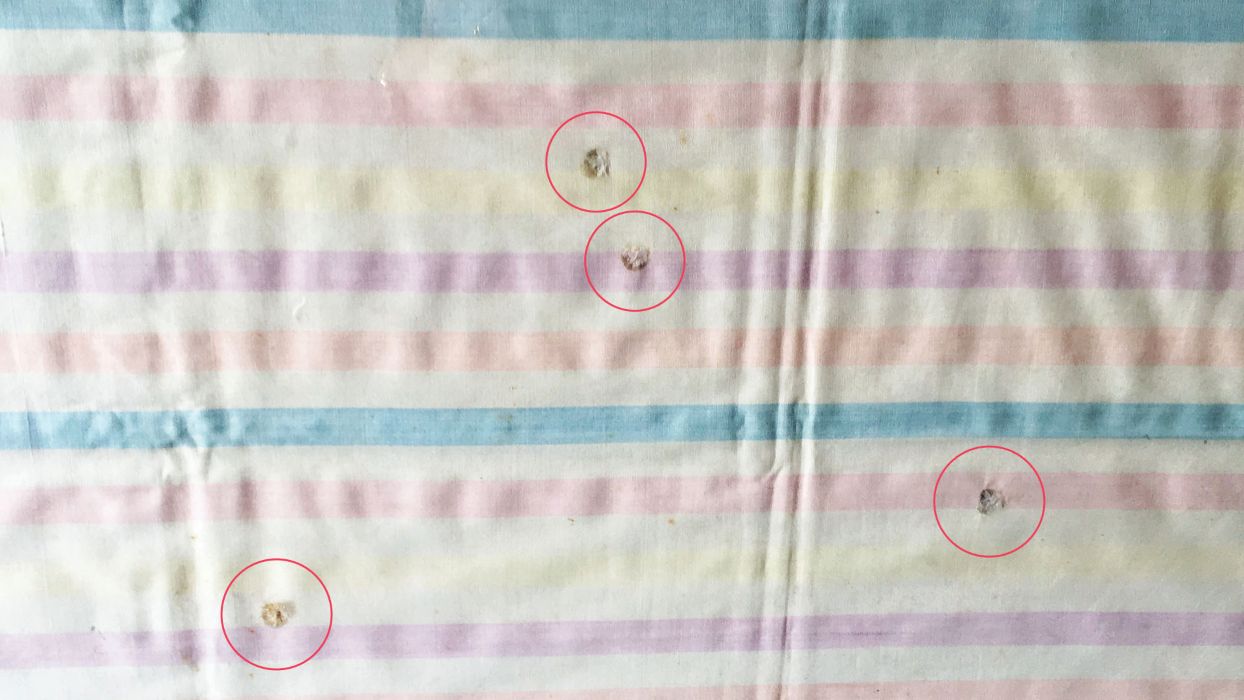
I finished school and went to university and then went to work for BBC, and eventually I got married to a man from Northern Ireland. He was ordained a few years before me.
Now we are seeing Iran double down on those courageous people who came out onto the streets in December and January and again when President Donald Trump encouraged them to do so with the most recent war.
What we need is an effective resistance movement around which people can coalesce, which will eventually bring freedom.
Both my parents are buried in Winchester Cathedral and the words on my father’s grave are from St Paul’s letter to the Ephesians, “No longer stranger or sojourner but fellow citizen with the saints.” The verse speaks to his lifelong journey of wanting to find a place of belonging.
I recognise there are differences of opinion around whether bishops should be in the House of Lords.
My colleagues on the Lords Spiritual bench work incredibly hard, and I still find it extraordinary that somebody like me is in this House.
The Right Reverend Francis-Dehqani was interviewed by the Lord Speaker, Lord Forsyth of Drumlean, and is the latest guest on the Lord Speaker’s Corner Podcast, available wherever you get your podcasts
