Investing in the nation's future
As the UK looks to secure cheaper energy, better jobs and resilient communities,
The Crown Estate explains why patient, long-term investment, not short-term
returns, is central to its model, and what its plans for billions of pounds in further
investment mean for communities across the country
The UK knows what it needs: secure, more affordable, cleaner energy. Good jobs that last. Places where businesses can grow and communities can withstand change.
Parliamentarians will have heard the concerns that sit behind these issues: a household managing energy costs, a young person looking for a route into a growing industry, or a local firm seeking work in a new supply chain. A key element of delivering on these priorities is patient capital – institutions prepared to commit to decades. This is where The Crown Estate is playing a distinctive role.
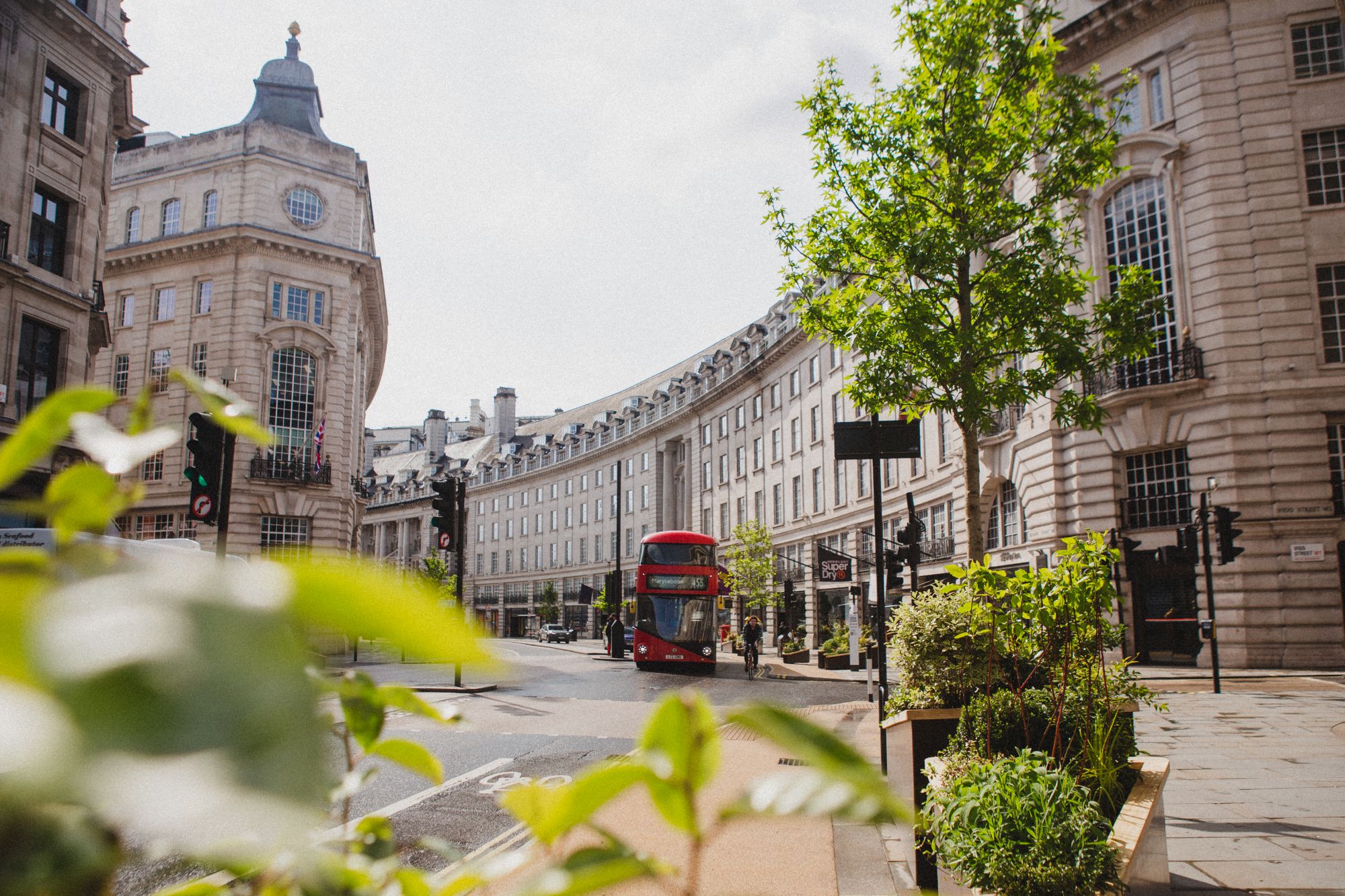
Few organisations can claim a portfolio spanning an ancient oak tree, Regent Street and the foreshore and seabed around England, Wales and Northern Ireland. Fewer still could say that every pound of profit from that portfolio goes back to the nation. This is what makes The Crown Estate unique. More importantly, that means the assets we manage are not abstract national holdings, but working parts of constituencies across the country, from coastal towns to city centres to rural communities.
We’re not a typical business. Our profit goes to one of two places: to the Treasury, or back into the work we do. Last year, £487m was returned to the Treasury for the benefit of public spending, bringing the total contribution to just over £5bn across the past 10 years.
It is precisely because we’ve spent decades managing this portfolio for the long term that we’re now able to do something more ambitious. New powers granted by parliament last year mean we can invest, and in time borrow, more freely than before. We plan to deploy £5bn over the next decade. This is the natural next chapter of a model created by parliament and built on patience. Every project it funds will be judged by the same standard that has always guided this organisation: does it strengthen the country’s long-term position, not just this year’s balance sheet.
That patience is easiest to see in the industries we’re helping build from the ground up. Off the coast of Wales and the South West, the Celtic Sea’s floating offshore wind opportunity will take years to mature – which is exactly why we’re investing now, through programmes like Fit for Offshore Renewables, to help local firms in South Wales build the capability to win contracts before the market arrives. In Northern Ireland, we’re working with the Department for the Economy to support the future development of offshore wind and build energy resilience.
Our role is different: not to extract short-term value from these assets, but to build long-term value into them, so the return keeps compounding for the country, decade after decade
This long view also shapes what we do on land. Regent Street is the clearest proof of what that stewardship can achieve: since it was completed 200 years ago, sustained ownership has allowed it to be re-built and re-invented, keeping it relevant to each new generation of shoppers, workers and visitors. The same approach is now shaping newer projects. At East Hemel in Hertfordshire, plans for up to 4,000 homes are being developed alongside employment space, schools and parkland. Our commitment of up to £1.5bn over 15 years to science and innovation sectors across the country follows the same logic in a different form: our site at Newbury Road in Oxfordshire could eventually support 30,000 jobs, but only because the investment is measured in decades rather than in a single financial year.
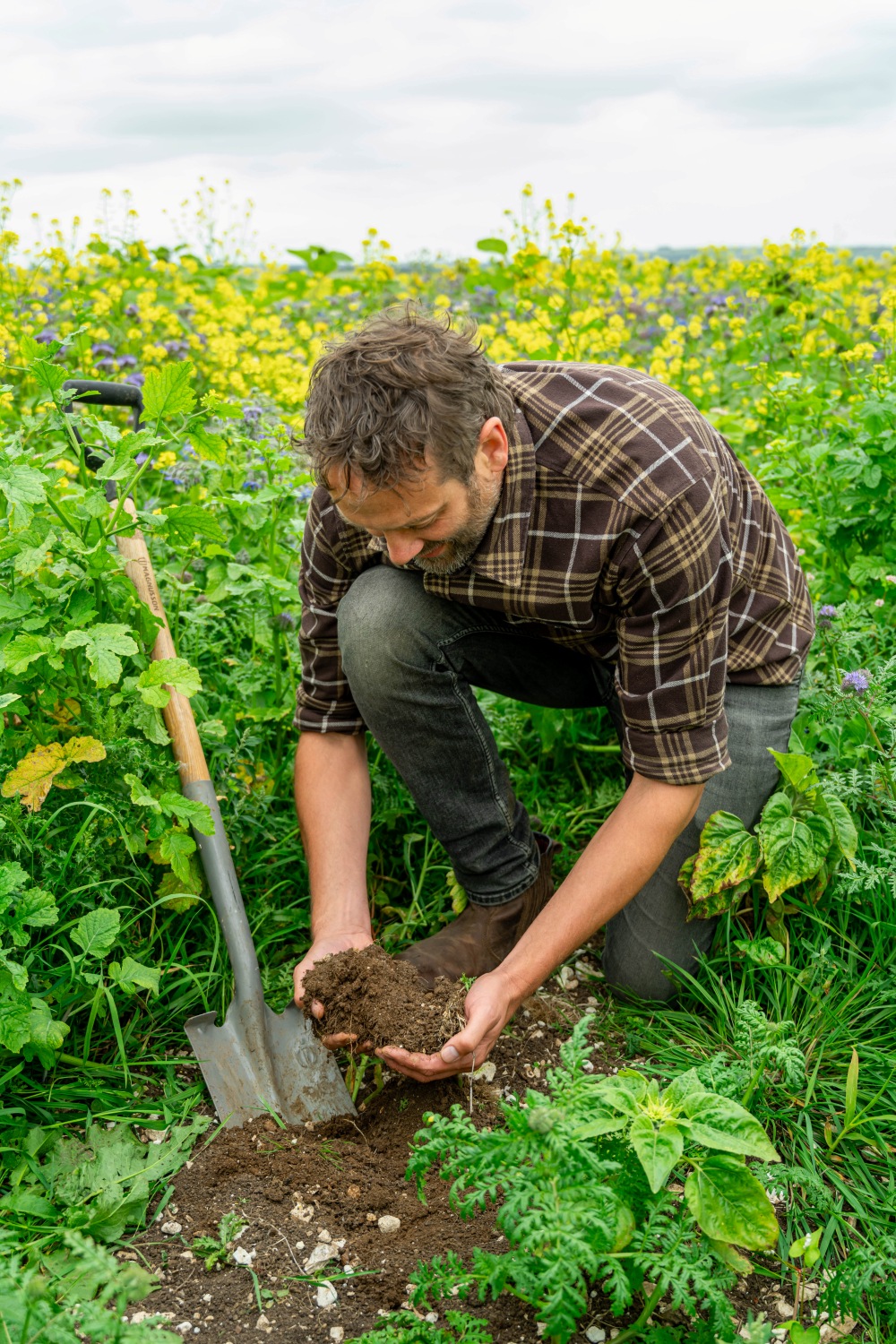
It’s a discipline that extends to the land itself. Since 2022, our work with farmers and conservation groups has restored more than 300km of hedgerows and planted over 450 hectares of new woodland, work that rarely makes headlines, but which only delivers results because it’s sustained year after year.
None of this makes The Crown Estate a substitute for government, local authorities or the elected representatives who serve communities. Decisions must stay grounded in local plans, consultation and accountability.
Our role is different: not to extract short-term value from these assets, but to build long-term value into them – more jobs, more skills, secure energy, better places to live – so the return keeps compounding for the country, decade after decade.
That’s the practical proposition: a return for public spending today, and investment in the industries, places and natural systems communities will depend on tomorrow.
Click here to find out more about what makes The Crown Estate unique
References:
- https://www.thecrownestate.co.uk/about-us/annual-report
- https://assets.publishing.service.gov.uk/media/6a3d467433bc5beefd3c4b2b/The_Crown_Estate_Integrated_Annual_Report_and_Accounts_2025_to_2026.pdf
- https://www.thecrownestate.co.uk/news/the-crown-estate-reports-strong-results
- https://www.thecrownestate.co.uk/news/New-powers-granted-to-modernise-The-Crown-Estate-for-benefit-of-the-UK
- https://www.thecrownestate.co.uk/our-business/marine/round-5
- https://www.thecrownestate.co.uk/news/next-milestone-achieved-for-round-5-in-the-celtic-sea
- https://www.thecrownestate.co.uk/news/the-crown-estate-submits-plans-for-major-east-hemel-development
- https://www.easthemel.co.uk
- https://www.thecrownestate.co.uk/news/the-crown-estate-acquires-oxfordshire-site
- https://www.thecrownestate.co.uk/news/20m-Rural-Environment-Fund-available-to-Crown-Estate-farmers-to-support-new-biodiversity-targets
