Political Tetris: How Fragmentation Is Forcing Parties Into Complex Coalition-Building
13 min read
May’s local elections meant more councils than ever ruled by more than one party. Zoe Crowther investigates what might be a sign of things to come for Westminster. Illustration by Tracy Worrall
In the election for Birmingham City Council, no party came close to the 51 seats needed for a majority. Reform UK ended up with 23 seats, while the Greens have 19, Labour 17, the Conservatives 16, the Liberal Democrats 12, and a group of independents under the umbrella of ‘Better Birmingham’ has seven councillors. And yet, while Reform emerged as the largest party on the council, every other party ruled out working with them – leaving them effectively unable to govern. Labour, meanwhile, decided not to seek to form an administration, with the group leader ruling out joining a governing coalition.
That left the Liberal Democrats, Greens and Better Birmingham to strike a deal, forming a coalition-style administration made up of 38 councillors – but still short of a majority. Lib Dem councillor Roger Harmer has become council leader, but the Greens will take over the leadership in 2028 under a rotation agreement. All three groups will be represented on the council’s cabinet.
Birmingham is the prime example of a phenomenon being seen across the country, with 23 councils of the 136 up for election this year pushed into no overall political control. Where rainbow coalitions have emerged to lead these councils, the trend is clear: rather than share power with Reform, almost every other political group would prefer to co-operate with one another.
You can broadly split the multi-party arrangements on English councils into different categories: the ‘anyone but Reform’ coalitions; the ‘anyone but Labour’ coalitions; and the ‘necessary to govern’ coalitions, where parties have been forced to accept the support of other parties or independents to govern effectively.
With the national polling looking as fractured as it does on a local level, political parties are scratching their heads over what the implications of these forms of local co-operation might have for the political picture in Westminster.
According to Green and Lib Dem councillors, the directives coming from their national parties on striking arrangements with other parties have been relaxed. Sources in both camps describe themselves as “bottom-up” and “democratic”, meaning local party groups have widely been allowed to organise their own negotiations without input from the national parties. And both the Greens and Lib Dems see blocking Reform from local power as a key priority.
In Newcastle, the Labour vote collapsed but the Liberal Democrats and Greens formed a confidence-and-supply arrangement that locked out Reform, despite it being the second-largest party. Lib Dem council leader Colin Ferguson and Green councillor Nick Hartley claim the reaction from Newcastle residents to the arrangement has been “overwhelmingly positive”. They insist that people want more “grown-up politics” that crosses political divides.
Hartley says they want the arrangement to show a way of “doing things differently” and suggests there could be “lessons learned for parliamentarians” going into a future general election.
The Greens appear more open to multi-party arrangements than any of the other parties. Green MP Siân Berry says increasing numbers of councils are demonstrating that parties can work together when no one commands a majority. She tells The House she plans to keep in contact with Green leaders who have made power-sharing arrangements on councils to learn from their experiences working with other parties.
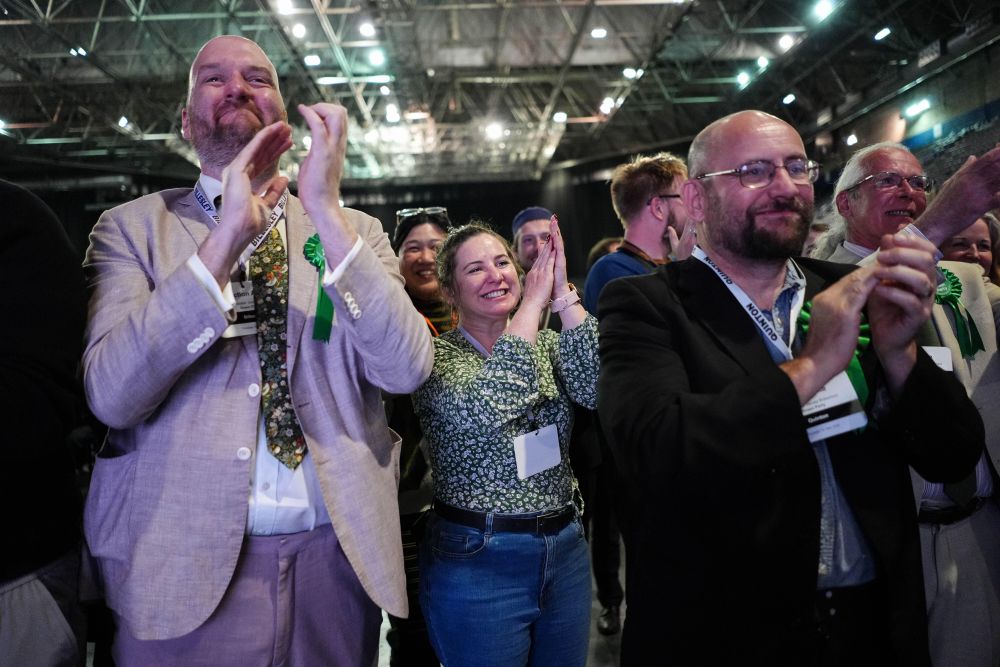
Berry rejects the idea that such arrangements are “back-room deals”. Still, she admits the party would have to consider the extent to which Green voters would tolerate further arrangements between the Greens and other parties, including Labour.
The Local Government Association Green Group has just been established, which plans to put together a set of principles to guide Green-led councils around the country to ensure national cohesion on policy and negotiations with other parties.
Both the Greens and Lib Dems want to see a voting system with proportional representation introduced before the next general election, with Berry saying that under first-past-the-post, the “risk of Reform getting a majority on a tiny percentage of the vote at Westminster is very, very high”. She adds: “And then there is no possible way that making arrangements between the other parties can help us.”
The Lib Dems have benefited from the fragmented two-party system in local elections. The Lib Dem identity is partly built around being anti-Labour in some areas and anti-Tory in others. This dual identity plays out in the sort of multi-party deals that it does across the country.
The flexibility helps explain why the Lib Dems are leading councils where they do not have the most seats. In the case of Birmingham, where a Lib Dem councillor is leading the council, the party is in fact the fifth-largest group.
And yet deputy Lib Dem leader Daisy Cooper tells The House that these local-level coalitions and arrangements cannot be considered as a predictor of how a national coalition in Westminster might take place.
“It’s a fundamental misunderstanding of how these things work,” she says. “Different political parties have been in different coalitions in local government for decades, and it’s the nature of local politics, because local authorities are less partisan because they have fewer powers… That’s really quite different from the cut and thrust of what happens in Westminster.”
But she did admit that “people are desperate to try and stop Reform”.
“But I genuinely think that if you look back in just recent years, and historically, voters hate it when they think there is a stitch-up,” Cooper says.
This is a sign of things to come
Asked whether the Lib Dems have to start being more transparent about a potential future coalition, Cooper says: “It’s going to be incumbent on political parties to be really transparent with the public about what they themselves are offering and about what their priorities are.
“But the idea that we should be wasting our time and our energy right now, you know, indulging in that kind of naval gazing about who we might work with and what deals we might do, and what the red lines might be… We’ve got no idea where the country is going to be in six months, let alone in another three years.”
Increasingly, councils are also seeing the rise of organised independent groups, community alliances, resident associations, and former Labour and Conservative councillors who left their parties or were suspended – all sitting under the independent banner.
In many cases, they have slotted in to provide the numbers for multi-party arrangements headed up by other parties. The seven-member Better Birmingham group, which has formed part of the Birmingham coalition, includes councillors such as Harris Khaliq and Nosheen Khalid, who were backed by Jeremy Corbyn’s Your Party.
In other areas, smaller parties have joined together to block Labour from staying in power, for example, in the London boroughs of Southwark and Lambeth.
In Southwark, the Greens and Lib Dems joined together to form an administration, with Green Party councillor James McAsh (formerly the council’s Labour leader), now leader of the council, with Lib Dem councillor Victor Chamberlain serving as deputy.
They claim Southwark Labour was uncooperative in the run-up to the elections when they were approached to discuss the possibility of making an arrangement.
Both McAsh and Chamberlain tell The House they want to push their national parties to continue to support these arrangements happening more often, and be more transparent about preparing for a national coalition.
“This is a sign of things to come,” Chamberlain says. “We are very firmly in multi-party politics in London. This is something that we can hopefully push our national parties to be more aware of and more inclusive… It’s in the interest of residents that parties should work together.”
For Labour and the Conservatives, approaching multi-party arrangements, even on a council level, has proven more complicated. Both the Tories and Labour are very wary of any perception of backroom deal-making, and see formal arrangements with the smaller parties as potentially detrimental if the mainstream parties begin to be seen as the minor players.
Labour blocked its councillors in Brent from making a deal with the Green Party, and the Labour minority administration has therefore had to make a deal with the Conservatives in order to stay in power.
However, elsewhere, Labour councillors have been permitted to enter rainbow coalitions, like in West Sussex, where the Liberal Democrats, the Green Party, Labour and an independent councillor agreed a partnership to run the council.
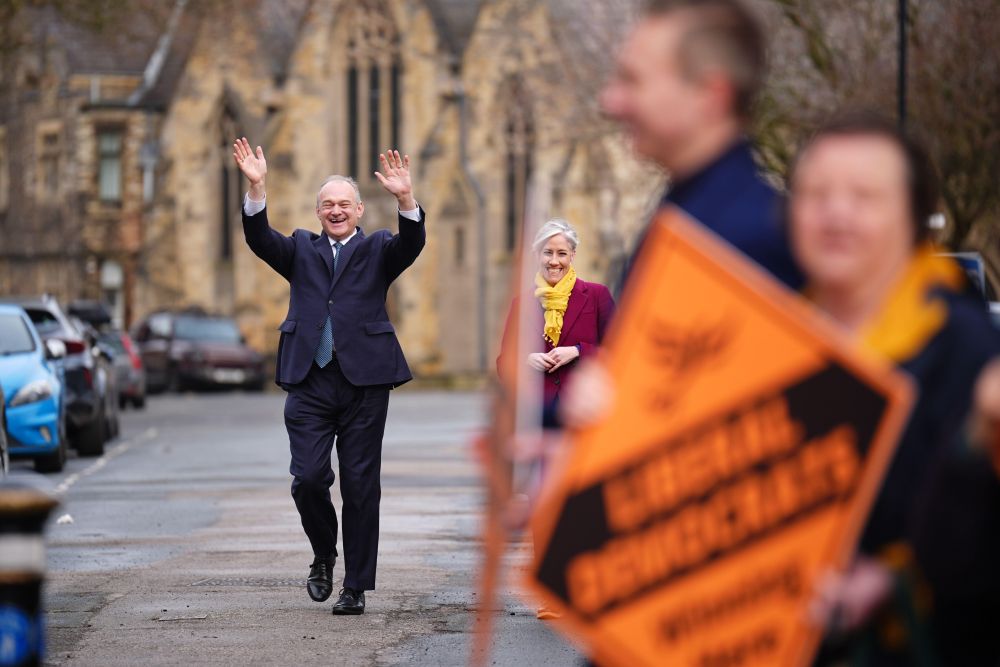
The House understands, from speaking to multiple Labour sources, that the Labour leadership is generally hostile to the idea of any pacts or deals with other parties, not least because they believe the majority of Labour MPs would also be hostile to the idea. A senior source who worked for Starmer in opposition, confirms to The House there was an informal, unspoken accommodation with the Lib Dems in some areas ahead of the 2024 general election, but only where the Lib Dems were not directly contesting Labour for seats.
The political landscape looks very different today, with the Greens, independents, and sometimes the Lib Dems fighting Labour in areas they considered ‘safe’ just two years ago.
For Labour, advocating for multi-party deals to stop Reform makes little electoral sense when the other parties are often trying to win seats from the Labour Party. As Prime Minister Keir Starmer set out at Labour conference in the autumn, the Labour strategy will continue to set out the next general election as a Labour vs Reform fight.
For the Conservatives, their red lines have started to become clear. CCHQ has accepted a broad range of multi-party deals between Tory councillors and other parties, including Reform and Labour. According to multiple Tory sources, the one party that CCHQ will not accept deals with under any circumstances is the Green Party.
In Worcestershire, this caused tensions between the national party and its local councillors. Although Worcestershire County Council was not up for election this year, the council has been embroiled in a row over the emergence of a new four-way arrangement involving Conservatives, Greens, Liberal Democrats and independents to keep Reform out of power, after some Reform councillors quit and left their group short of a majority on the council.
The Conservative Party, with direct intervention by leader Kemi Badenoch, suspended the Tory group leader Adam Kent for attempting to form this arrangement, with Badenoch’s team arguing they had made clear that a deal of this kind was not authorised. Kent is now threatening legal action against the party.
The remaining Conservative councillors have withdrawn from the power-sharing arrangement, though The House understands they did so reluctantly. Many local Conservatives felt the deal was justified because Reform’s administration had become unstable and difficult to work with. This hints at a growing divide between the national Conservative position and what some Tory councillors are actually doing on the ground.
Nigel Farage is a realist, and he will know that the only way the left is going to be gone is if the right actually works together
In the remaining coalition, Green councillor Matt Jenkins is serving as council leader. He believes the larger national parties are “just living in the past” where they used to have clearer-cut majorities on councils.
“I don’t think people really understand that two-party politics went a few years ago, and now it is really multi-party politics,” he says.
According to Jenkins, the feedback from Worcestershire residents so far has been that they are glad that the Greens are working with any party, “as long as it’s to stop Reform”.
While Reform made huge gains in these elections, the fractured vote and strong anti-Reform turnout meant many councils were pushed into no overall control, leaving Reform unable to govern by itself.
In some councils, like Hartlepool, Reform has had to enlist the support of independent councillors to run an administration. In other areas, such as Redditch, Reform has had to enter informal arrangements with the Conservatives.
After the May elections, Labour was left short of a majority on Redditch Borough Council. Despite the Conservatives only holding four of the council seats, compared to Reform’s eight, the right-wing parties agreed on a confidence and supply arrangement where Conservative councillor Matthew Dormer has been appointed as leader and Reform councillors have been given largely ceremonial roles. The deal was directly approved by CCHQ.
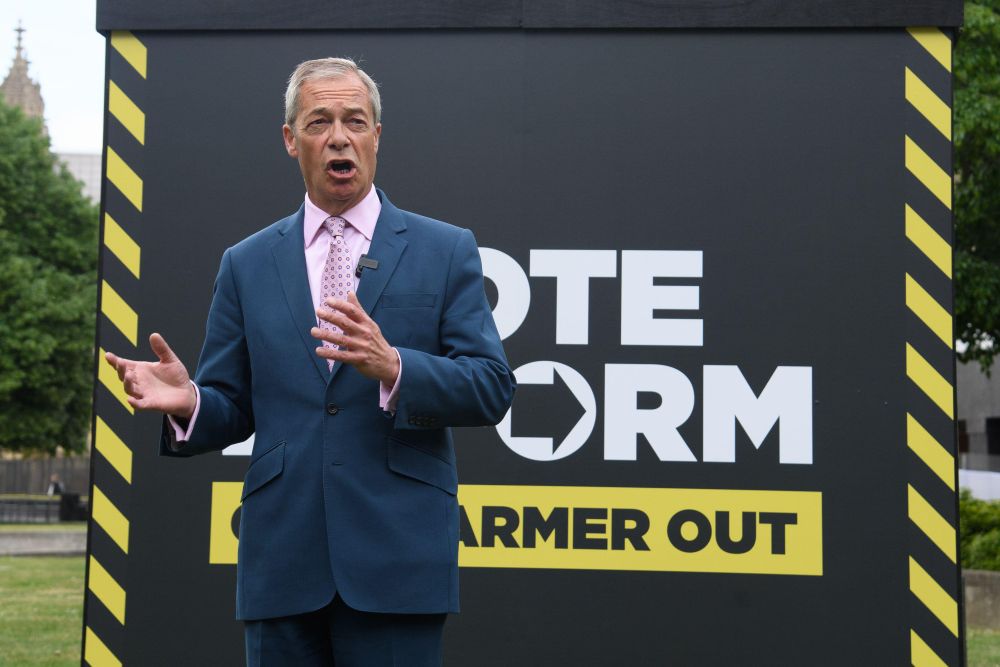
Dormer tells The House that Reform reluctantly agreed to work with the Tories as they were “just hell-bent on getting Labour out”.
He says that while some voters backed his party to keep Reform out, he believes that Conservative supporters are broadly tolerant of such an arrangement, while many in Reform are less pleased.
“Nigel Farage is a realist, and he will know that the only way the left is going to be gone is if the right actually works together,” he says. “That has to happen, whether they want it or not.”
Reform sources see this confidence-and-supply arrangement as a necessary one to give the town a stable budget, though one senior party insider says they are aware that Reform’s supporters are “wary” of such deals.
“Many left the Tories because they felt let down,” one senior Reform insider says. “They elected us to govern, not to posture. Value for money, an end to non-jobs, and lower waste. Deliver that, and the arrangement vindicates itself.”
Reform voters and Tory voters are generally very hostile to the other party, and the national parties are acutely aware of this.
“No pacts, no deals,” a Reform spokesperson says. “Reform UK is focused on delivering for voters, not propping up the broken establishment parties.
“As we’ve previously seen in places like Bradford and Worcestershire, where ideologically different Tories and Greens have colluded, other parties will go to desperate lengths to block Reform. We will focus on delivering for the British people instead of betraying voters for the sake of political convenience.”
A Reform insider says the party’s focus in local government will be on delivery rather than “setting the world alight”. They agree there is “plainly” an establishment effort to block Farage’s party.
“Every other party is now prepared to run a rainbow coalition against us, combining for one purpose: keeping the largest party out,” they say.
They add that agreements made on local councils amounted to “working relations” between parties rather than “pacts”. “A pact is a carve-up. A working relationship is the ordinary business of passing a budget and running services.”
They believe that Reform will not work with the Greens or the Liberal Democrats under any circumstances: “I cannot conceive how we could; there is no common ground. Otherwise, the test is good faith and delivery, not the rosette.”
