Chloe Dalton: "Hares Are Emblematic Of The Character Of Our Country"
7 min read
A chance encounter with a wild hare changed Chloe Dalton’s life and inspired her to champion the campaign to give the species greater legal protection. Zoe Crowther speaks to the author and former political adviser about why a close hunting season for hares is long overdue
When former political adviser Chloe Dalton found a baby hare – a leveret – a few hundred metres from her home in 2021, she had no idea it would change her life and career forever.
Chronicled in her 2024 best-selling debut book, Raising Hare, Dalton hand-raised the tiny leveret in her home, but gave it the freedom to come and go as it pleased as it grew. She lived alongside the hare for years, changed her own habits to fit with its nocturnal cycle, and eventually watched it raise its own young in her presence, all while keeping the wild creature at enough of a distance so it did not lose its natural instincts.
“I’ve come to think [hares] are almost emblematic of something about the character and nature of our country, our society and our particular landscape,” Dalton tells The House.
“So, just by virtue of being small and therefore considered insignificant, they’ve been overlooked, and really they have all the mystery, wonder, and interest that you’d find in any large charismatic animal.”
While Dalton had left a political career behind, politics never truly left her. The hare she raised left a huge impression on her life, so she turned her attention to the challenges faced by the species and has since used her platform to campaign on its behalf.
“Paradoxically, given the historic bloodlust towards hares, many of the most thoughtful and moving accounts of hares that I found were written by hunters, who appeared mesmerised by their strength, subtlety and craftiness of the animal and its ability to escape the jaws of death,” Dalton wrote in Raising Hare.
Yet many hares do not manage to escape the threat posed to them by humans.
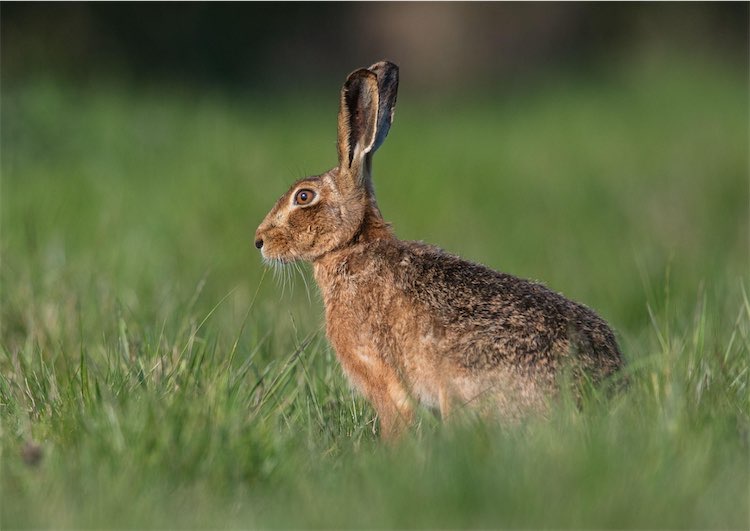 A wild brown hare in Sussex, England (Alamy)
Brown hare populations in England and Wales have declined by 80 per cent over the past century due to intensive farming, habitat loss and hunting. Each year, approximately 200,000 hares are killed in organised commercial shoots, spanning across the hares’ breeding season between February and September. In this period, tens of thousands of pregnant hares are shot, and leverets are left orphaned, therefore starving to death.
“The more I saw that there was this missing piece of legislation, the more I thought I would like to do something about this if I can,” Dalton tells The House.
In the two years since her book was published, Dalton has run dozens of events around the country and promoted a petition calling for a close season for hare hunting that received more than 50,000 signatures. The government responded to the petition last year, affirming its commitment to introduce one, but said it requires a suitable primary legislative vehicle to do so. The government has since introduced the Animal Welfare Strategy in December 2025, setting this intention out, but the law remains unchanged. The government is still considering which legislative vehicle to use.
In June, Labour peer Baroness Hayman of Ullock told the House of Lords she has a “cunning plan” to help get the legislation through.
“I’m very happy to take her at face value and hope that there’s a cunning plan,” Dalton says, but adds that the “onus is very much on the government” after having made “repeated commitments”.
“I would like to be a gently critical but positive and encouraging voice from outside government, along with the many people who have joined our campaign,” she continues.
“If I were to see signs that they were dragging their feet, I would be asking all the people who’ve supported us so far to get noisy again, and I’m sure they’d be ready to do that.
“Hares will be born in this coming breeding season that will yet again lack this protection unless the government moves fast. If your responsibility within government includes the custodianship of British wildlife and British nature, that’s a clock ticking, and I hope they would take that seriously.”
We need the political will to be ratcheted up a few notches
Polling by More in Common in March 2025 found that 66 per cent of the public support a close season for hares, while only six per cent oppose it. Scotland introduced a close season for brown hares under the Wildlife and Natural Environment (Scotland) Act 2011, and the Welsh government is currently running a four-week public consultation on whether to include a close season on hare hunting in its forthcoming Wild Animal Welfare (Wales) Bill.
So, why is it taking England so long to catch up?
“Hares have been traditionally regarded as a pest, and we’ve not shifted that perception of them and, therefore, the idea that they’re not really worthy of protection has stuck around,” Dalton says.
Ultimately, she says, hares are “not quite important enough” to ever make it onto the statute book.
“It’s very hard to get time in Parliament to bring in these kinds of measures,” she explains.
“It’s been a schedule thing, but really that is ultimately a question of political will, and therefore we need the political will and the political imagination to be ratcheted up a few notches.”
For Dalton, who worked as William Hague’s foreign policy adviser in opposition and then in the Coalition government when Hague was foreign secretary, bipartisan support for the cause will be key in finally getting it to pass.
“I’m a huge believer in the power of bipartisanship in politics, and we’ve sort of forgotten in the foreign policy space, in particular post-Brexit, what that actually looked like.”
She says she is keen for the campaign to introduce a close season for hares to not become a “political football” and continue to attract support in all corners of politics.
“There’s also support from people who shoot, people who enjoy traditional countryside sports, but who agree that it shouldn’t be common practice to shoot hares during their breeding season.
“I’ve been out [of politics] for a long time. But I was also in for a long time, so I’m not somebody who has a jaded view of Parliament and politics. I really am passionately convinced that it’s full of people who actually do want to do positive things and make a difference on issues that matter to people in our country and around the world, and so in that spirit, with absolute sincerity, I think this is really doable and it’s overdue.”
Nevertheless, she has been met with both political and personal opposition in the campaign, though she describes it as largely “quiet” in nature.
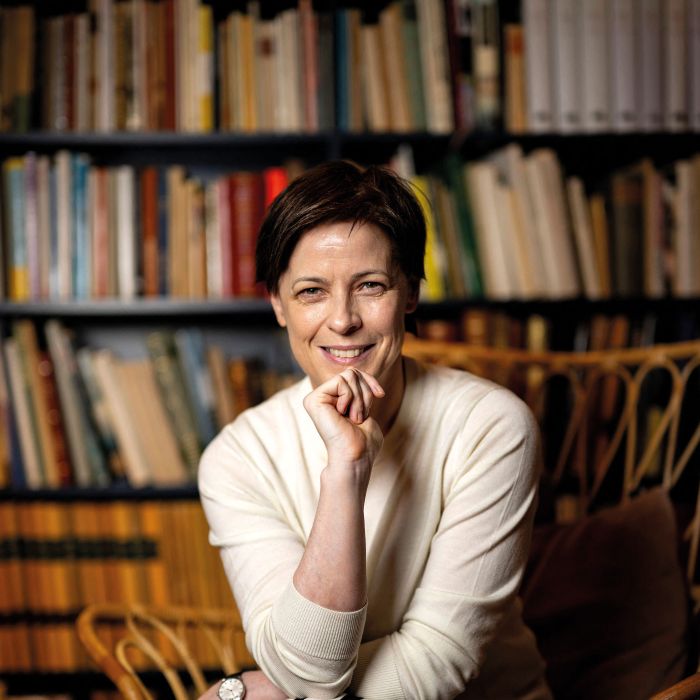 Chloe Dalton previously worked as a foreign policy adviser (TT News Agency/Alamy)
“There have been people who’ve criticised me personally,” she says. “There’s this whole question of who speaks for the countryside. I have, like many people in the country, a feeling about the British countryside that runs through my veins as much as anyone else’s, even if my career has led me to live a lot of time in the city.”
Dalton is not done with writing about the bond between animals and humans yet – she has recently released a children’s edition of Raising Hare, and is set to release a new book called Pet next year, which will explore the relationship between humans and their animal companions. Meanwhile, she keeps “one eye on what’s happening in Westminster and on our foreign policy”.
“It’s hard, if you care about those kinds of issues, not to feel like you should play a role in the future because things are going so badly in the wrong direction in so many areas for all of us,” she says.
“I don’t think I’ve completely got politics out of my system. I am someone who spent my whole career working on issues affecting humans as a result of conflict and insecurity, thinking about human rights and particularly the rights of women affected by these big geopolitical forces. So, this is a shift for me, but I’ve come to see that it’s all connected.”
