Inside The Lib Dem Strategy Rethink
Ed Davey has served as leader of the Liberal Democrats since 2020 (Alamy)
8 min read
The Liberal Democrats are under pressure to remain relevant, with their own MPs publicly admitting there is frustration about the party's lack of progress since the last general election. PoliticsHome can reveal that a strategy "rethink" is now underway at the top of the party.
In 2024, the Lib Dems achieved a record result with 72 MPs elected. It was a triumph for leader Ed Davey. Since then, however, there has been growing restlessness over what many of his MPs feel has been a failure to capitalise on that performance, and fears that the party risks being squeezed out of the political picture.
The local elections in May produced mixed results for the Lib Dems. The party made a net gain of 224 councillors and took three councils from other parties. It was able to fend off Reform UK challenges in areas like Portsmouth, where it seized control of the city council, and made gains outside its traditional strongholds in areas such as Rugby and Ealing.
However, the results also showed that on average, the Lib Dems' support was down by three points compared to 2022 and 2024, and there was some disappointment about the performance in London, where the Greens are on the rise. Though party sources stress they made gains in parts of the capital where they hadn’t previously, like Camden and Ealing.
While the party leadership hailed the 7 May results as an overall success, PoliticsHome can reveal that there is an acceptance among senior Lib Dems that it is time to look at changing the approach. To that end, the party is undergoing a strategy and policy overhaul, with key areas of discussion including the economy, welfare, and, as the 10th anniversary of the Brexit referendum approaches, a bolder stance on the European Union.
Speaking to PoliticsHome, Lib Dem MP Tom Gordon said that while the results last month were generally positive for his party, losses in the North that weren’t seen during the coalition years rang “alarm bells” for him.
For Gordon, the results were a “warning sign” that the Lib Dems have been operating in “a very cautious way” so far.
“I don't think it was necessarily the wrong approach, but just given the nature and the timeline of where we're at in this parliament and the political events and that fragmentation, I think there is now a rethinking of what we do, what we offer, how we're more punchy, how we're bolder, and what the offer from us is,” he told PoliticsHome.
The Lib Dems have tried to be bold before. The party’s adoption of the slogan “Bollocks to Brexit” in 2019 was an attempt to harness the anti-Brexit vote. But it fell flat. Seven years on, in a UK that is no longer a part of the EU, one senior Lib Dem MP told PoliticsHome, “the economy is stagnating, the trend is mediocre."
There's definitely a frustration that it feels like we've been talking about the same things – social care and rivers – and that just felt like we weren't really moving forward
They felt that the party would need to announce EU policies that would be “eye-catching and bold”, with all options being considered. One senior MP said the outcome of those discussions would likely come before conference season.
The MP said the party is “starting to think about the economy in a much more structural manner”, and the frontbench team had been “set a task of properly scrutinising departmental budgets, [looking at] where money is being spent”.
They added that the party needs to “make sure we are economically credible”, with there being more appetite from figures at the top of the party towards thinking about what the Lib Dem offering would be in a potential future coalition.
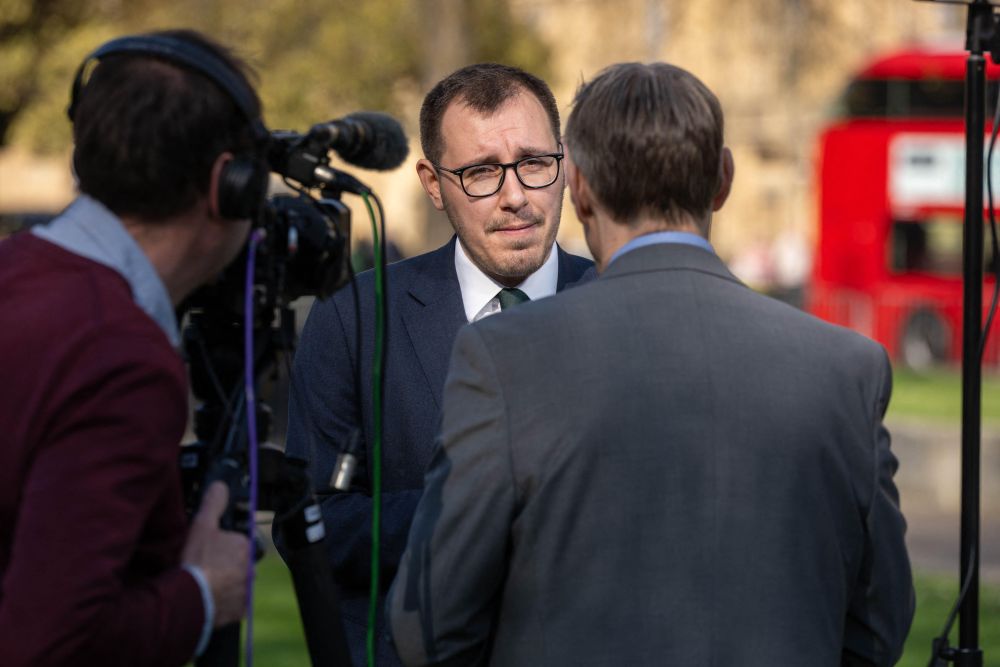 Lib Dem MP Tom Gordon believes the party should start to think about the policies it would pursue as part of a coalition government (Alamy)
Lib Dem MP and chair of the Commons Health and Social Care Committee, Layla Moran, told PoliticsHome: "There's definitely a frustration that it feels like we've been talking about the same things – social care and rivers – and that just felt like we weren't really moving forward.
"So us evolving the position and being quite mindful about how we do that now is really important.”
She added: “There are a lot of Lib Dem MPs geeking out on how we fix the deep issues that the country's got, and we are going to come up with something that is quite bold and exciting and coherent."
While Lib Dems like Gordon describe the process as a “rethink”, others are more reluctant to adopt that label, instead suggesting it is a natural evolution.
Daisy Cooper, Lib Dem deputy leader and Treasury spokesperson, told PoliticsHome the party was now looking at seats to target beyond just the so-called 'Blue Wall' – historically Conservative constituencies that have switched to the Lib Dems in recent years.
“Now that we have consolidated our existing seats, really our plan is very much to go out and to win more, but it's not a change in direction, it's just the next step.”
Whatever the official label of the process inside the party, the question of how the Lib Dems can cut through and make an impact in an increasingly fractured party system is a key concern. “It’s a massive challenge”, one senior party member told PoliticsHome, explaining it is often hard to achieve cut through with the Lib Dems’ characteristically “nuanced” policies.
As populist parties garner support, Gordon said the party cannot stand still. “There are people who are really cheesed off who are looking for alternatives, and we can't miss the boat on that.
“We will be doing ourselves a disservice as a party unless we look to try and build that big tent that has an overarching strategy for the entirety of the country.”
The Liberal Democrats are also planning to prioritise championing environmentalism, in order to move into a space they say Zack Polanski's Green Party is starting to abandon, according to The Telegraph.
Moran put it frankly: "We need to respond. We recognise that the strategy that we went into the general election with in 2024 is not the right strategy for now. And there's a broad understanding of that across the party."
Ed could easily have chosen the very tempting option to go full Polanski and become the populist Farage of the left
One senior Lib Dem told PoliticsHome that there is also an acceptance that they will need to be more “radical” in their policy making and “thinking more about what people wouldn’t expect us to do”. There is a broad consensus too that how these policies are then communicated to the public is key, with multiple sources telling PoliticsHome that the party is growing its social media teams in a bid to boost its digital operation.
Moran admitted that the party needs to be “better at selling [policy]”.
“That’s not just Ed – it's all of us. We all need to get literate on social media; we all need to make this sexy again. We all need to understand how to sell this stuff in 30 seconds.”
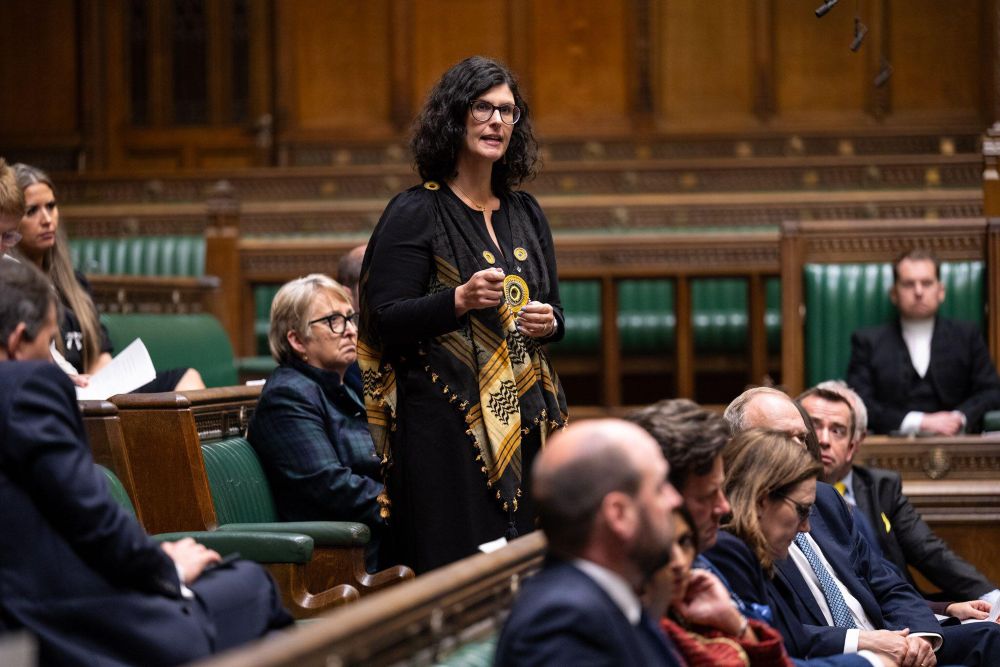 Oxford West and Abingdon MP Layla Moran said the Lib Dems are "evolving" their policy positions (Alamy)
Gordon, along with other Lib Dems, emphasised the need for his party to be "bold" and "popular" – but that while they wanted to "offer an alternative", they want to find a "way to frame that in a way like we don't want to burn the system down". For many Lib Dem MPs, this means they want to see Davey continue as leader up until the next general election, despite criticisms that he could have done more to cut through with the public.
Lib Dem MP and former party leader Tim Farron told PoliticsHome: “Ed could easily have chosen the very tempting option to go full Polanski and become the populist Farage of the left.
"But [he] wisely and morally opted to be the party for sensible people. That’s a harder sell, but it’s the right move, so it involves a lot more work on the ground. But we are really good at that, and getting even better."
One Lib Dem MP from the 2024 intake who wished to remain anonymous said: “We’ve been quieter than many would want us to be so far.
"If we get bolder and louder now, particularly on the economy, that opportunity to break through is still there for us.”
Newer MPs told PoliticsHome that they felt the party leadership had been engaging on how to move the party forward by meeting with backbench MPs, and carrying out extensive research via polling and data analysis.
Gordon told PoliticsHome: “I can understand why some colleagues have been frustrated that they don't feel that's happened so far. I am cautiously optimistic that that has been heard, and there will be some efforts to try and make sure that we do better, quite frankly, on that front.”
While calling for the party to consider how it might be involved in a future Westminster coalition was once a sign of rebellion, that line of thinking is now becoming more commonplace.
Gordon told PoliticsHome it was "absolutely" important to start thinking about policies for a coalition, and that the party would have that conversation going forward while also involving its members and affiliated organisations.
However, there is seemingly still a divide on this point, with senior party figures telling PoliticsHome that laying out options for a future coalition would be "indulgent naval gazing" when a general election is potentially still three years away, and that they should instead be focused on "the issues that really matter to people right now".
