Labour Struggles To Persuade Activists To Knock On Doors
One senior figure in the young Labour movement said they are concerned of a potential future “brain drain” for the party (Alamy)
5 min read
A disconnect between the Labour government and party members is causing a fall in the number of activists willing to campaign, organisers have warned.
At one recent Constituency Labour Party meeting in Wales, senior members were "more or less begging for people to get out on the doors", said one activist who spoke to PoliticsHome at the party's recent conference in Liverpool.
Labour's relatively large and youthful membership means that it usually has a healthy pool of activists ready to knock on doors and hand out leaflets when election time nears.
However, while it is not uncommon for motivation to dip between elections, there is a belief among Labour figures that the party's current struggle to find willing activists is a more serious issue, potentially creating major problems for the Labour campaign machine as it braces for what are expected to be very tricky elections in Wales and Scotland in May.
Speaking to PoliticsHome in Merseyside, multiple Constituency Labour Party (CLP) officers, as well as members of the National Labour Student Committee (NLSC), identified the problem as a widening chasm between government policies and large swathes of the membership.
While Labour won a large House of Commons majority in 2024, its popularity has fallen sharply, with announcements like the now-reversed decision to cut winter fuel support triggering a backlash from voters and some Labour MPs. There has also been frustration among many Labour figures over what they see as a Downing Street political strategy too focused on right-wing voters leaning towards Nigel Farage's Reform UK.
"We're not seeing as many people willing to canvass or engage with the party,” Zack Hayward, a Welsh NLSC member, told PoliticsHome.
“At the latest CLP exec meeting, our campaign coordinator was more or less begging for people to get out on the doors."
He explained that while the next UK general election may be a few years away, Senedd elections in May mean the situation on the ground in Wales is much more urgent.
“With the greatest possible respect, some of us don't have five years,” he told PoliticsHome, adding: “Communities that have always historically put their trust in us have more or less stopped listening right before an election."
The Labour First Minister of Wales, Eluned Morgan, told PoliticsHome that Westminster Labour figures had been "slow to realise" the electoral threat facing the party across the border, where Reform and Plaid Cymru are far ahead in the opinion polls. “I think they’ve been slow to realise it. I think they’re starting to wake up," she said in an interview at conference.
It was a concern expressed by many Labour organisers nationwide.
One CLP chair reported a significant drop-off in activists willing to engage with the group. “I completely agree that elections are fought by activists, ultimately. And at a time when we're struggling to motivate people in the party, that is going to have a knock-on effect on our ability to campaign," they told PoliticsHome.
The head of another CLP said: "The numbers aren't what they were at your all-member meetings, and it's harder to get people out canvassing."
Ultimately, said Hayward, many activists are not willing to “face the music” of voter anger.
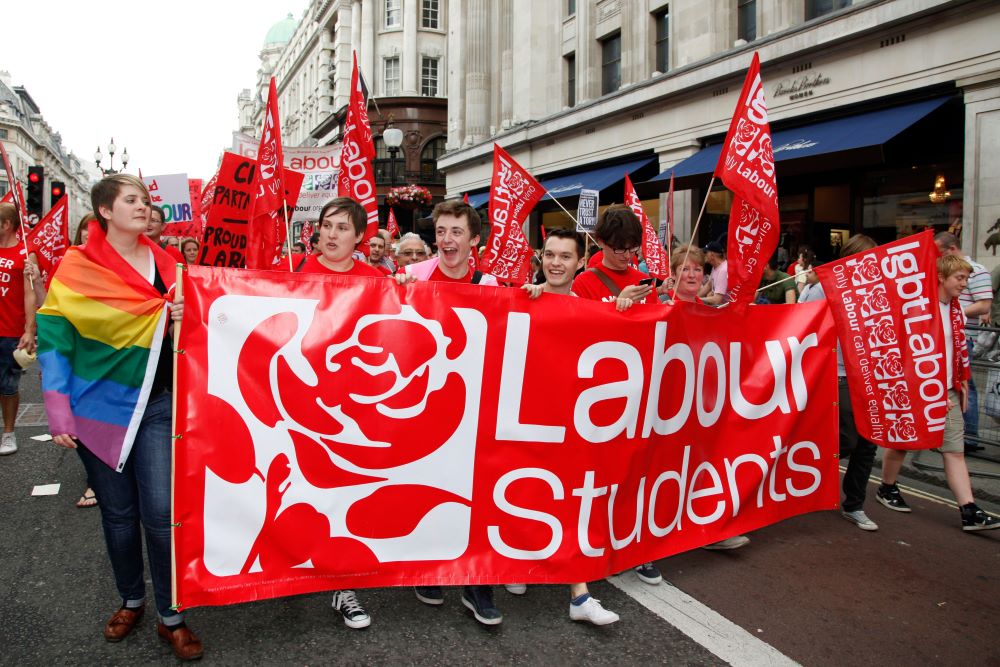 There is “a lot of disappointment” among acitivists and the mood has "soured” (Alamy)
Asked what is deterring activists from getting involved, Hayward put it down to “a combination of policy and vibes” coming from the government being out of kilter with the values held by members.
There is particular concern about a "brain drain" of young members and Labour students, who are seen as people who would be expected to take up important party roles in the future.
“There's going to be a crunch on people willing to take up CLP jobs, willing to stand for office, willing to fly the flag when they know they're in an unwinnable ward – to do the hard work that keeps the party moving," said Hayward.
Another member of the NLSC told PoliticsHome: "It's relatively undeniable that at the moment there is a drop off in young people in Labour."
A Merlin Strategies poll for the New Statesman, published on the eve of Labour conference, found that, of the one in three aged 13 to 17 who plan to vote when they have the right to do so, 33 per cent opted for Reform, while 27 per cent with Labour.
Another CLP chair said one reason why activists are reluctant to knock on doors is the fear of abuse amid a highly polarised political climate.
“With all the flag-flying and that sort of mood at the moment, would I go out door-knocking right now? I would think about it, genuinely. I’d think about it twice, and that's an odd place to be. I can't remember the last time things felt like that.”
Tasked with defending an unpopular government, some activists are trying new tactics.
Des Waters, secretary of the Suffolk Coastal CLP, told PoliticsHome that while they too had experienced an increased difficulty in getting activists out campaigning, they have switched up their messaging to combat the party’s unpopularity on the doorstep.
“We're in listening mode. We're not in telling mode at the moment, so that's how we've switched it around,” Waters said.
The challenge, Waters said, will be when they have to campaign for the council elections, which are due in the constituency next year, “when we have to come back and focus on the Labour Party message”.
