"Genuinely enlightening": Baroness Finn reviews 'The Incidental Feminist'
February 1975: Margaret Thatcher meets young Conservatives | Image by: Trinity Mirror / Mirrorpix / Alamy
4 min read
Despite engaging in some unnecessary speculation, Gaudion’s important book casts a fresh perspective on how Margaret Thatcher rose to power against the odds
Tina Gaudoin approaches Margaret Thatcher as a reluctant admirer – but what she delivers is a study that gets under the skin of the first female prime minister in a way that is fresh, engaging, and surprisingly sympathetic.
The Incidental Feminist illuminates its subject not merely through her political accomplishments but through the prism of gender, class and personal resilience. I disagreed with some of the conclusions yet valued the originality of the lens. Gaudoin has drawn widely from contemporaries, politicians and commentators from across the political spectrum, and that breadth strengthens the credibility of her attempt to understand Thatcher as both a woman and politician.
Two themes attracted early attention: that Thatcher was neurodiverse, and the suggestion that she engaged in a couple of extramarital affairs.
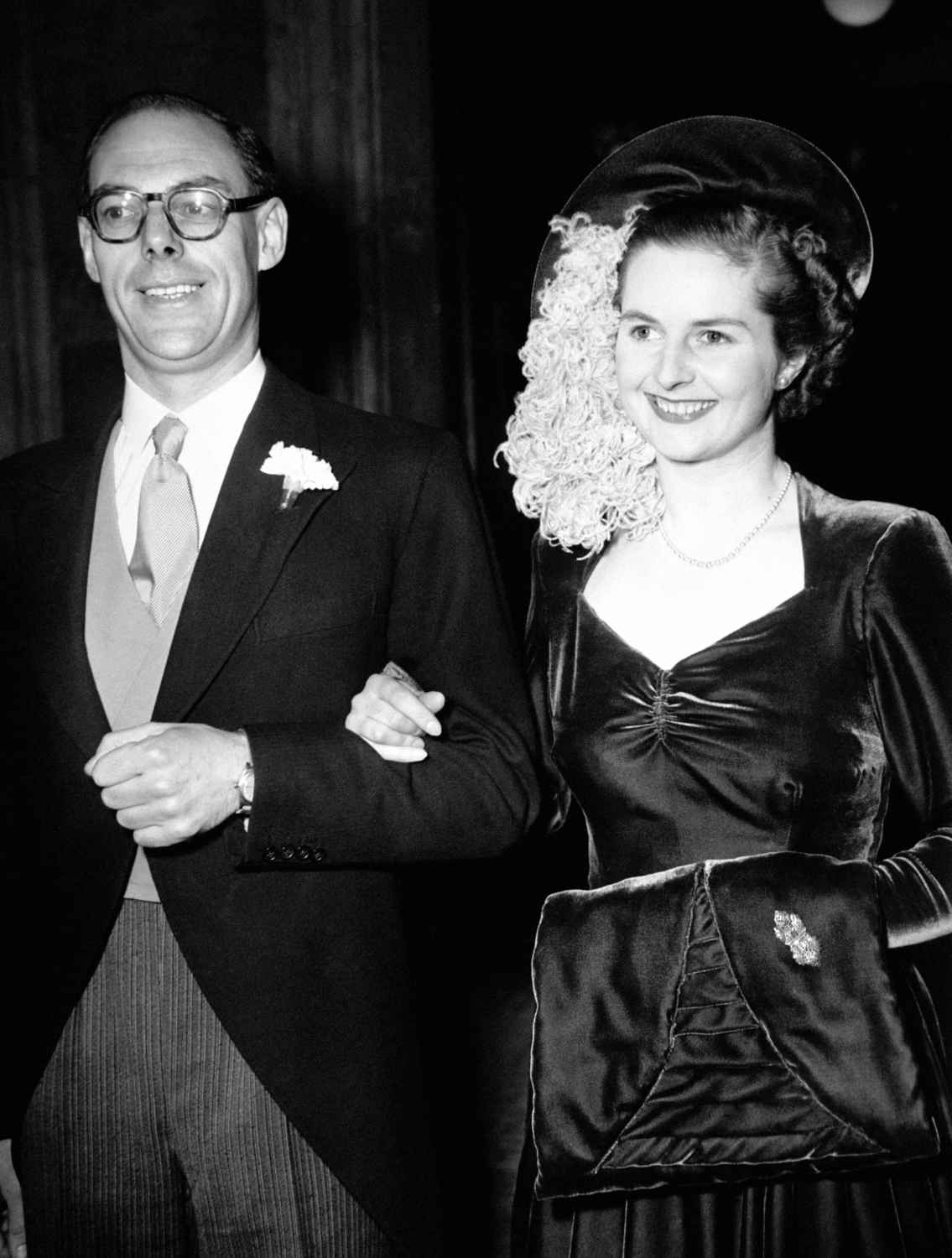 December 1951: Margaret Roberts marries Denis Thatcher | Image by: PA Images / Alamy
Gaudoin’s view that Thatcher exhibited characteristics consistent with mild autism strikes me as both speculative and unnecessary. Her direct approach and singular focus were not symptoms of neurological difference but rather essential tools for overcoming the very prejudices the author so ably chronicles.
Thatcher would have needed such armour to survive the twin barriers of misogyny and class prejudice that confronted the grocer’s daughter from Grantham. The tearful prime minister who wrote by hand to every family of the Falklands dead is not a woman cut off from empathy. Her solicitousness to her staff, her evident ability to engage warmly with other women, and her enduring relationship with Dorothy Hodgkin – her Nobel prize winning tutor at Somerville College – reveal a woman of considerable emotional intelligence.
Class snobbery appears throughout the book
Despite their divergence in political views, Thatcher continued to correspond with Professor Hodgkin, the only person she was said to fear, and at one No 10 reception was observed sitting next to her wheelchair cutting up her food. Gaudoin frames such moments as a mask of empathy but they suggest something far more straightforward: Margaret Thatcher could be extraordinarily kind.
Class snobbery appears throughout the book. The public school girls at Oxford University who disdained her provincial origins; Willie Whitelaw’s remarks that she was “not the sort of person to have to stay for the weekend” and Mary Warnock’s cruel disdain for her “odious suburban gentility”: these vignettes paint a vivid picture of the social hostility she endured, and it is hard not to admire her fortitude.
Gaudoin is particularly astute on matters of presentation, not least Thatcher’s clothes. Appearance was not a superficial concern but a strategic asset. Always immaculate in her Sunday best, she pioneered a visual language for women in power. Margaret Thatcher’s vanity was no secret, and while she forgave most slights, her refusal to forgive the journalist who exposed her “unshaven knees” is both revealing and rather endearing.
The treatment of potential extramarital affairs also seems overblown. Yes, she enjoyed the attention of tall, handsome men (her chemistry with President Reagan certainly benefited the special relationship), but the leap to alleged affairs is thinly supported. Charles Moore is right that the odds are “vanishingly unlikely”. And while Thatcher’s marriage to Denis might have been more pragmatic in the beginning, there is no doubt that it became an enduring love affair.
 Gaudoin is convincing when she argues that Thatcher rejected the domestic role of her mother, but as the superb politician nonetheless used her housewife credentials to connect with the vital C1 and C2 female voters. After a theatre trip to Evita, she wrote: “If a woman like that [Eva Perón] can get to the top without any morals, how high could someone go who has one or two?”
Overall, The Incidental Feminist is entertaining, nuanced and genuinely enlightening – it’s an important contribution to understanding how Margaret Thatcher achieved and wielded power against the odds.
And Gaudoin is absolutely right in her overall conclusion: Margaret Thatcher normalised the idea of a woman in power and all women owe her a debt for paving the way.
Baroness Finn is a Conservative peer
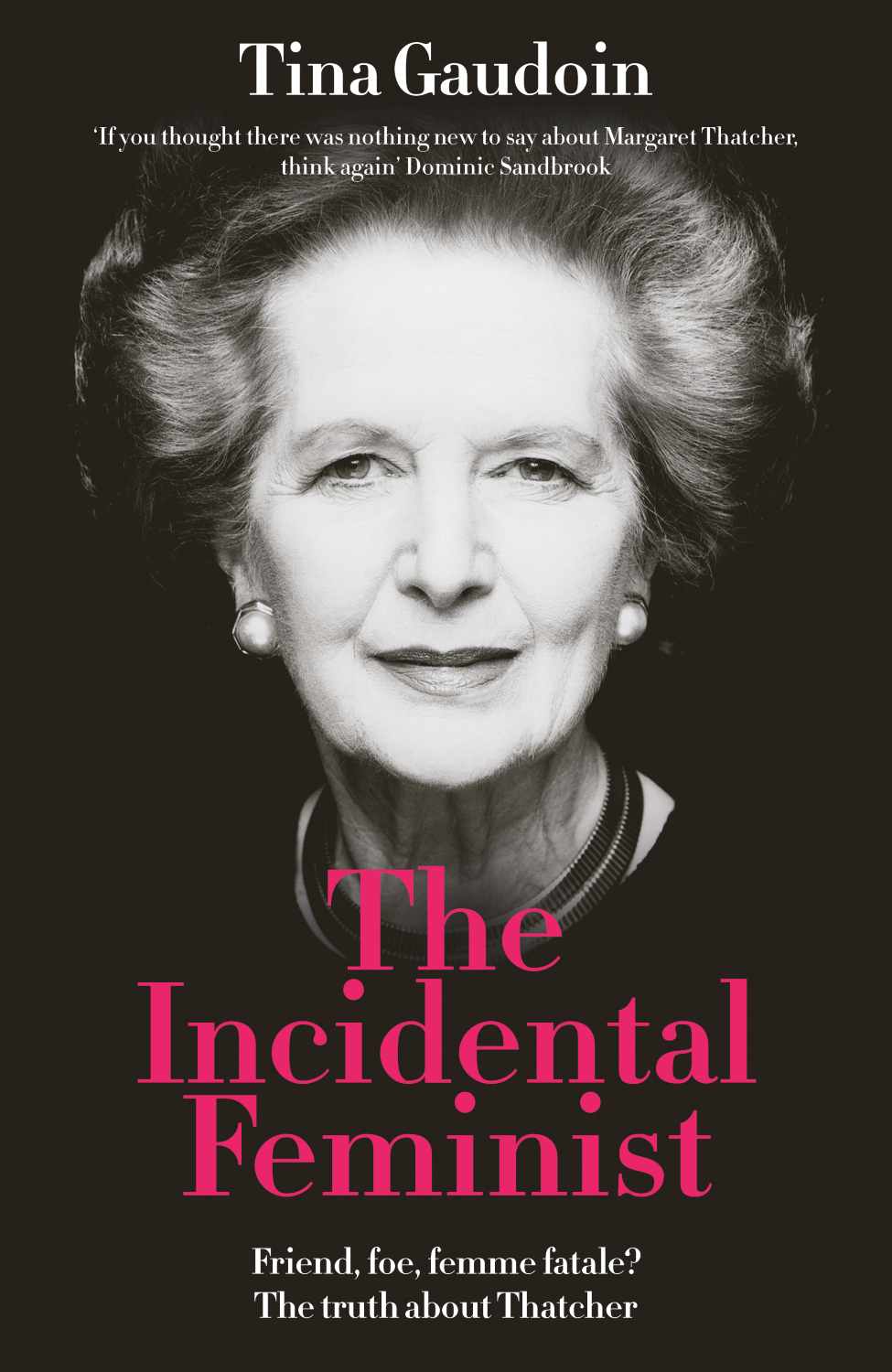
The Incidental Feminist: Friend, foe, femme fatale? The truth about Thatcher
By: Tina Gaudoin
Publisher: Swift Press
