Exposing The Irish State’s Role In The Magdalene Laundries: Claire Hanna Reviews 'TESTIMONY'
June 2018: ‘Dublin Honours Magdalenes’ event | Image: © Underground Films Commissioning Limited 2025
3 min read
Shining a light on one of the most shameful chapters in the country’s recent history, this devastating film should be required viewing for all politicians and policymakers
Aoife Kelleher’s Testimony is not an easy film to watch, but it is an important one. Giving voice to women who were placed in Magdalene laundries during one of the most shameful chapters in modern Irish history, the film shines a light on the Irish state’s role in allowing, excusing and then covering up decades of institutional abuse.
The film is both devastating and dignified, led by the moral clarity and heartbreaking experiences endured during this horrific period in Irish history, told by those who suffered at the hands of the very institutions charged with their care.
Their stories cannot fail to move and inspire. For those of us in public life, it should also serve as a stark reminder of the dangers of moralising authoritarianism and the culture of cover-up that so often accompanies it.
As Testimony makes clear, the cover-up was no accident. It was a deliberate act: a decision by the state to protect reputations rather than individuals, to delay a moral reckoning that was long overdue. For decades women seeking their records were met with obstruction, evasion and official reports that denied their truth and, for some, their lives.
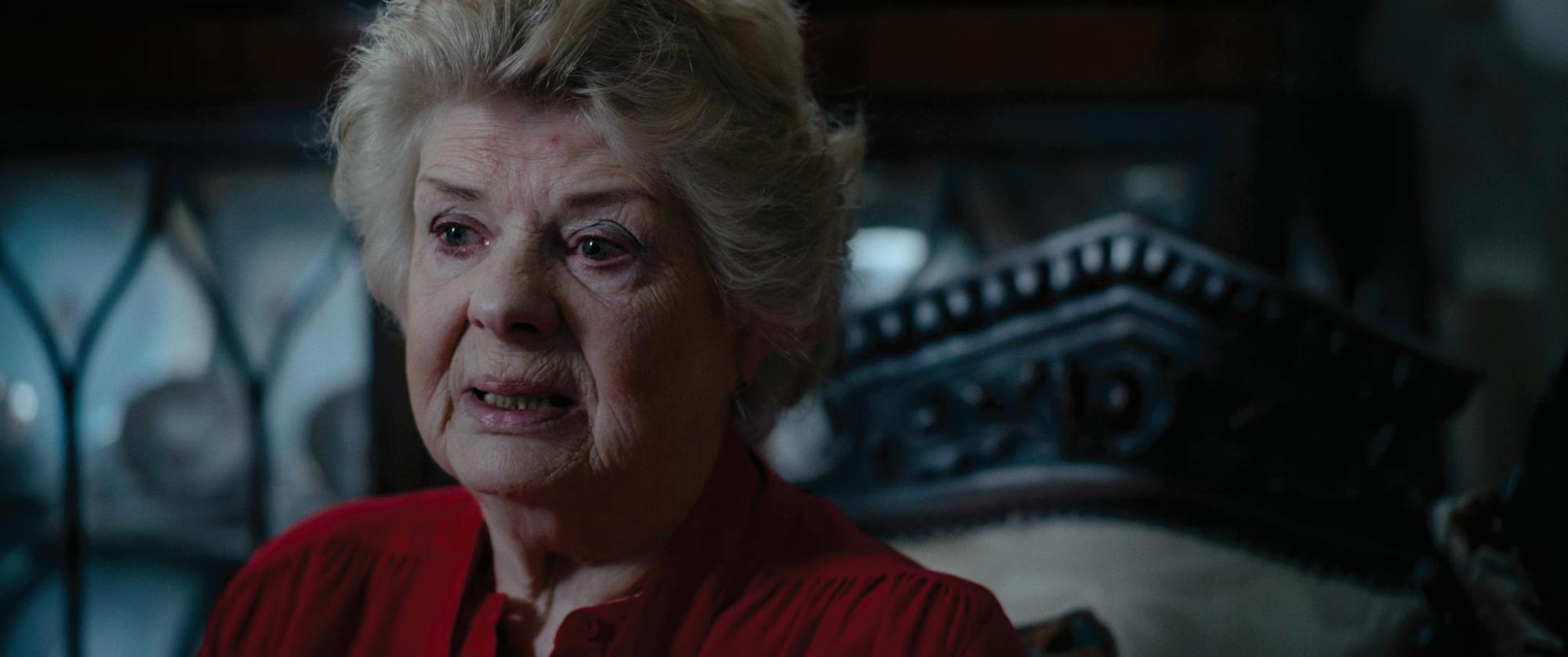 Madeleine: one of the film’s interviewees tells her story
Image: © Underground Films Commissioning Limited 2025
The separation of mothers and babies, many taken without consent, remains one of the most unbearable aspects of this story. The cruelty was compounded by the deceit that followed, when those same institutions thwarted mothers and children trying to trace one another years later.
Yet, despite the psychological and physical violence inflicted upon them, the survivors’ quiet dignity and persistence are extraordinary. To call their courage heartbreaking does not do it justice.
It should also serve as a stark reminder of the dangers of moralising authoritarianism
While Testimony confronts the past, it is firmly rooted in the present. Ireland has transformed dramatically over the last 40 years, from a poor, socially conservative state to a high-performing economy with progressive social policies and governments prepared to acknowledge the scandals of the recent past. Yet, as Kelleher reminds us, the laundries may have closed in the 1990s, but the moral and political questions remain as relevant as ever; how do governments face their own complicity? How do we ensure that no state, in Ireland, the UK or anywhere else, can bury its failures under secrecy or shame?
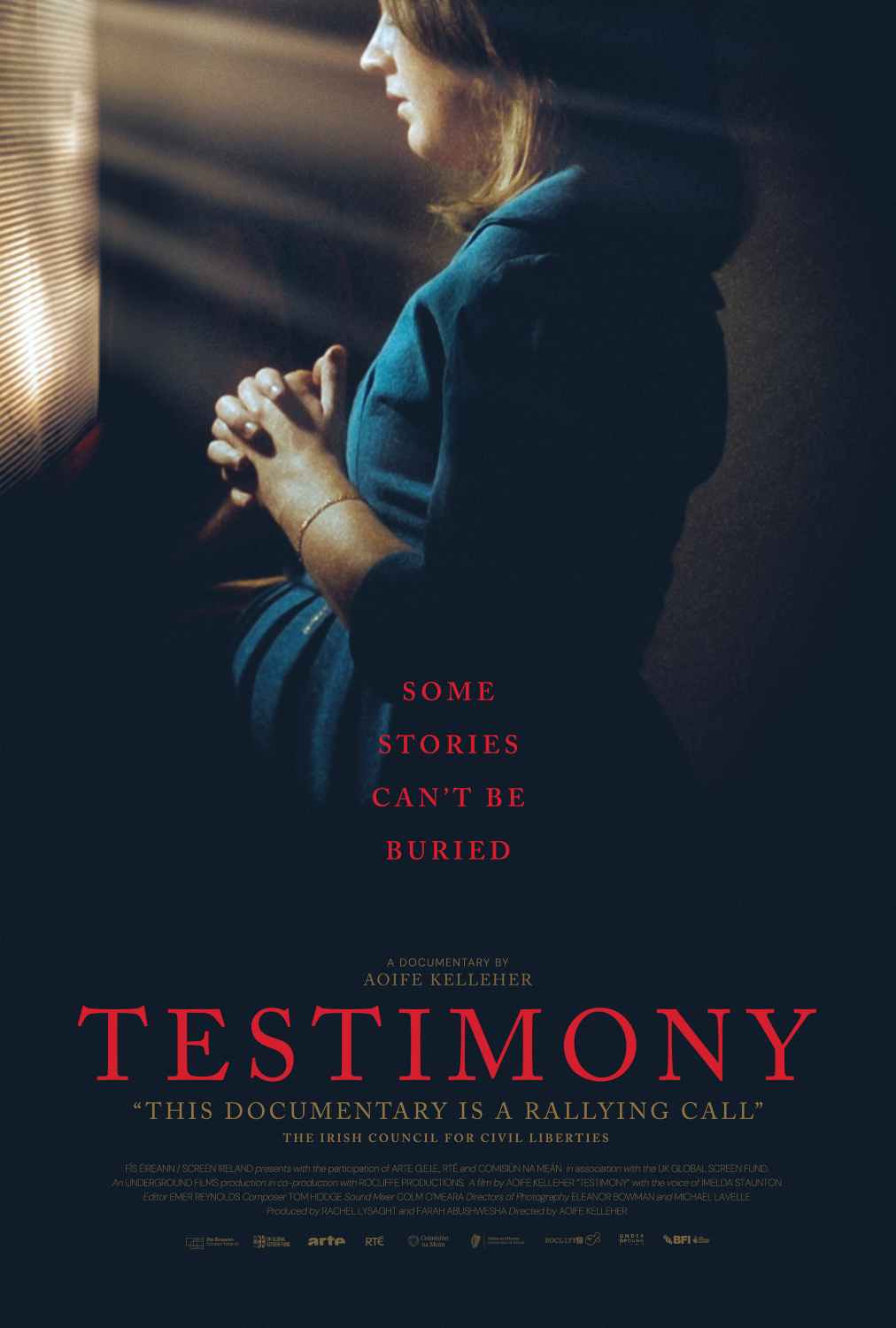 And it traces the impacts of delayed justice to the present day; the missed opportunities to reunite families, to reconnect mothers and children, to make peace before it was too late. Justice delayed is justice denied, and in so many of these cases, delay was a deliberate act.
For politicians and policymakers, Testimony should be required viewing. It warns that presumed moral authority, when left unchecked, can have devastating consequences and that governments, through inertia or fear, can perpetuate harm long after institutions have left the stage. Indeed, in Northern Ireland, we know this all too well.
The film ends without resolution, but with insistence: that truth still matters, that archives must open, and that survivors deserve not only apology but vindication.
Testimony speaks to every society tempted to hide its sins and reminds us that accountability is not a gift from the powerful but a right owed to the people they represent.
Claire Hanna is MP for Belfast South & Mid Down and leader of the SDLP
Testimony
Directed by: Aoife Kelleher
Venue: UK cinemas from Friday 21 November
