"Pack this book for your holiday reading – you won’t put it down": Lord Black reviews 'Peace Makers'
September 1939: Sir Alexander Cadogan and Lord Halifax walk out the gates of Buckingham Palace carrying their gas masks | Image by: Associated Press / Alamy
4 min read
The unsung story of the courageous diplomats who helped Britain to victory during the Second World War, Lord Ricketts' dazzling book is a perfectly judged blend of pace and detail
When I recently reviewed Tim Bouverie’s masterly Allies at War, I said it disproved the idea that there can’t be anything new to say about the Second World War. Lo and behold, like the fabled Number 11 bus, along comes a remarkable companion, Peace Makers by Lord Ricketts, which shines a forensic light on another unwritten story of the war: the unsung, vital work of the courageous diplomats – a “remarkable generation” – who helped us to victory.
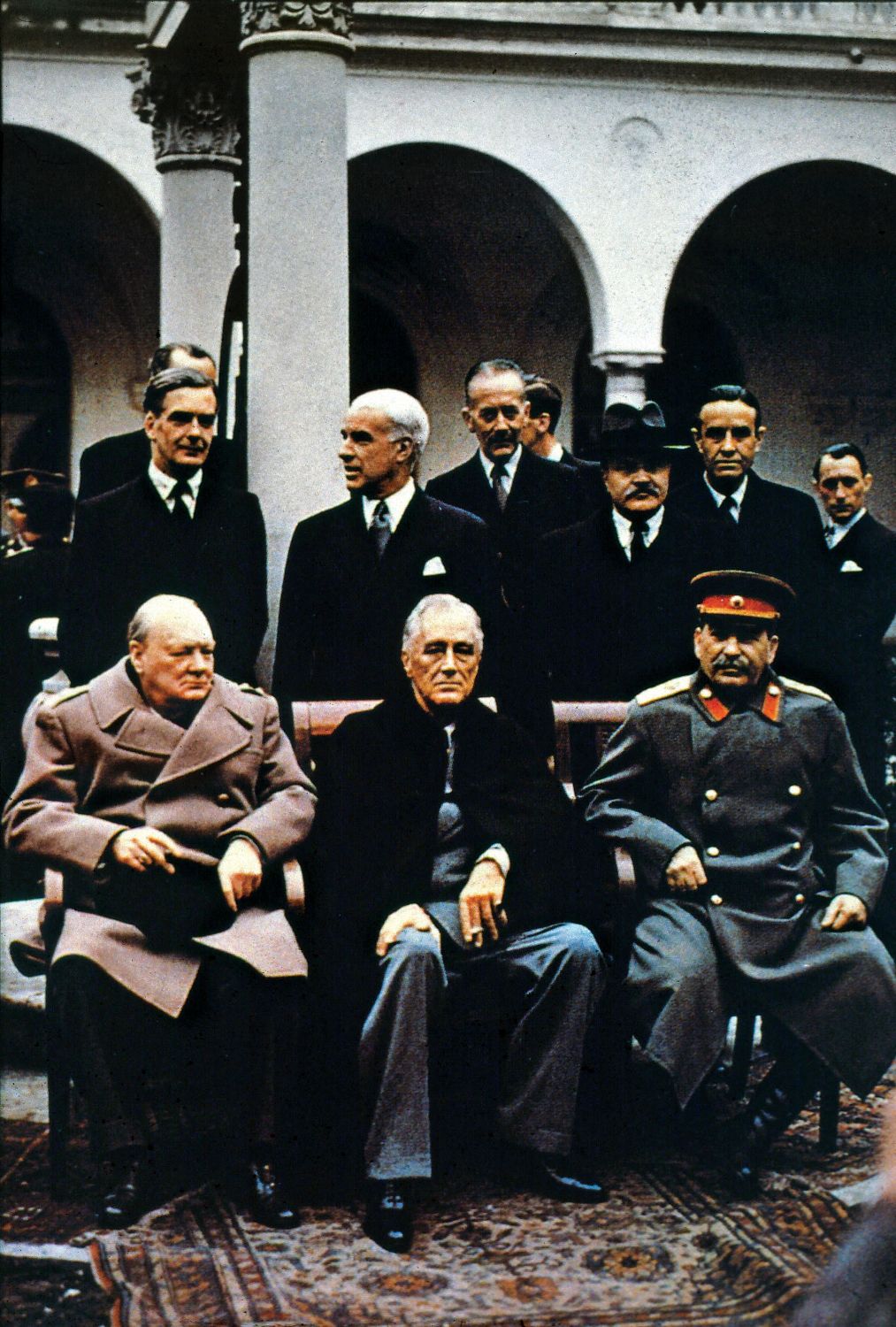 Yalta 1945: Back row (3rd from left): Alexander Cadogan; front row: Churchill, Roosevelt, Stalin | Image: GRANGER / Alamy
Writing in 1936, the historian GM Young criticised “much of what passes as diplomatic history as little more than the record of what one clerk said to another clerk”. Well, this is no such thing. Peter Ricketts’ dazzling book – a sublime, pacey combination of thriller, farce, high politics and deadly serious diplomacy on which lives depended – takes us into the secret world of the “grey zone between overt diplomatic work and covert spying”. These people were what Ricketts calls the “shock absorbers” who made things happen (much of it the work of Sir Alexander Cadogan, who established a spider’s web of talented civil servants across Whitehall underpinning the war machine).
The first chapter, chronicling the role played by diplomats during the fall of France, gives us a vibrant flavour of the entire book – multi-tasking diplomats desperately seeking to bring calm out of chaos, at the same time as being social workers tending to refugees, courtiers looking after fleeing monarchs (including Albania’s King Zog clutching his baggage of gold bars) and encrypting vital telegrams on which lives depended. These men and women were heroes.
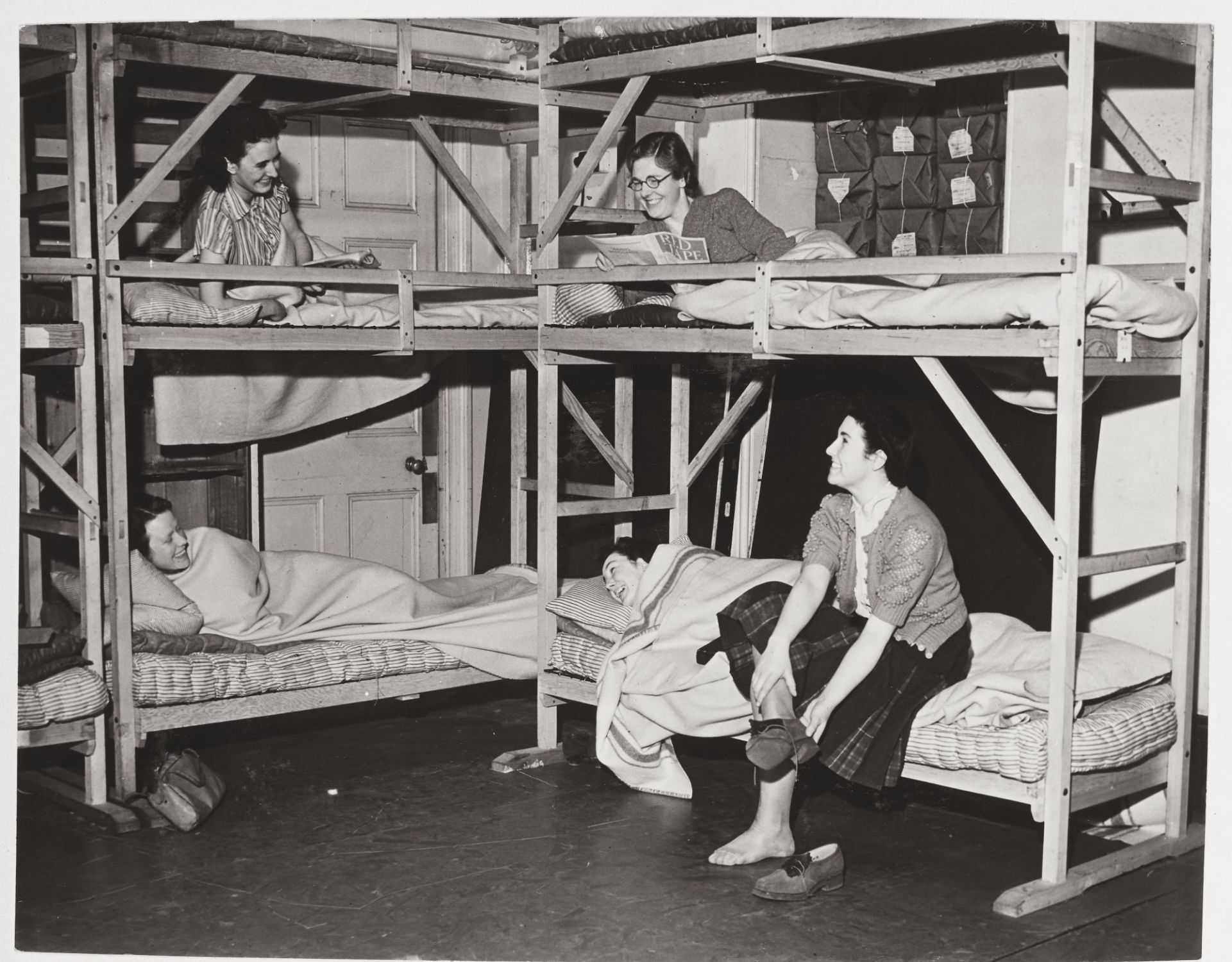 Foreign Office: Young women often slept in the basement following 12-hour shifts in the Cypher Room | Image courtesy of FCDO
And indeed the story of female diplomats is one powerful aspect of this book. We are introduced to many whose names don’t burn brightly in history – and who had to fight misogyny, low pay and the tedious hauteur of Old Etonians – but whose work was crucial in executing the war effort. Women like Elizabeth Wiskemann, who produced reports on life in Germany, and Joan Bright, who dealt with all the logistics for Yalta, Potsdam and the other great conferences.
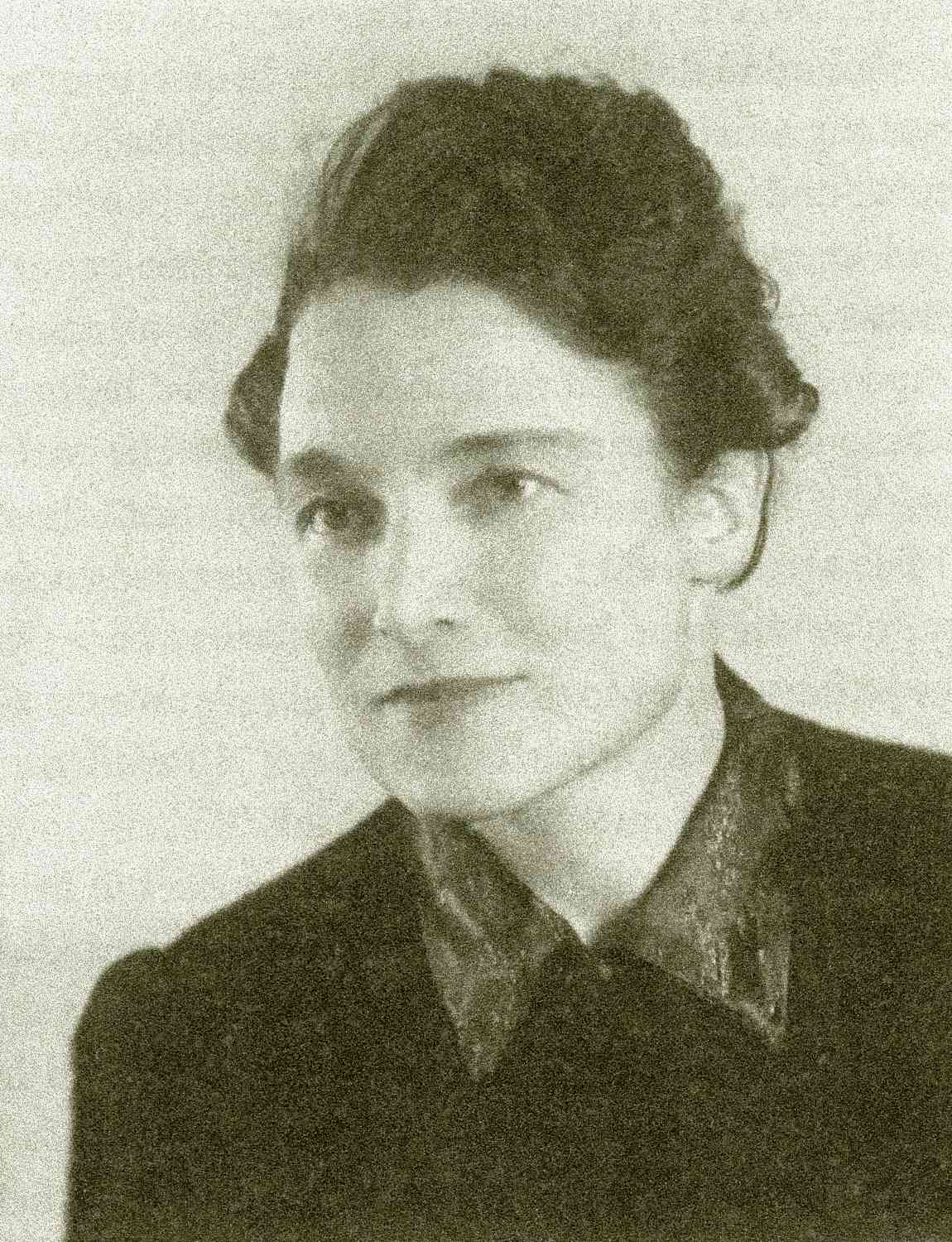 Elizabeth Wiskemann | Image courtesy of FCDO
The book – a perfectly judged blend of pace and detail – takes us through 10 years of “fraught crisis diplomacy” from Neville Chamberlain’s forlorn efforts to stave off war, right the way through to futile attempts to stop Joseph Stalin absorbing Eastern Europe.
It covers the establishment of the Home Guard, dealing with Winston Churchill (who often started work “after dinner, much alcohol and a film… with predictable results” for his long-suffering officials, constantly woken throughout the night), the origins of the Atlantic Charter, the heroic efforts of figures like Sir Samuel Hoare who did so much to keep Spain neutral (and the Mediterranean open), life in embassies locked down in enemy territory (including a hilarious account of a cocktail party in the embassy in Tokyo the day of Pearl Harbour, which sounds like the uproarious denouement of Carry On Up the Khyber), and patching up the inevitable rows between overwrought politicians (such as the vicious spat between Churchill and Charles de Gaulle the day before D-Day, which Cadogan described as them “behaving like girls approaching the age of puberty”.)
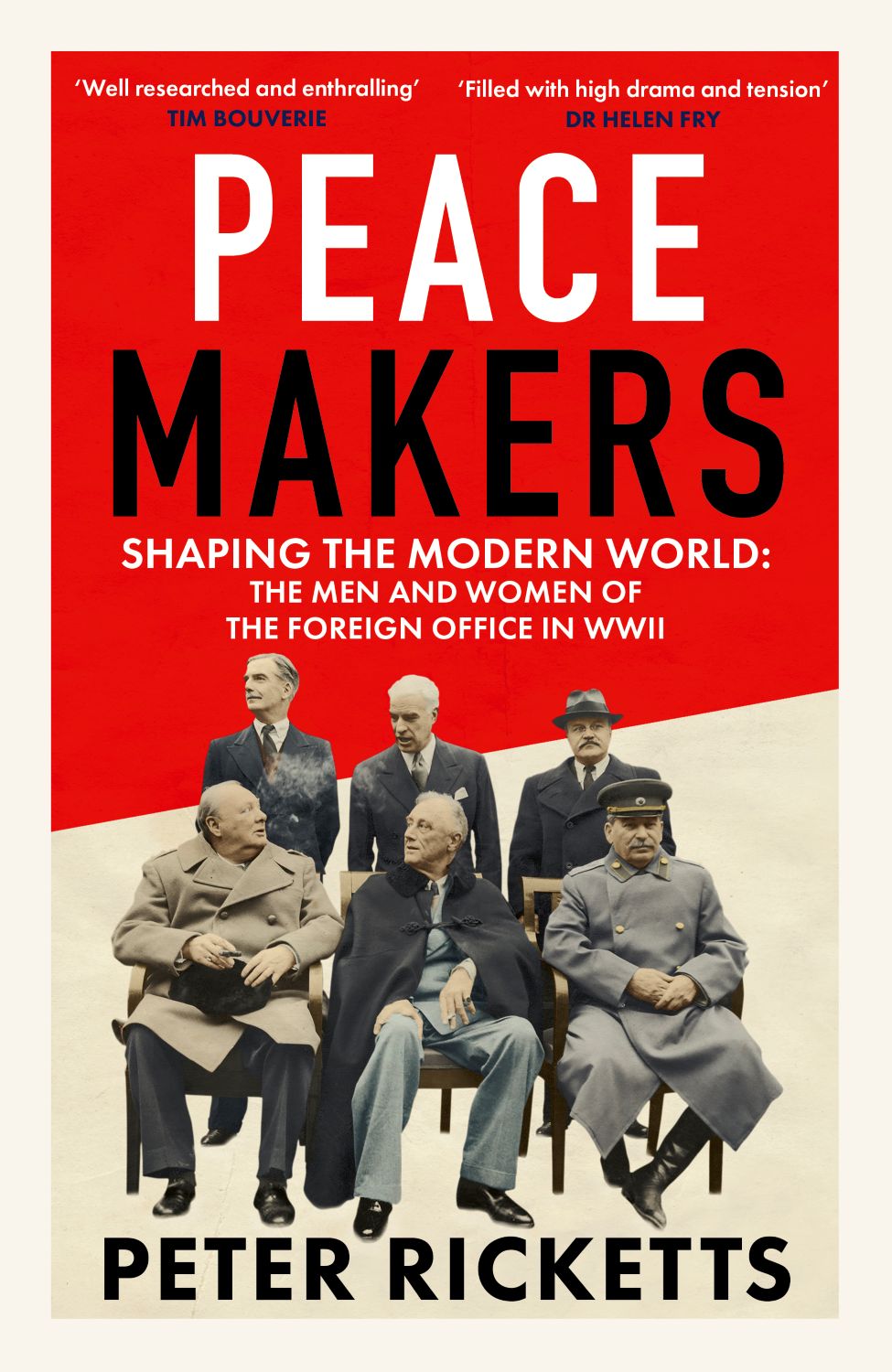 Finishing the book, my only sadness was that it left me desperately wanting more. In the final chapter, we canter through the establishment of the UN, and Nato, and the democratisation of Germany – all triumphs for British diplomacy. There must be a gold mine of stories of unsung heroes here, crying out to be heard. I hope Lord Ricketts can be persuaded to do another brilliant volume. While we wait for it, pack this for your holiday reading. You won’t put it down.
Lord Black of Brentwood is a Conservative peer
Peace Makers – Shaping the modern world: The men and women of the Foreign Office in WWII
By: Peter Ricketts
Publisher: Aurum
