'Frida: The Making of an Icon': Lord Vaizey on Tate Modern's record-breaking new exhibition
1951: 'Still Life (I Belong to Samuel Fastlicht)' by Frida Kahlo (Private Collection)
4 min read
An arresting exhibition exploring her enduring influence and appeal, the number of Frida Kahlo’s paintings on display may be limited – but this show more than demonstrates her range as an artist
I don’t want to stress you out or add to your already huge ‘To Do’ list, but you have to buy a ticket to Frida Kahlo at Tate Modern this weekend. It’s turned out to be Tate’s biggest selling exhibition in its history, at least as far as advanced tickets are concerned. It’s outsold David Hockney, the previous record-holder for almost a decade, and even Tracey Emin, whose blockbuster exhibition is currently on in the same place. As a trustee of the Tate, this makes me very happy.
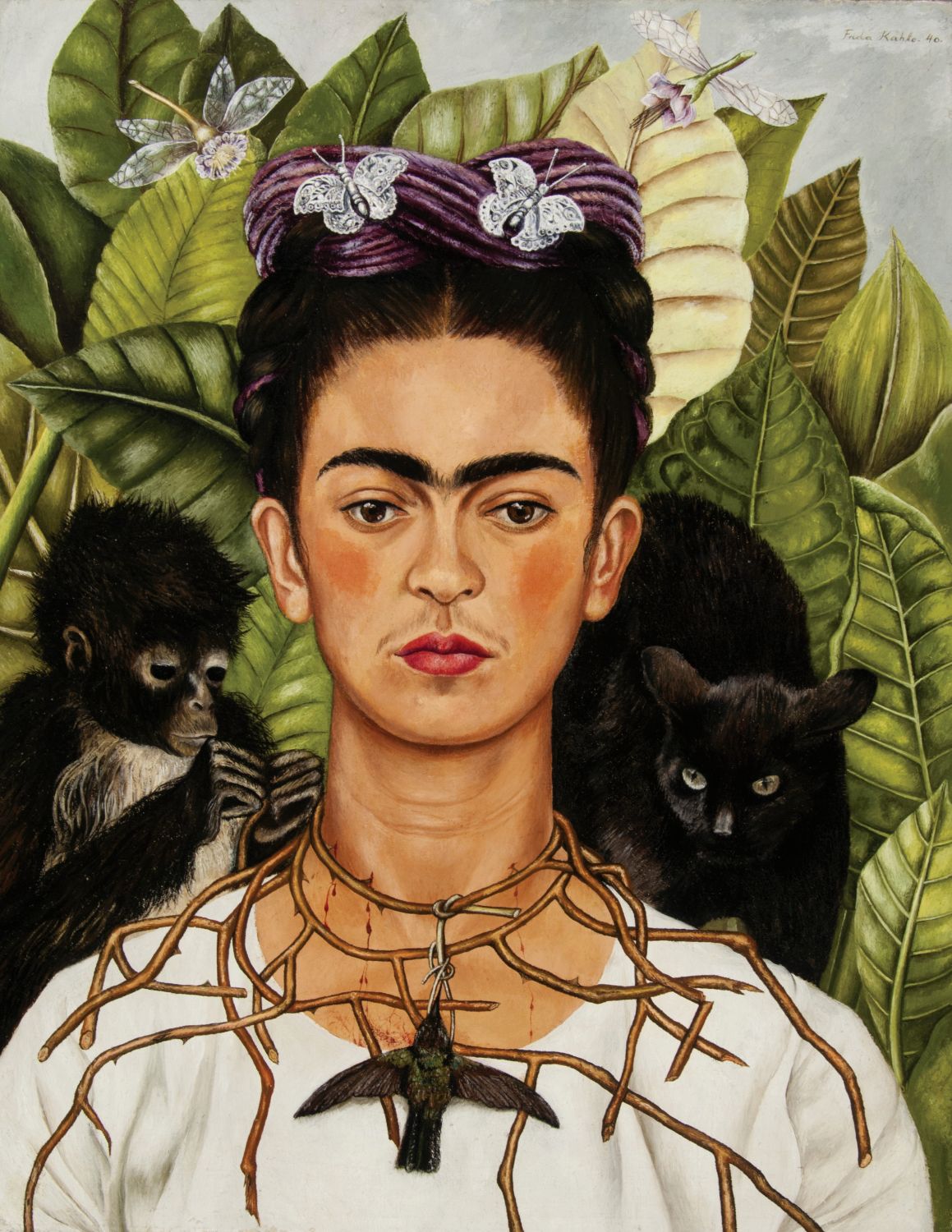 1940: 'Untitled (Self-portrait with thorn necklace and hummingbird)' by Frida Kahlo | Image courtesy of: Nickolas Muray Collection of Mexican Art
What is it about Kahlo that seems to grip the imagination of the British public? She’s Mexican. She died in the 1950s, before she was 50. She was the wife of the great Mexican muralist Diego Rivera, and to an extent lived in his shadow. While she received some recognition in her lifetime – including high-profile shows in New York and Paris – and the respect of surrealist artists who embraced her work, she never achieved a substantial breakthrough while alive.
Today, however, she is regarded as one of the greatest artists of the 20th century. A Frida Kahlo self-portrait is instantly recognised, and her iconography has inspired artists across the world. “Fridamania” is now a thing, and has grown since the 1980s into what it is today.
Much of this is to do with Frida’s story. Her emergence into the limelight is part of the welcome movement to reclaim female artists and give them the prominence they deserve.
One of my favourite exhibits is not a Kahlo at all. It’s an arresting portrait photograph of the artist Tracey Emin, dressed as Kahlo
She also struggled throughout her life, first with polio, which she contracted when she was 13, and then with the debilitating impact of bus accident when she was 18, which left her with life-changing injuries. She was also highly individualistic, painting herself and her friends, reclaiming Mexican heritage and displaying her fluid sexuality. As a result, she has become a hero to many people, who admire someone who refused to compromise with the mores and conventions of her time.
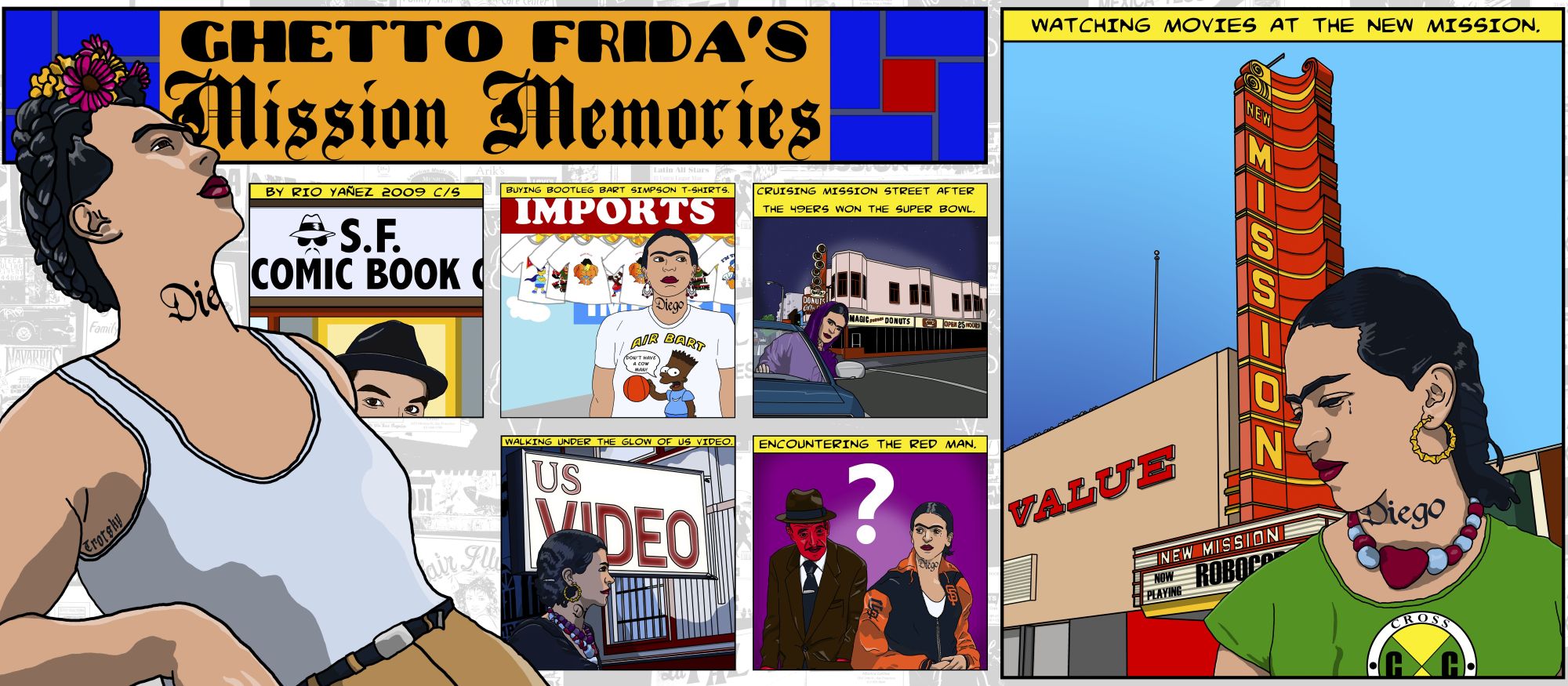 2009: 'Ghetto Frida's Mission Memories' by Río Yañez | © Río Yañez
Kahlo painted perhaps 150 to 200 paintings during her career, and as she has been embraced by Mexico as part of its cultural heritage, few come up for auction, and few are in collections abroad. As a result, the Tate exhibition has managed to amass only about 20 paintings for the show, which is nevertheless a respectable amount and more than shows her range.
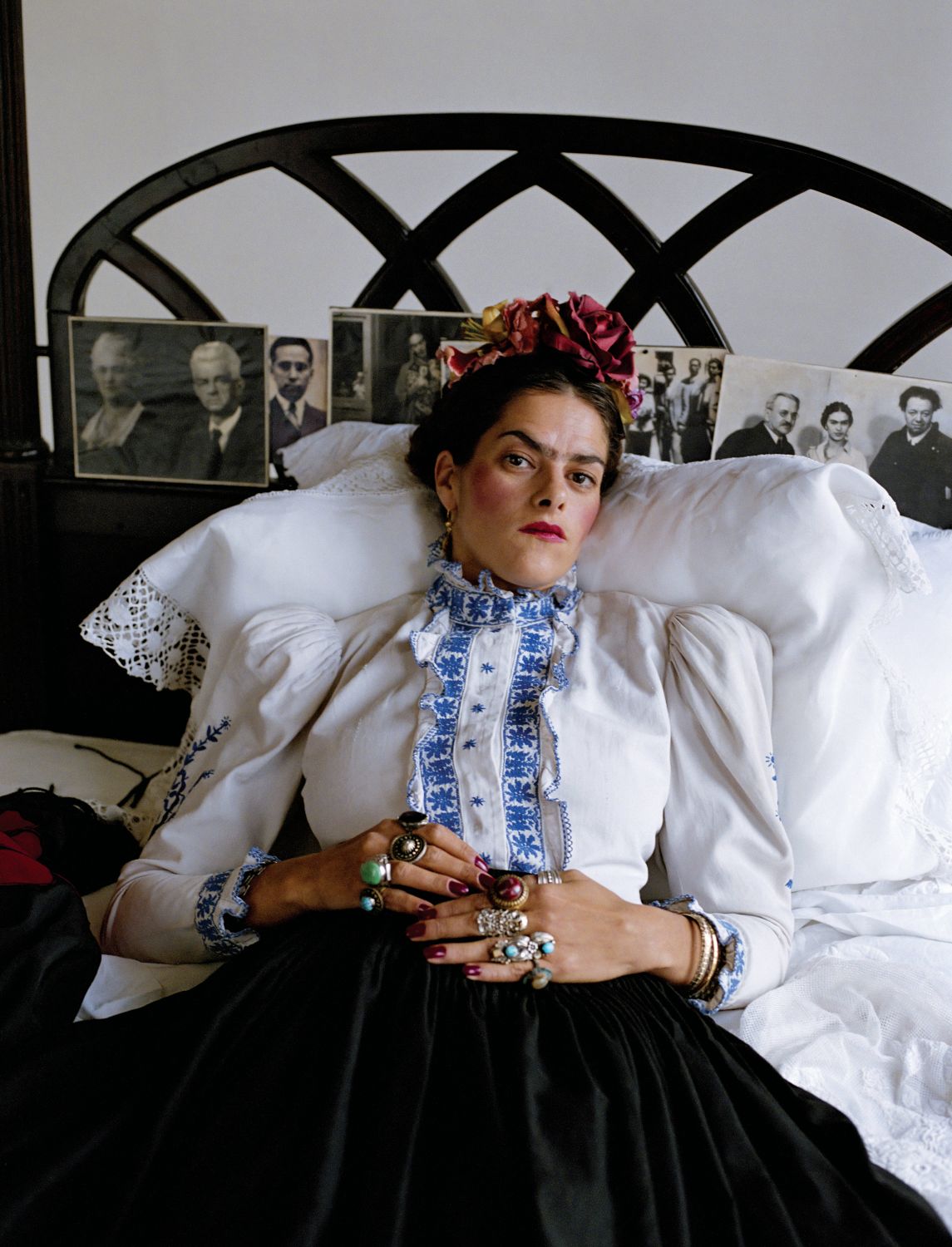 2000: 'Being Frida' – Tracey Emin photographed by Mary McCartney | Image ©: Mary McCartney
There are also many of Frida’s dresses, celebrating Mexican heritage, which caused a sensation when she visited New York in the 1930s. An equal amount of space is given over to the work of many of the artists that inspired her, illustrating her enduring influence from the 1970s onwards. Ironically, one of my favourite exhibits is not a Kahlo at all. It’s an arresting portrait photograph of the artist Tracey Emin, dressed as Kahlo, lying on a bed, staring disapprovingly at the camera, in a picture taken by Mary McCartney.
I love the fact that Tracey and Frida are exhibiting side by side, and to add to your To Do list, why not buy a ticket for both?
Lord Vaizey is a Conservative peer
Frida: The Making of an Icon
Curated by: Tobias Ostrander, Estrellita B Brodsky and Beatriz García-Velasco
Venue: Tate Modern – until 3 January 2027
