Exposing the real guilty party: Lord Sewell reviews 'Reparations'
London 1840: World convention of the British and Foreign Anti-Slavery Society | Image by Alamy / CPA Media Pte Ltd
4 min read
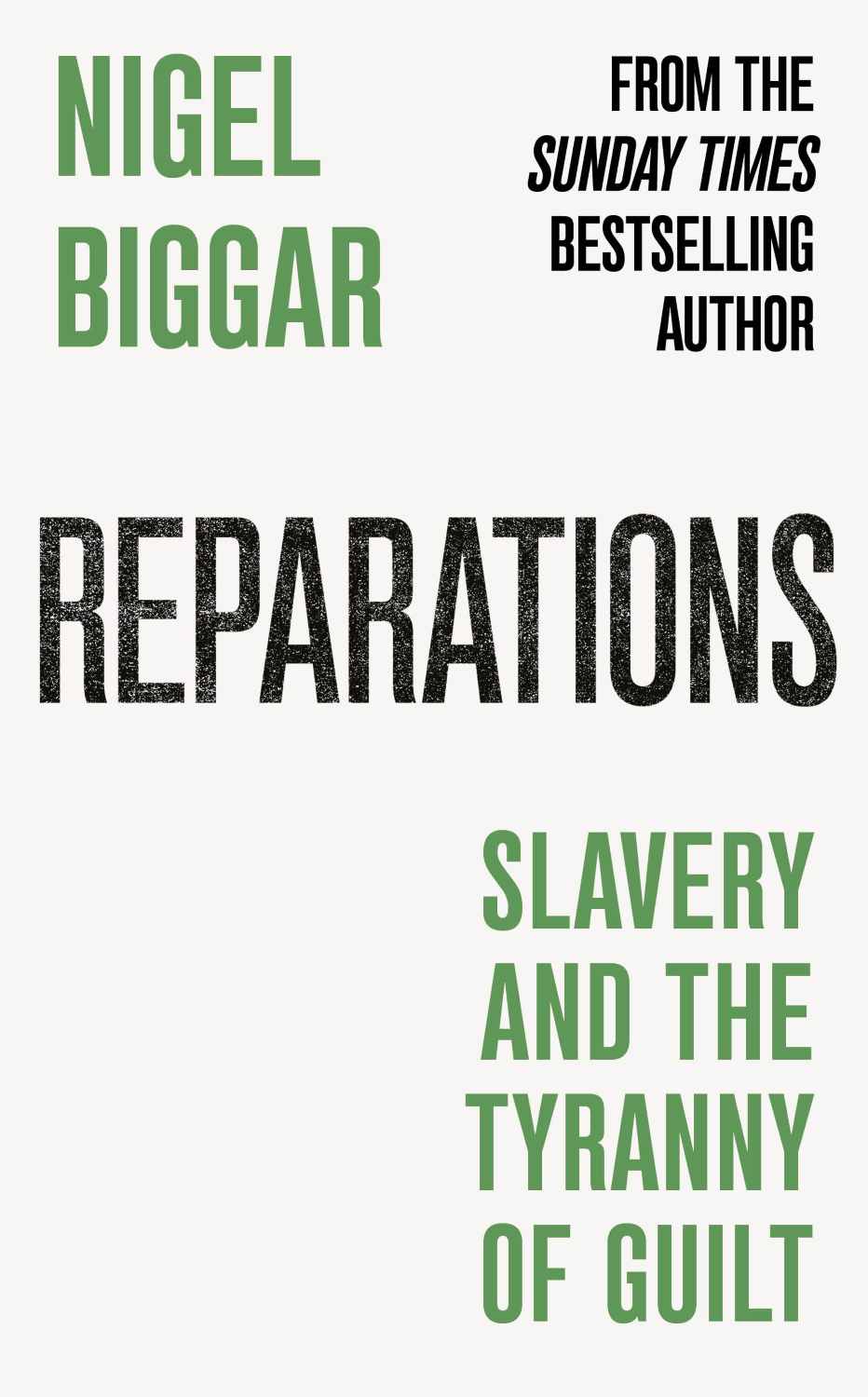
In his excellent book full of hard truths, Lord Biggar robustly deals with the spurious case for slavery reparations
There has been a recent upsurge from academics, activists and international lobby groups, trying to make Britain guilty of the past wrongs of transatlantic slavery. Based on a range of spurious evidence, one group reckons that Britain owes £29tn.
I sometimes wonder what my Jamaican ancestors who were victims of the evil trade would have made of all this need for historic redemption. They probably would say to me, “take the cash, but make sure you keep your head down”. However, they would have been angry at the way activists have used their suffering to make links to unrelated current problems or generate a false or imaginary guilt to receive compensation or reparations.
In his excellent book Reparations, Nigel Biggar argues robustly that the economic success of transatlantic slavery has been overestimated: it was not the power driver behind the wealth of empire – that, rather, was the forces of industrialisation and inventiveness.
Biggar, like me, refuses to give any apology to the evil of slavery and its significant legacy. However, the reparations movement has become something like the selling of corrupt medieval indulgencies where priests got paid for pardoning the sins of their parishioners.
The book destroys the myth of a 19th-century white Britain living large and totally ignoring the plight of African slaves who were suffering on the plantations. The opposite was true, the country was a hotbed of anti-slavery activism. This ranged from poor factory workers to upper-class ladies in high places fundraising to have slavery abolished. Our nearest modern equivalent would be the green movement. The biggest campaigner was the church, particularly the Baptist movement and Quakers.
My ancestors will bless you for reading this great book
For Biggar, the British Christian lobby was the major factor in ending the trade and subsequently plantation slavery itself. However, today the Church of England is undergoing self-flagellation citing itself as guilty of amassing immense wealth on the back of slavery. Biggar shows that the claim was a false one and the church should be rejoicing in its role in campaigning for the abolition of slavery in the late 18th century.
When it comes to an obvious guilty party, Biggar points to an African elite that colluded with Muslim Arabs to undertake a cross-African slave trade that was longer and more violent than the British transatlantic trade. It is also clear that British slavery could not have been successful without the collusion of the great African kingdoms who sold their captives to the British and rarely ventured into the interior.
None of these hard truths will sit with those who want an emotional narrative that leaves no agency for anyone who is black. For me, the powerful message in the book is why have we been left with so many lies and myths around slavery? The answer can be found in the narrative or songs of reggae superstar Bob Marley, who never mentions reparations in his lyrics or interviews.
 Like Biggar, he is not interested in the self-inflicted posturing of white guilt. He sees this as another power play, where the black victim can only be redeemed when the white colonist decides how much. It is in his most powerful Redemption Song that Marley sings, “None but ourselves can free our minds”.
He lands the redemption of slavery’s legacy not on the dubious contest of reparations but on the agency of those who are now emancipated. Jamaica’s slave legacy of violence gets resolved when the people embrace Marley’s philosophy of ‘peace and love’.
Biggar follows this Marley tradition by exposing the real guilty party: a patronising left-leaning arrogance void of moral integrity. My ancestors will bless you for reading this great book.
Lord Sewell of Sanderstead is a Conservative peer and author of Black Success: The Surprising Truth
Reparations: Slavery and the Tyranny of Guilt
By: Nigel Biggar
Publisher: Forum
