"A rattling good read": Baroness Deech reviews 'Battleaxe'
2003: Margaret Hodge meets children at a Sure Start centre, London | Image by: PA Images / Alamy
3 min read
Baroness Hodge pulls no punches in this enthralling and combative memoir
From refugee to national treasure in one generation, Margaret Hodge has rescued the description “battleaxe” from its usual pejorative association with tough old women and redefined it as a fighter for all that is good in British public life – and managed so with gratitude to those who helped her along the way, and with affection for her constituents, the “burghers of Barking”.
I’d be proud to be called a battleaxe myself. I started reading this book with some scepticism, maybe expecting some of the self-aggrandisement that can be found in political memoirs. But I was completely won over and enthralled by this well-written, combative and panoramic view of 50 years of the Labour Party and its internal battles.
It is also a groundbreaking account of the fight against tax avoidance and how Jewish politicians stood up to antisemitism. Margaret Hodge places herself in the centre-left drive to improve the lot of children – Sure Start is her baby – and the homeless, to root out corruption, gain equality for women and defeat the BNP.
I’d be proud to be called a battleaxe myself
My enthusiasm may be roused by the similarities I saw between her origins and my own, and those of some other first-generation Jewish peers. Her Jewish family were refugees from Egypt, where they had gone to escape the Nazis, and her presence here is a reminder that Jews were expelled, and worse, from most Middle East countries in the 1940s.
That history gives one the beliefs and strength to make life better, to speak out and to go against the crowd when necessary. It led her to fight against racism and antisemitism, and for women. She lived in Islington – there must be another book to be written about Labour residents of Islington – and she rose from councillor to MP – and most notably chair of the invigorated and feared Commons Public Accounts Committee – and then peer.
Her stand against Jeremy Corbyn’s failure to tackle antisemitism (nailing the Chakrabarti “whitewash”) and against corruption, especially Russian money laundering in the UK, is a work in itself. Her account also offers a rather disturbing insight into Labour factionalism, which at some stages consumed as much time as her achievements.
 She paints a grim portrait of how it was for women MPs in the 1990s, yet displays an irrational dislike of Margaret Thatcher and Theresa May. Depressingly, some of the issues Hodge thought had been settled are back in full force. Child poverty, the spiralling cost of benefits, packing boards with government favourites, frank talk about immigration, and Labour’s opportunistic anti-Israel policies. She pulls no punches: the antisemitism of Ken Livingstone, the politicians who backed away from tackling money laundering.
Battleaxe is a rattling good read. Hodge’s courage and persistence are admirable. She was deservedly elevated to a peerage and, at the age of 82, is herself a good argument for not throwing out the over-80s from the Lords.
I suspect there is plenty more to come from Baroness Hodge as she calls out corruption and antisemitism and turns her focus to the royal finances.
Baroness Deech is a Crossbench peer
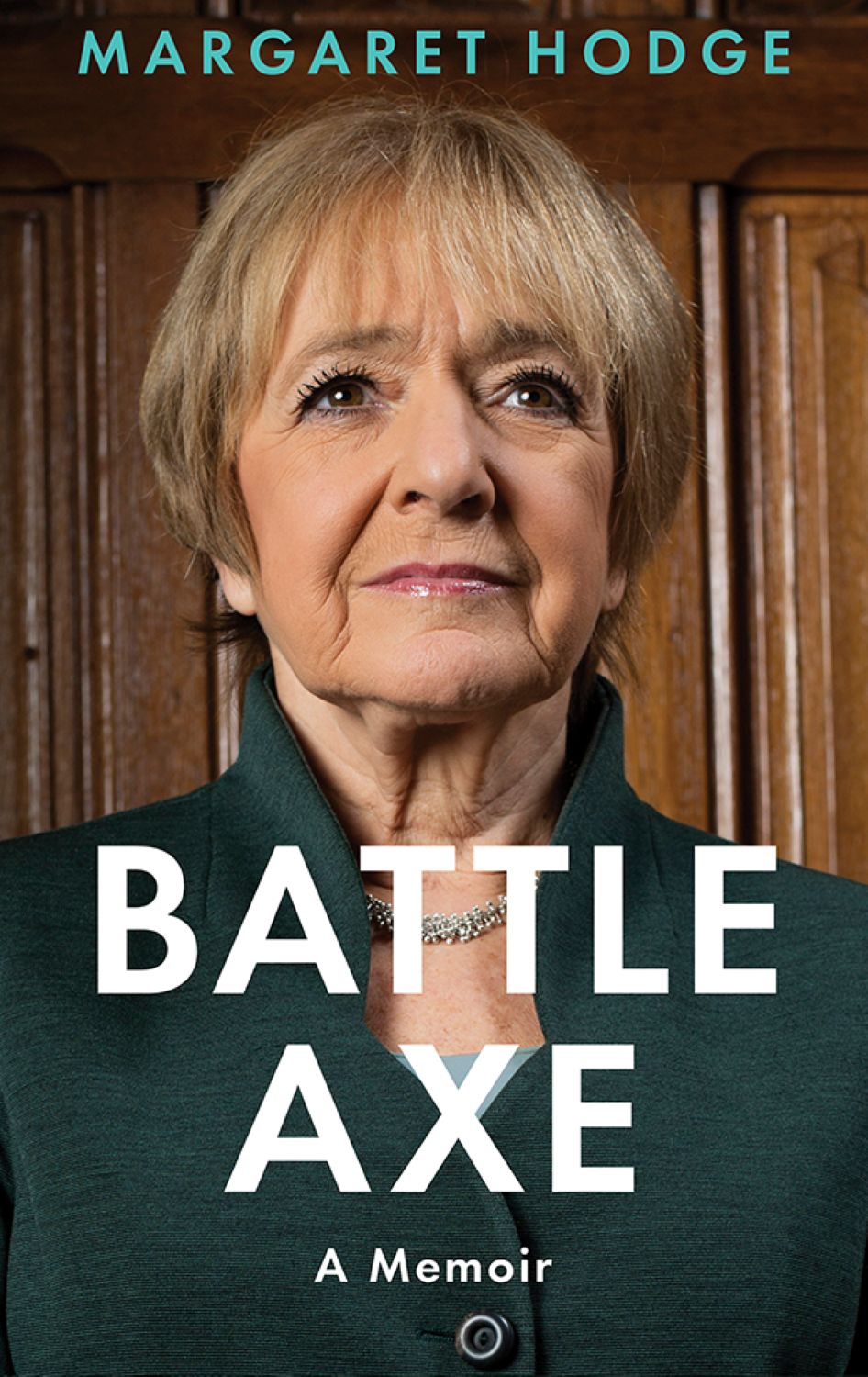
Battleaxe: A Memoir
By: Margaret Hodge
Publisher: William Collins
