"Played with breathtaking perfection": Lord Black reviews 'Elsinore'
Andrew Scott as Ian Charleson | Image: Anthony Dickenson | © 2026 FOCUS FEATURES LLC. ALL RIGHTS RESERVED
5 min read
Not your typical LGBT movie, this incredible story about the indomitability of the human spirit is both painful and uplifting to watch
Some years ago, I attended a lecture by an eminent HIV consultant at St Mary’s Hospital, Paddington, who talked about his medical journey since the early 1980s. “Back then – as the pandemic began – I had young man after young man turning up at my clinic,” he started (and they were mostly men then), “and all I could say to them was: ‘You’re going to die, but we will help you die with dignity and free of pain.’ Now the same young men come through my door and I say to them: ‘Look, this is a serious condition. But you’ll be fine and lead a normal life. You just have to take a pill every day from now on.’”
His personal journey over four decades underlines what a remarkable story the continuing conquest of HIV has been. We’re absolutely not there yet – there’s a long way to go – but we are within touching distance of being able to eliminate new transmissions. That we can even contemplate doing so without a vaccine or a cure is astonishing testimony to science, and to human ingenuity.
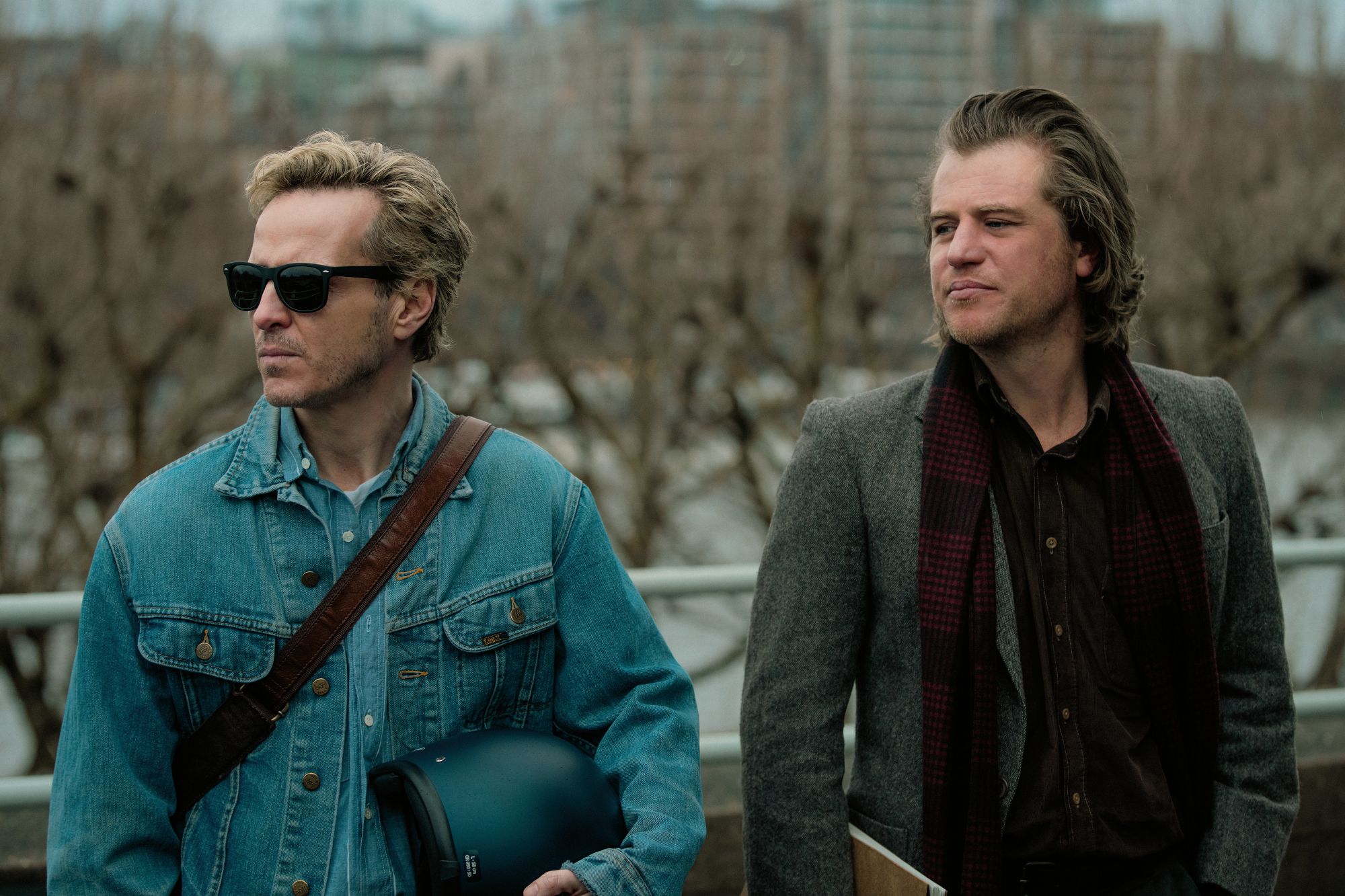 Andrew Scott as Ian Charleson and Johnny Flynn as Richard Eyre
Image: Anthony Dickenson | Focus Features/STUDIOCANAL © 2026 All Rights Reserved
Elsinore is set at the exact mid-way point of that journey in 1989 – seven years after the first cases of AIDS made the news (Terry Higgins died in 1982), and seven years before antiretrovirals arrived (1996). But it was a time still of desolation and despair – the early toxic drugs were not really working – when Ian Charleson, played with breathtaking perfection by Andrew Scott, became perhaps the first high-profile, public victim of the crisis.
It’s important to recognise what this extraordinary, powerful and painful film is not.
It is not a typical LGBT movie, set in gay bars and cruising areas; and, indeed, most of Charleson’s strongest relationships are with straight women.
Nor is it a political movie – the trap into which some forerunners have fallen. Although it is set at the time of Section 28, and the end of president Reagan’s controversial tenure (as far as public health was concerned) in the White House, politics and campaigning impinge not at all on the narrative. It is all the better for it.
Oscar speculation has understandably already started
And it is never mawkish. We know how Charleson’s story must end, but this is a film bathed in sensitivity and – often – great humour. (“What about urine?” Ian Charleson is asked by his consultant during an examination. “I’d prefer tea,” he replies – one of many bons mots that leaven the plotline.)
What this movie is, however, is an incredible story about the indomitability of the human spirit. Scott puts a degree of energy into the final scenes where Ian Charleson is battling debilitating, terminal illness every night to go on stage to perform Hamlet – his life’s ambition – which is simultaneously achingly painful and deeply uplifting to watch. And it is a very tender movie, too: the scene where Charleson bravely tells his parents both that he is gay and that he is dying is one of the most moving I have ever seen.
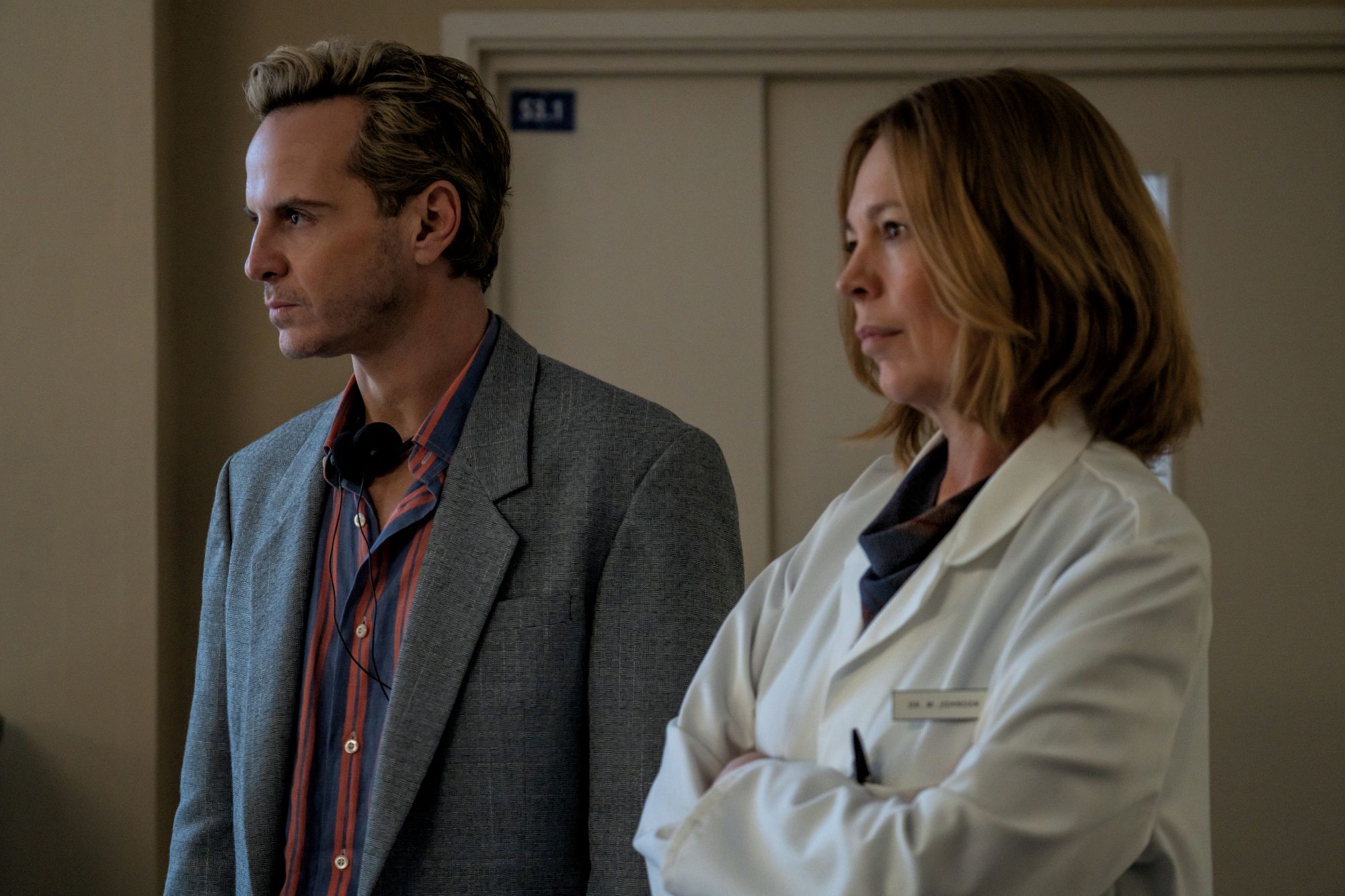 Andrew Scott as Ian Charleson and Olivia Colman as Margaret Johnson
Image: Anthony Dickenson | © 2026 FOCUS FEATURES LLC. ALL RIGHTS RESERVED
Perhaps one of the most overwhelming, highly emotional themes of the movie is the debt all those who have ever been involved with, or touched by, HIV owe the health professionals who provided the most incredible level of care at a time of huge stigma and fear.
Individuals like the Royal Free’s Dr (now professor) Margaret Johnson (played by Olivia Colman) – a remarkable pioneer in HIV treatment who gave hope to hundreds of patients at a time when there was nothing to be optimistic about. (“She saves lives,” Charleson is told when referred to her.) Four decades on, this gigantic figure is still doing exactly the same job of saving and improving lives: the standing ovation she was given at the BFI’s London Film Festival where the premiere took place (and which I was privileged to attend) was richly deserved.
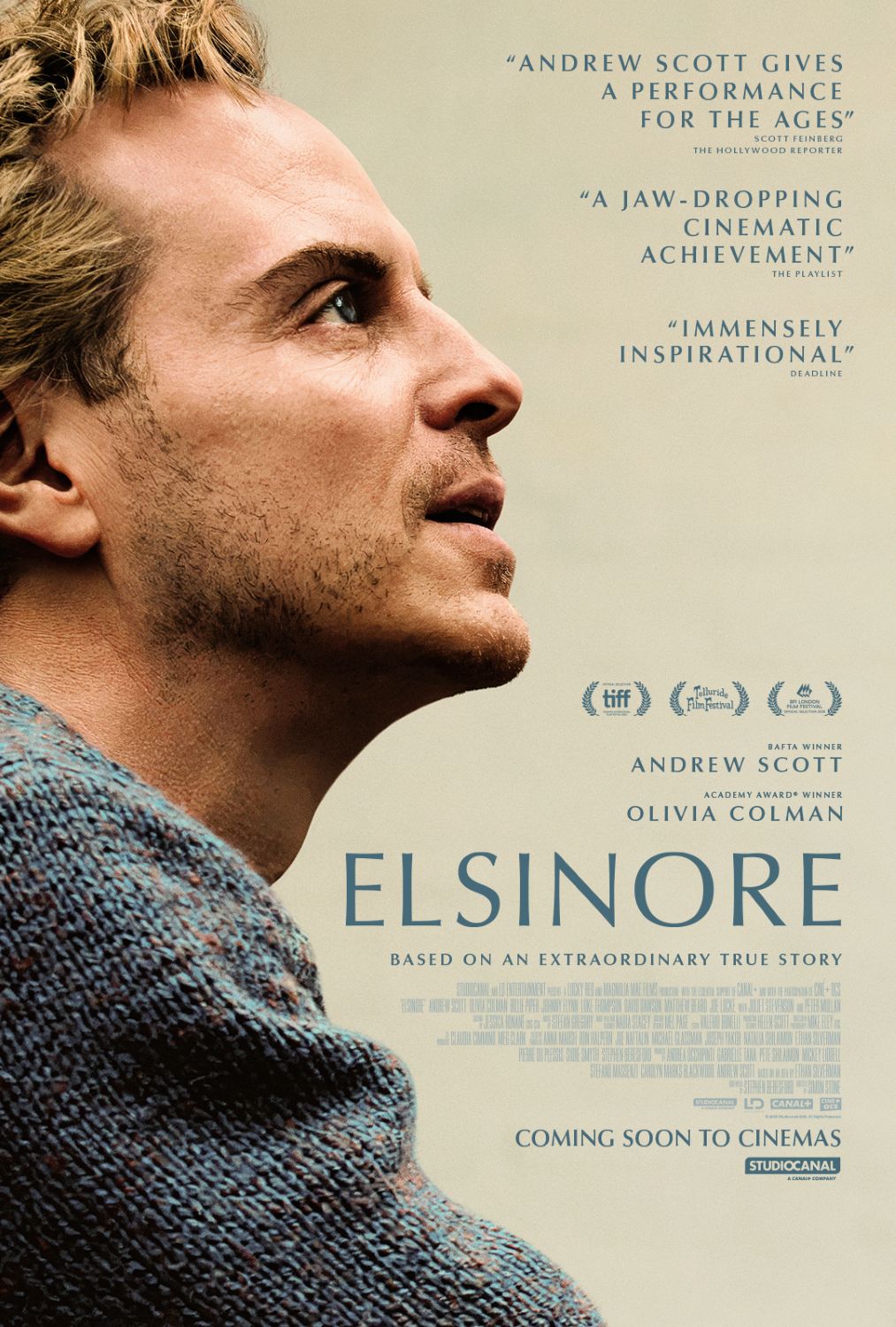 Oscar speculation has understandably already started about this movie. Whether it will make it, I’ve no idea. But Andrew Scott’s spine-tingling performance is one for the ages, and he (and the rest of the cast) deserve the plaudits heaped on them.
Now there is a job for politicians and Parliament to make sure that we achieve the goal of ending new HIV transmissions by 2030. Let’s do it in the name of Ian Charleson, “Good night, sweet prince.”
Lord Black of Brentwood is a Conservative peer and trustee of the Terrence Higgins Trust
Elsinore
Directed by: Simon Stone
Venue: General cinema release from 29 January 2027
