Home Secretary Drops Plan For Migrant Care Workers To Wait 15 Years For Permanent Settlement
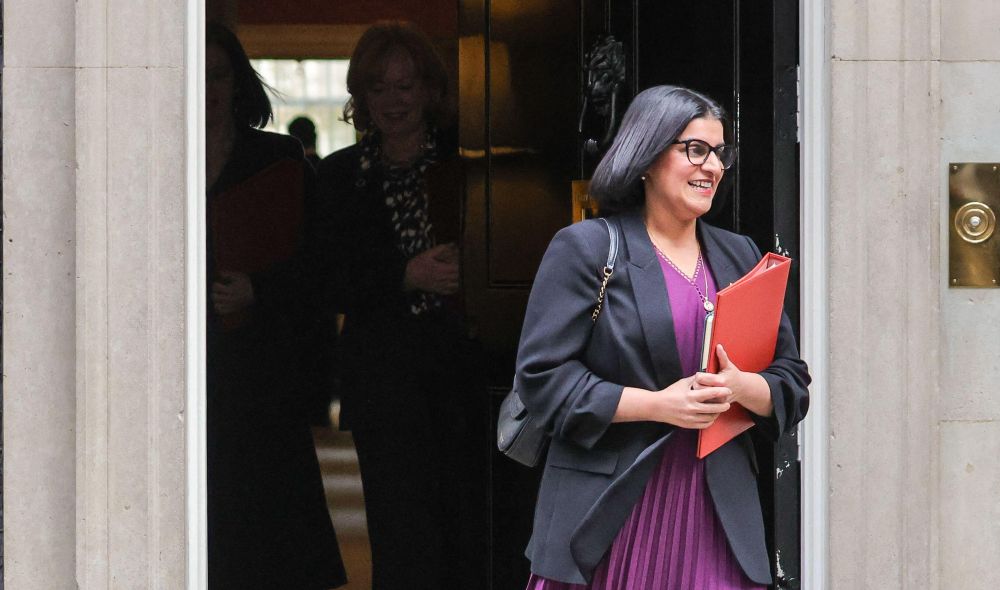
Shabana Mahmood arrives at a Cabinet meeting at 10 Downing Street. | (Alamy)
5 min read
Shabana Mahmood has shortened the time migrant care workers must wait before qualifying for permanent settlement following pressure from Labour MPs.
Speaking in the House of Commons on Monday, the Home Secretary said that up to 300,000 migrant care workers will be able to apply for indefinite leave to remain (ILR) after five years, provided they can demonstrate they have worked in the sector and arrived before May 2025.
An earlier version of the plans would have extended the wait to 15 years.
However, the Labour government had been warned about the impact that proposal would have had on the care sector, which relies heavily on overseas workers.
Mahmood also announced a further five-year visa to care workers who have failed to meet the conditions of their existing visas. They account for about a quarter of those who arrived between 2022 and 2025, and will be given another opportunity to qualify for settlement.
Addressing MPs, she said the revised plan was a “fair solution” which recognised the contributions of foreign care workers while tackling abuse of the care visa route.
The proposals are part of an overhaul of the immigration system, which Mahmood said would be determined by an individual's contribution to the UK rather than simply the length of time they had lived in the country.
She announced that low-skilled migrant workers earning less than £50,000 would have to wait ten years before becoming eligible for permanent settlement.
A five-year route will remain open to higher earners on salaries above £50,000 and those working in health and education, including doctors, nurses and teachers, as well as refugees who arrived in the UK via safe and legal routes.
Those making what Mahmood described as an “exceptional contribution”, earning more than £125,000, will be eligible for an accelerated three-year route.
The Home Secretary also said that people who enter Britain through illegal routes and do not work or study will face a 30-year wait for permanent settlement.
Those who arrived by illegal routes but are working or studying will face a 20-year wait.
Mahmood first announced changes to the rules in November under the previous prime minister, Keir Starmer.
However, since then, she has come under pressure to soften the changes from Labour MPs who argued that they were unfair.
While the Home Secretary has agreed to relax rules for overseas care workers, she has not removed the retrospective element of the proposals despite being urged to do so by some Labour backbenchers.
The retrospective element means that the updated rules will apply to people already in the UK.
Diane Abbott, Labour MP for Hackney North and Stoke Newington and a leading figure on the party's left wing, has said the changes risk creating another Windrush scandal.
“You can come in legally, you can work legally, and then have your residency rights turned upside down. How can that be fair?” she said in the House of Commons this afternoon.
Mahmood said the new system would judge an individual's contribution not only by their financial input but also by their work in public services.
“This contribution is judged crucially, not just financially, but also in terms of public service,” she said.
She also claimed the reforms would reduce welfare spending by “billions of pounds”.
The changes have drawn criticism from the Conservatives and Reform UK, who accused Mahmood of watering down her proposals under pressure from Labour's left.
Responding to Mahmood in the House of Commons, Shadow Home Secretary Chris Philp said the government would continue to rely on "mass low-skilled immigration" under the revised plans, describing the Home Secretary's announcement as a "u-turn".
Mahmood said some people would not be affected by the changes, including Hong Kong British nationals, overseas members of our armed forces, those with a British connection and those on legacy routes such as Windrush.
Victims of domestic abuse who come to the UK will remain eligible for immediate permanent settlement, she confirmed in a response to Labour MP Jess Phillips.
Refugees will also be allowed to access ILR more quickly, after 10 years instead of 15, if they work or study.
Under the new rules, migrants with a criminal record, those who fail to demonstrate a high standard of English, have outstanding debts, or have not paid National Insurance contributions for three years will be automatically disqualified from settlement.
Those who breach immigration rules will see their qualifying period extended to 20 years. Migrants who have claimed benefits must also demonstrate five consecutive years without relying on the state before applying.
Mahmood said the reforms would be guided by the principle of “fairness”, drawing on her own family's experience of settling in Britain.
“The question of fairness matters to me because it matters to my family. Over 50 years ago, my parents came to this country from rural Kashmir,” she said.
“They came here knowing one thing above all else – that they would be treated fairly here. They came from a place where power was often arbitrary and where the dice were always loaded. They came to this country because they knew we do things differently here, and that we value above all else fair play.”
