A film which captures the essence of its subject: Gordon McKee reviews 'Tony'
Michael Jibrin as Tyrone, Dominic Sessa as Anthony Bourdain, Antonio Banderas as Ciro and Stavros Halkias as Dimitri | Image by: Seacia Pavao / © A24 / Courtesy Everett Collection / Alamy
4 min read
Less about the taste of the food than the warmth of the kitchen, 'Tony' succeeds in illuminating more about Anthony Bourdain’s character than any gastronomical analysis ever could
The concept of a celebrity chef is, when you peel the layers away from it, a bit strange. They have become a mainstay of our culture despite almost none of us having eaten a meal actually prepared by one.
These people exist in our public consciousness not so much because of their culinary skill (though clearly that is a prerequisite) but because a handful of them have become chroniclers of the human condition.
No chef better fits that description than Anthony Bourdain, the subject of Tony.
The film wisely avoids trying to grapple with Bourdain’s life story.
Instead, it focuses on a summer in which he matures from delinquent boyhood, finds a passion within him and moves from an aspiring writer to a trainee chef.
You might imagine therefore that your cinema ticket would admit you to watch a portrait depicting a love affair with food.To Tony’s credit, it doesn’t.
It isn’t until near the end of the film before you get the first full sight of a carefully prepared meal. More time is spent washing dishes than plating up.
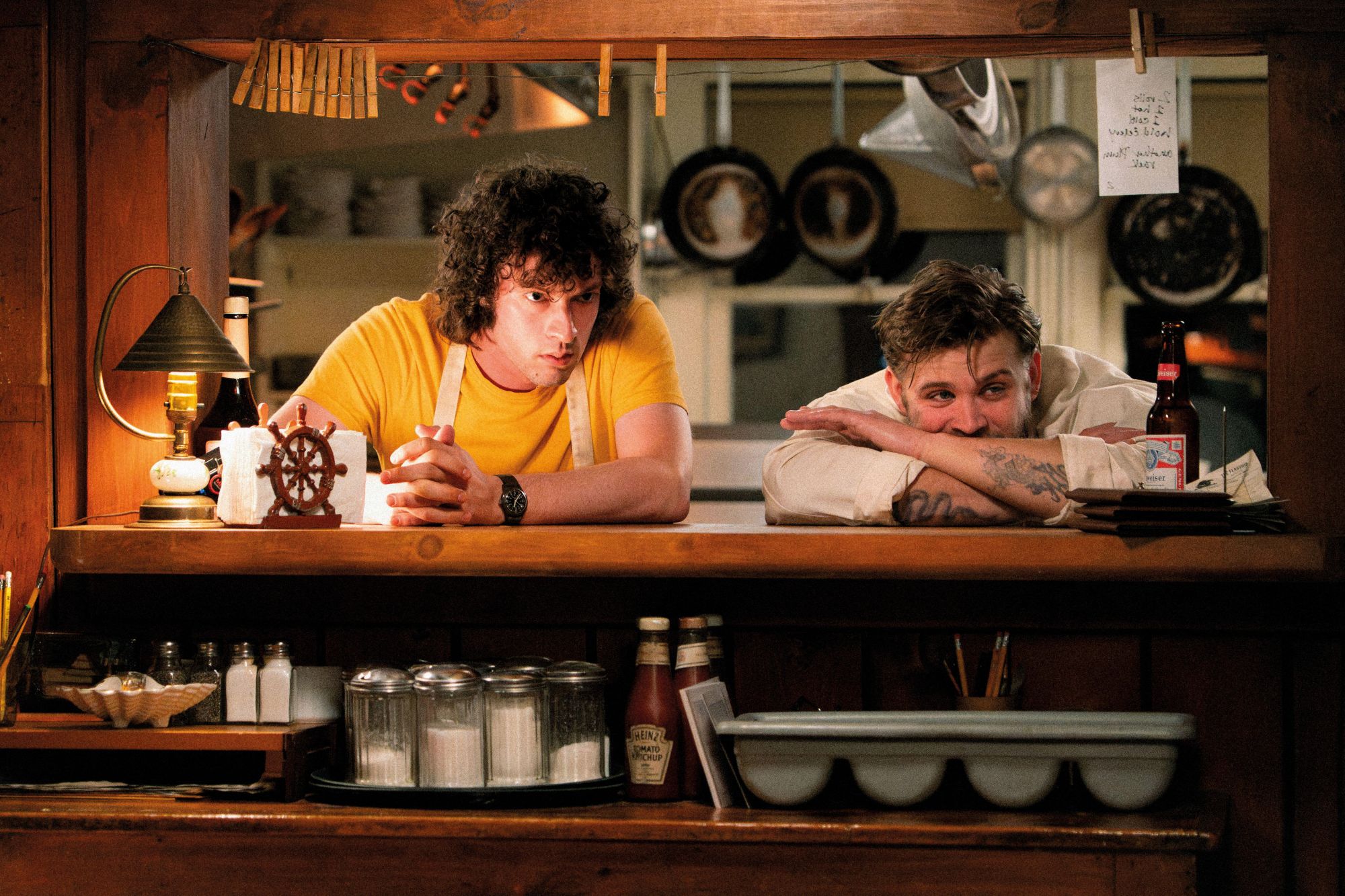 Tony and Sal: Dominic Sessa and Leo Woodall | Image by: FlixPix / Alamy
The film shows a young Anthony Bourdain falling in love with the kitchen not because of the contents of the stove but the melting pot of personnel preparing it.
Community, the sense of human togetherness that food brings, runs through the film’s 106 minutes.
From the traditional family meal to the band of chefs dining on the day’s leftovers, Tony captures the ability of a meal to bring people together.
In doing so, it illuminates more about Anthony Bourdain than any gastronomical analysis ever could.
He was a man who thrived on interrogating the human spirit, something I discovered soon after I was elected, while preparing my maiden speech. Bourdain summarised my own city of Glasgow as the most bullshit-free place on earth, unapologetically working-class and attitude-free.
It is typical of his observations – spotting the character of the people, not the place.
Humanity is, of course, not all lobster soufflé and white wine.
The movie offers up more violence than viewers might expect from a chef’s biopic
In The New Yorker essay that shot him to fame, Bourdain observed the “powerful strain of criminality” in the restaurant business.
There is nothing more antithetical to community than crime, and Tony displays the tug of war between those opposite colours of humanity.
The movie offers up more violence than viewers might expect from a chef’s biopic and references Bourdain’s struggle with drug abuse through his relationship with the chef Sal, played by Leo Woodall.
Bourdain famously wrote in Kitchen Confidential that “there is no lying in the kitchen”, referring to a cook’s ability under pressure, but there is plenty of lying in Provincetown, the film’s setting.
Nancy Putkoski is portrayed well by Emilia Jones, although if I’m honest the love interest is the one part of the film that feels slightly flat. But that slightly inconsistent side does little to dampen the experience.
The idyllic setting of Cape Cod adds to the nostalgic feeling of an adolescent summer – the period when the adult you are going to become first begins to emerge.
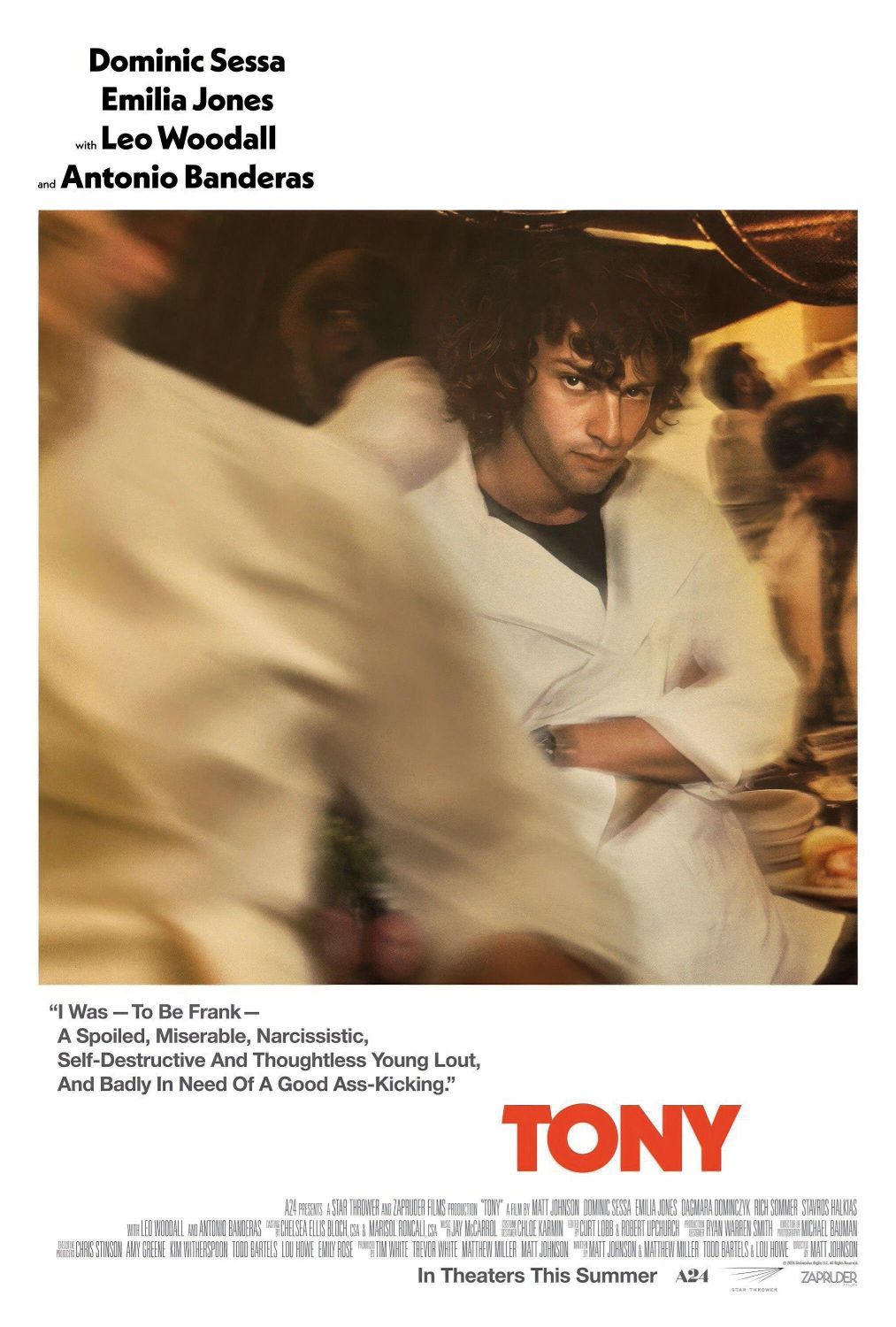 That is why Tony works so well. It’s not a film about a young man discovering food but one about a young man discovering people: their camaraderie and cruelty; appetites and addictions; honesty and deceit.
In a way, it encapsulates the essence of a celebrity chef. Almost none of us have ever tasted anything cooked by Anthony Bourdain. That’s not why he captivated millions around the world.
We watched Bourdain because he understood the most interesting thing about a meal is usually not what is on the plate but the people sitting around the table. Tony understands that too.
Gordon McKee is Labour MP for Glasgow South
Tony
Directed by: Matt Johnson
Venue: General cinema release
