"An intensely personal study": Lord Wallace reviews 'Cromwell: Parliament’s Crusading Politician'
Westminster: 1899 statue of Oliver Cromwell | Image by: PjrStatues / Alamy
4 min read
Rich in fascinating details, committed Cromwellian Lord Naseby has produced a sympathetic portrait of the parliamentary commander
Michael Morris is such a committed Cromwellian that he took the greatest civil war victory as his title when he was nominated to the Lords. As the last sentence of his new book firmly declares, “Oliver Cromwell has always been and will continue to be the guiding inspiration for my entire political life.”
This intensely personal book identifies with Cromwell’s life, faith and hard choices, and seeks to understand them by imagining the difficult decisions that he faced at repeated points in his career, using Lord Naseby’s own lifetime experience as a politician and parliamentarian as comparison. The parallels in their careers, he writes, “lend me, I feel, a truly unique and special perspective” on Cromwell.
Naseby is 14 miles north of Northampton, which Michael Morris represented in the Commons as a Conservative MP for 23 years. After the eponymous battle in 1645, many of the wounded from both sides were treated in churches within his constituency. The author has studied the places Cromwell lived and worked as well as the battlefield, and became patron of the Naseby Battlefield Project Trust.
Naseby is keen to emphasise that Cromwell had been a tenant farmer, civilian and MP until fighting broke out in 1642 – and so it was that, at the age of 43, he and many others were charged with raising troops. His puritan faith, his concern for his men and his involvement in creating the New Model Army, made him a leading commander when others were prevaricating over further offensives against King Charles I. The cavalry charges he led, above all at Naseby, gave him the authority to deliver a firm message to a hesitant Parliament and later to become the ruler of England.
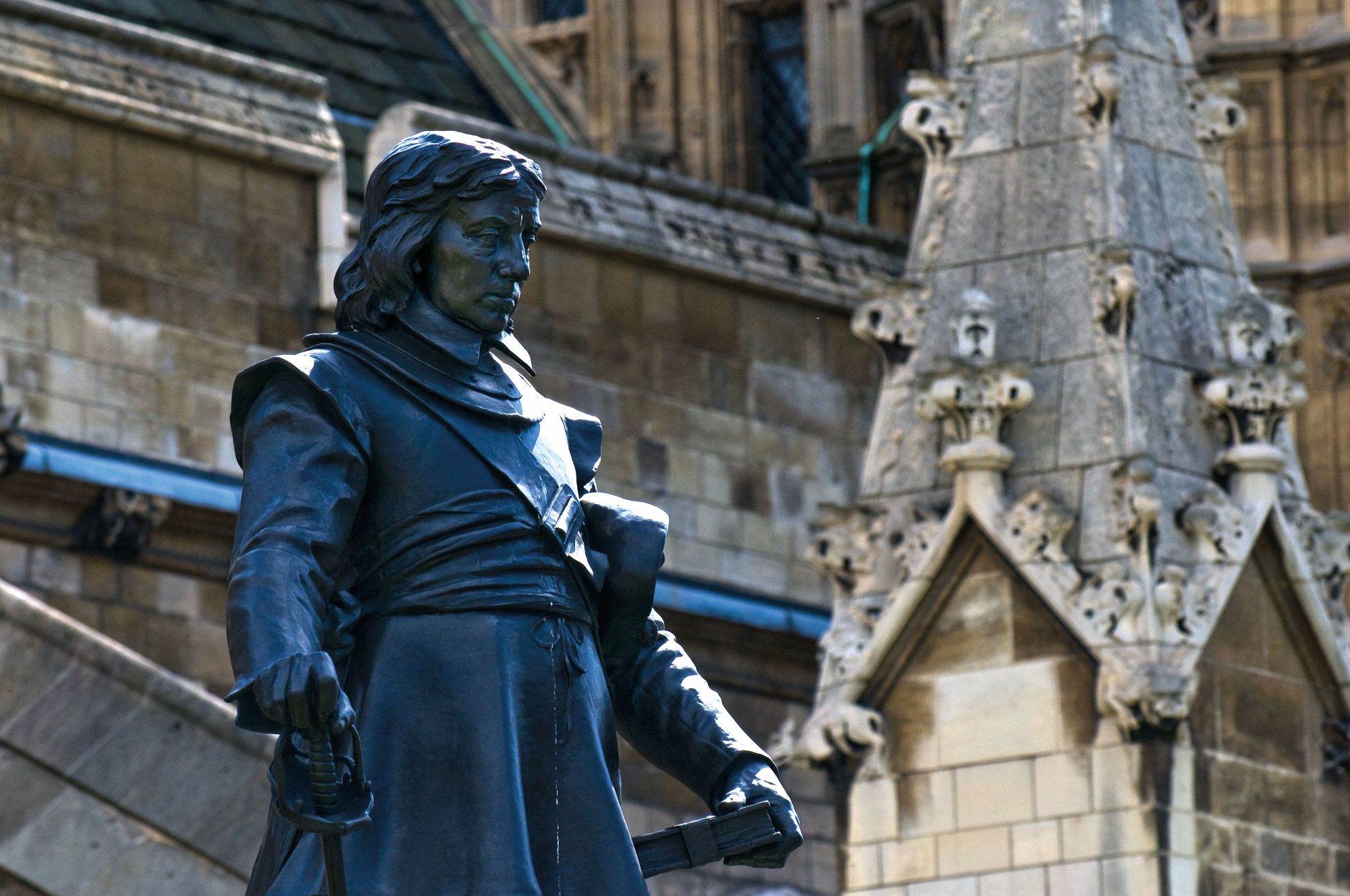 The 1899 statue of Oliver Cromwell was unveiled outside Parliament at 7.30am 'to avoid the risk of Irish protests'| Image by: Gordon Scammell / Alamy
As late as 1894, Conservative MPs voted with Irish members against funding a statue of Cromwell outside Parliament
The core of the book covers the years 1642-49, in which Cromwell is transformed from a backbencher to the commander and defender of the army and the dominant personality in the parliamentarian camp. The description of his activities, dashing from Parliament to take command in suppressing a royalist surge in Wales, then another in Scotland, then back to Westminster to defend the army against proposals to disband many regiments, demonstrated both his determination and his stamina. But Naseby considers it a mistake for Cromwell to have agreed to lead the Irish campaign in 1649, spending six months in bitter fighting rather than shaping the constitutional order for the new Commonwealth.
Naseby’s admiration for Cromwell rests upon his understanding of him as a democrat and a believer in liberty of conscience, and a key figure in the development of our parliamentary democracy. In this he stands out from his party’s tradition; the Tories were royalists and Anglicans. As late as 1894, Conservative MPs voted with Irish members against funding a statue of Cromwell outside Parliament to mark the 300th anniversary of his birth, triggering the collapse of Lord Rosebery’s Liberal government.
 Naseby does not mention that Lord Salisbury then allowed Rosebery to fund the statue himself, though it was unveiled at 7.30am to avoid the risk of Irish protests.
There are a number of other fascinating details in Naseby’s study. We learn that the parliamentary term ‘the other place’ (used in the Commons Chamber when referring to the Lords) originated from Cromwell’s attempt to re-establish a Second Chamber. And that after Charles II sailed back to England on the naval ship Naseby, it was shortly thereafter renamed the Royal Charles.
A staunch parliamentarian throughout his life, Michael Naseby’s book makes plain that he would have fought alongside Cromwell in that cause.
Lord Wallace of Saltaire is a Liberal Democrat peer
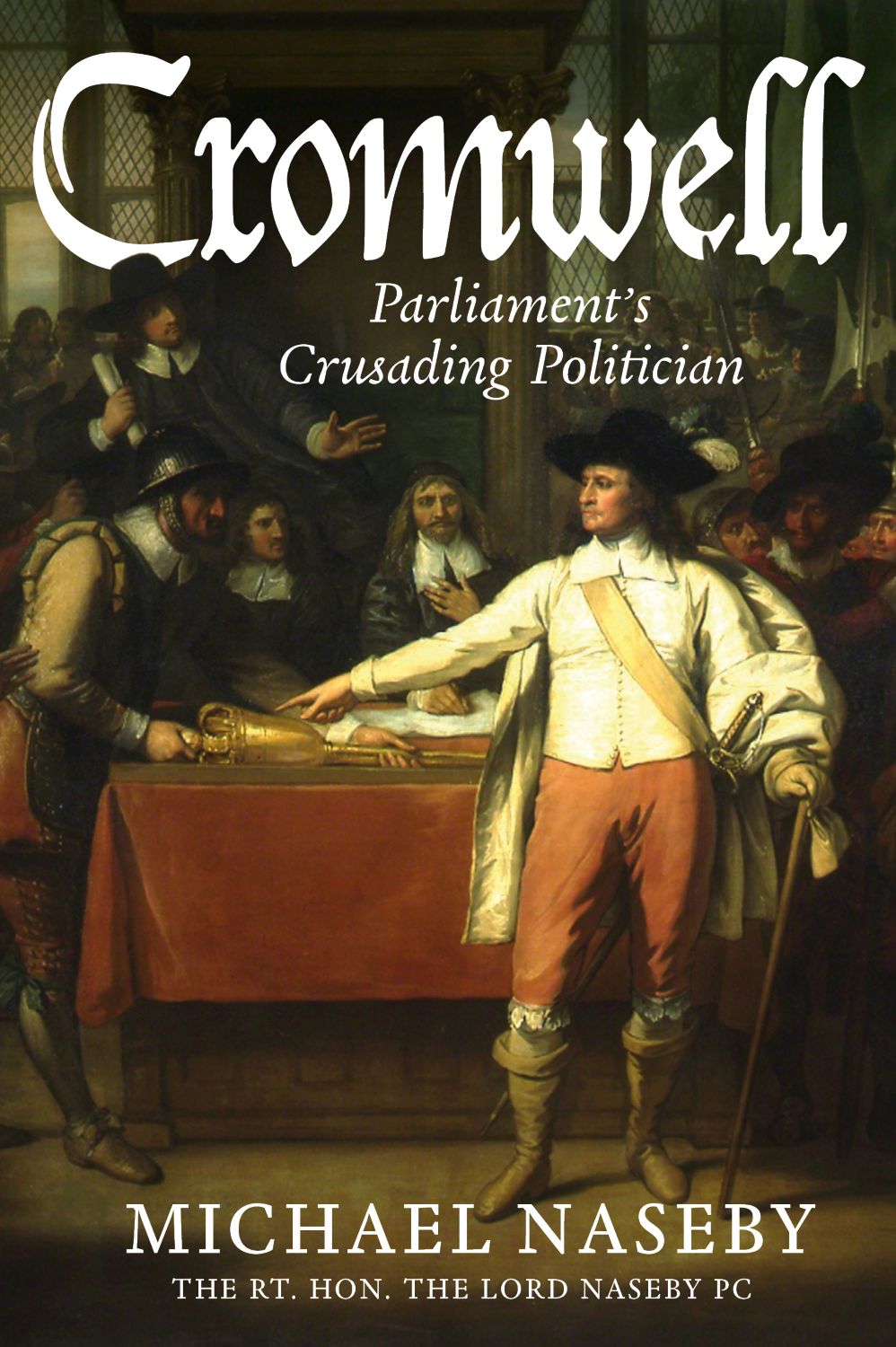
Cromwell: Parliament’s Crusading Politician
By: Michael Naseby
Publisher: Unicorn
