Green Party Explores Ways To Revisit Zionism Motion Ahead Of Spring Conference
Green Party leader Zack Polanski gave a speech ahead of the Holborn and St Pancras by-election (Alamy)
5 min read
Senior Green figures are looking into ways of clarifying or revising the party’s controversial ‘Zionism is racism’ policy ahead of its spring conference.
In an interview with the BBC’s Laura Kuenssberg on Sunday, Green leader Zack Polanski said he was “not going to try and overturn” the motion, but wanted to amend it at the “first available opportunity”.
Polanski said the motion would stand until 2028, as under Green Party rules, a conference decision cannot be amended or overturned for two years after it was passed.
However, PoliticsHome understands that Green Party figures are currently discussing ways to address concerns about the motion over the next few months, including policy clarifications and changes to the party’s decision-making rules, following a widespread backlash and public criticism from party figures like former leader Caroline Lucas.
Deputy leader Mothin Ali wrote in HuffPost last week that he wanted the party to undergo a “four-month dialogue, reflection and democratic renewal exercise”.
Siân Berry, Green MP for Brighton Pavilion, agreed there should be a period of reflection and consultation to establish the party’s position and regain the trust of voters and members, telling PoliticsHome that she wants to see the party have proposals ready for spring conference in 2027.
“What Mothin has suggested is a period of reflection, a period of working and finding out what the party thinks,” said Berry.
“It is now for Zack to seize these trends of thought that we're all putting forward. It's things like citizen juries, periods of reflection, possible amendments that might add some clarity to the motion, pull it all together, and make sure we've got something in a package ready for spring conference.”
Berry is among the four Green MPs – out of five – who opposed the motion when it was put to a vote in Brighton earlier this month.
In addition to citizens' juries, PoliticsHome understands that ideas under discussion include wider consultations and surveys of members to inform possible future amendments clarifying the policy. It remains unclear whether a binding membership ballot could provide a route to changing the existing policy before 2028.
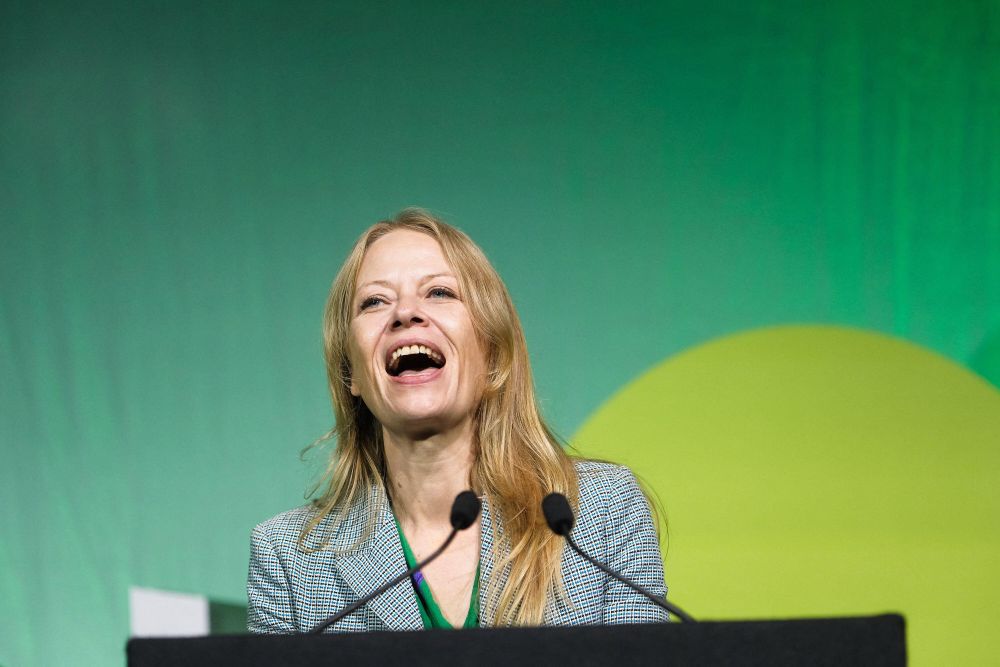 Berry told PoliticsHome that the party should aim to have "something in a package ready for spring conference" to clarify the controversial motion (Alamy)
Party figures hope that these consultations could go some way to addressing concerns around safeguarding of Jewish community institutions that identify as Zionist. An amendment to the original motion that was intended to protect members from pressure or disciplinary action because of their affiliation with such institutions was rejected at conference.
The motion that was passed at conference also stated there should be a single state throughout “historic Palestine”. Polanski told the BBC he thought that Israelis and Palestinians "should decide that future for themselves", and some party figures suggested that they were also seeking to clarify this element of the motion going forward.
There are also ongoing discussions around changes to the party’s decision-making rules, including whether its conference procedures could be revised to allow future motions to be amended more quickly.
A senior Green Party activist told PoliticsHome: “What's being discussed is other routes, like potentially an online ballot of all members [to change the policy], and whether the way conference makes policy needs fixing, so motions can be amended at spring conference.”
Green peer Baroness Natalie Bennett said the party had been examining its constitutional arrangements for “many years”.
“I would be on the record going back a decade or more with concerns about the accessibility of conference, which is our supreme decision-making body,” she told PoliticsHome.
The ‘Zionism is racism’ motion was passed at the Green Party conference through the votes of approximately 0.4 per cent of the entire party membership, with 1,022 voting in favour compared to 813 against.
“I'm hoping, and have an expectation, that we're going to look at some of those issues for spring conference,” Bennett continued.
“The party has grown enormously in a very fast period of time. These issues are not new, but to make sure that we have a voice from conference that really reflects a party that's four times the size of what it was, we're looking at dealing with those issues.”
James McAsh, the Green Party leader of Southwark Council who defected from Labour earlier this year, said Polanski was right to consider how the motion could be amended and the party’s policy improved, although he was unsure what routes were available under the rules.
“But when rules say something that maybe makes something difficult, it doesn't make it impossible," he said.
"And there's always a way to find a solution, so long as everyone's willing to work together on it."
McAsh said he wanted to see an improved policy that built on the party’s position during the May elections, when it had called out the genocide in Gaza and advocated a stronger position on Palestinian rights.
He added that the party’s position before this year's autumn conference had resonated with “hundreds of thousands of progressive voters across the country”.
Prime Minister Andy Burnham has said Labour will refuse to work with the Greens at national level as long as the motion remains in place and has instructed Labour councillors to withdraw from power-sharing agreements with the Greens if they do not disown it.
Lib Dem leader Ed Davey has ruled out a "national partnership with any party that is committed to a dangerous and antisemitic policy like the Green Party’s".
Additional reporting by Matilda Martin
