A treasure trove of social history: Baroness O’Grady reviews 'Iron Ladies'
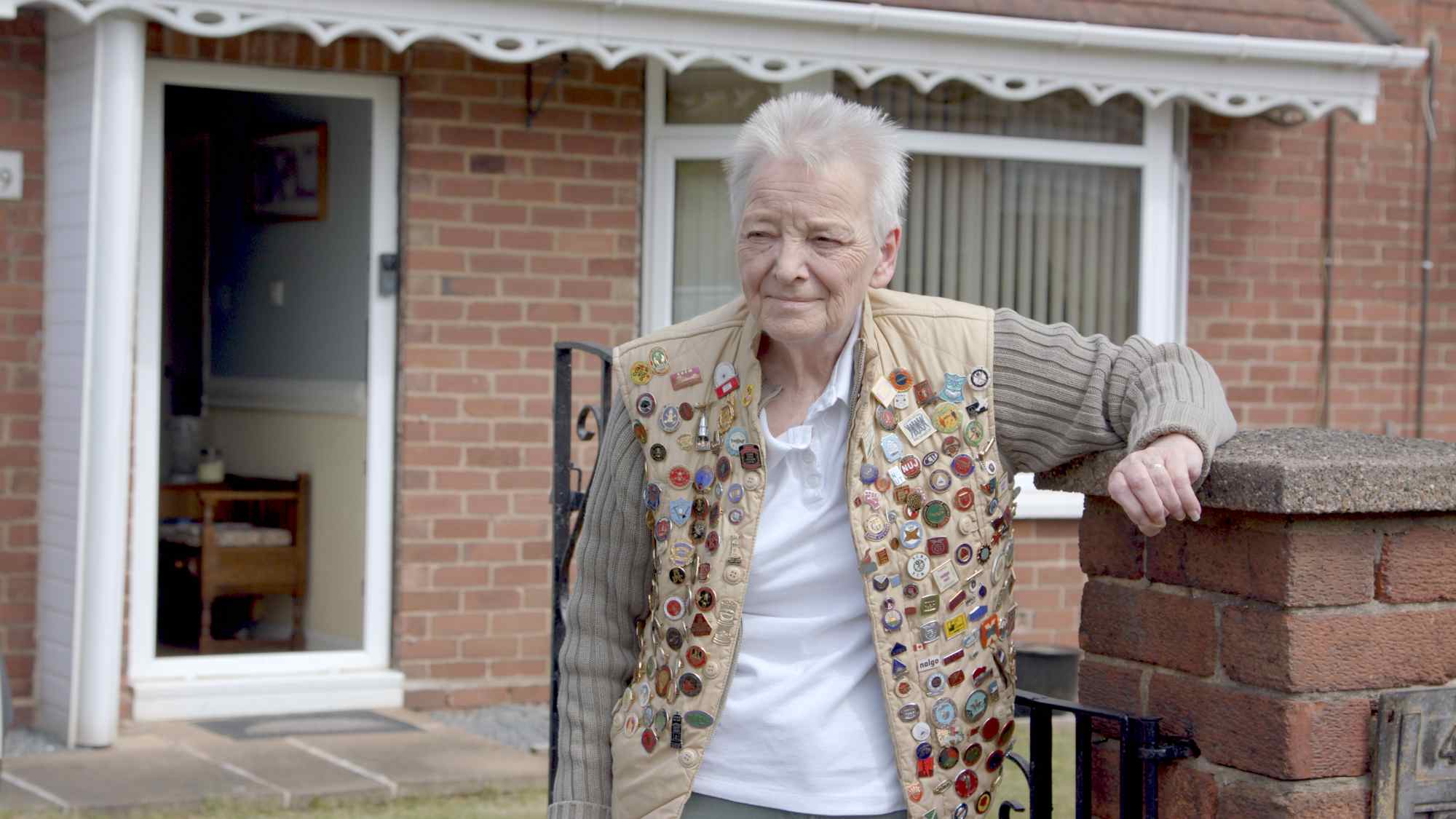
Betty Cook | Image courtesy of: Iron Ladies, Shut Out The Light Films 2025
3 min read
Focusing on the individual testimony of female veterans of the miners’ strike, this film is a sensitive portrayal of women whose stories are too rarely told
Iron Ladies, a new documentary by Liverpool director Daniel Draper, opens with archive footage of women setting up a picket outside the department for trade and industry in London. They are protesting against the second wave of pit closures in the early 1990s – a visual reminder that Women Against Pit Closures did not end with the 1984/85 miners’ strike.
The women arrive fully equipped with a brazier, placards and sandwiches, before attempting to chain themselves to the department’s imposing front door, while bemused bystanders look on.
Are those besuited onlookers sympathetic? Or is the scene a portent of, at best, mutual incomprehension, as the very different worlds of Westminster and working-class women collide?
The film rests heavily on the individual testimony of women veterans of the miners’ strike – a treasure trove of social history, both personal and political. Tears are shed but there is plenty of laughter too.
 Aggie Currie | Image courtesy of: Iron Ladies, Shut Out The Light Films 2025
These women have become icons of community trade unionism but, as one makes plain, in the midst of terrible hardship, the initial aim was simply to feed their kids.
What began as the more traditional female role of running soup kitchens soon turned to addressing mass meetings (with knees shaking like jelly), travelling far from home to build international solidarity and, critically, fundraising – one interviewee proudly waves a copy of a $20,000 cheque from Bruce Springsteen.
This politicisation of working women was on a scale not seen since the suffragette movement, and there was no going back. We also hear moving stories of women finding personal freedom. One explains that enrolling at an adult education college finally gave her the courage to escape a “horrible marriage”.
Tears are shed but there is plenty of laughter too
Some argue that the miners were never defeated but that society was. When the full force of the state treats strikers as ‘the enemy within’, it is harder for society to fight back. But after years of campaigning, Labour’s announcement of a statutory inquiry into the brutal attacks at Orgreave holds promise that truth and justice will win out.
Iron Ladies is a sensitive and respectful portrayal of women whose stories are too rarely told. Some hope that their experience will inspire a new generation of young women who, it transpires, can teach the veterans a thing or two.
 But perhaps the film could have taken a fresh angle on the women’s story by exploring this dimension further. What are the lessons for community organising today? Imagine a conversation between Women Against Pit Closures and pro-Palestinian rights activists about peaceful direct action. And, when faced with the rise of artificial intelligence and low carbon technologies, how grassroots organising can prevent the kind of industrial vandalism inflicted by the Margaret Thatcher government and instead forge a just transition.
Finally, Britain’s recent strike wave notably involved nurses, cleaners and education staff – predominantly women. I wish the film had posed the question whether more dads, sons and brothers should repay the historical favour and, as men, organise stronger community solidarity with working class women.
Baroness O’Grady is a Labour peer and former general secretary of the TUC
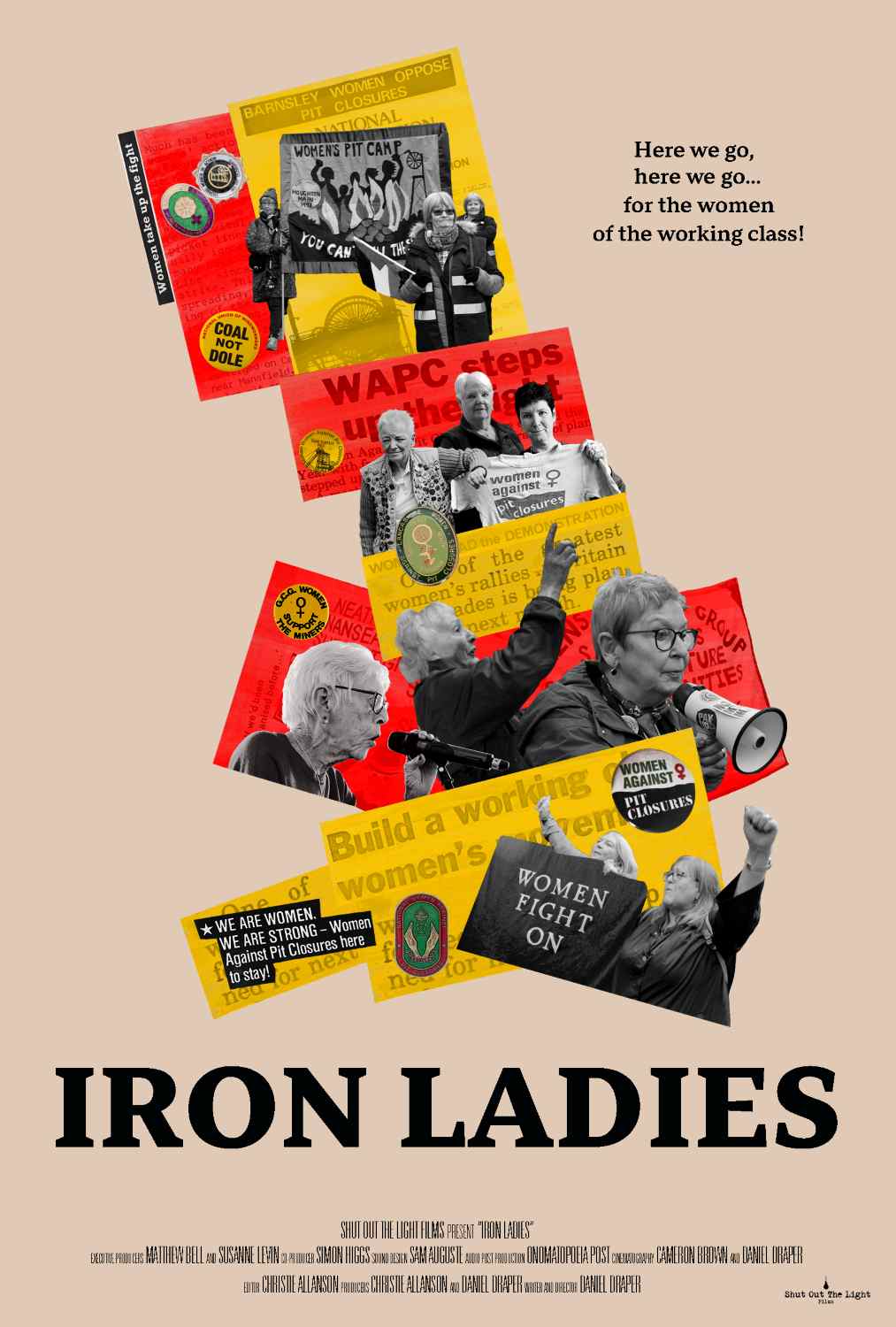
Iron Ladies
Directed by: Daniel Draper
Venue: UK cinemas from Friday 10 October
