"Utterly compelling": Peter Swallow reviews 'Alexander: God, King, Man'
Skopje: statue of Alexander the Great | Image by: AdobeStock
3 min read
A gripping portrait of a complicated man – if you like your history dry and measured, this isn’t the book for you
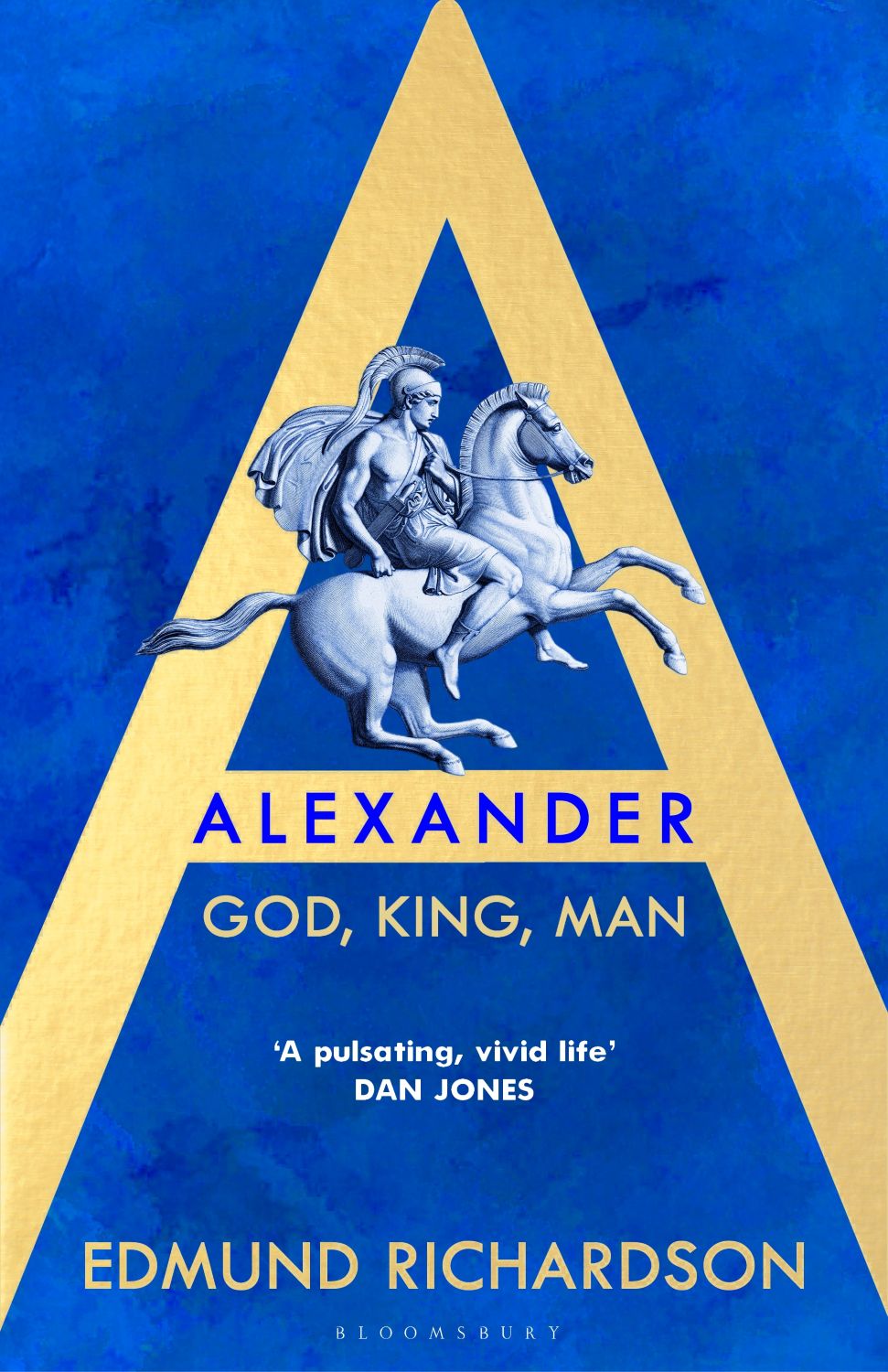
Christopher Nolan’s acclaimed retelling of the Odyssey has been a box office hit, but it wasn’t the summer’s only Greek blockbuster. If you’re looking for something just as cinematic, Edmund Richardson’s new biography Alexander: God, King, Man is a must-read.
Although meticulously researched, Richardson’s historical account is not staid and academical. It is written as a gripping narrative, and Richardson is just as comfortable relating how Alexander must have felt facing down an army of war elephants – or the fraying emotions of his army as they realised their general’s ambitions would never be sated – as he is relaying historical facts. If you like your history dry and measured, this isn’t the book for you. I found it utterly compelling.
We have come to call Alexander “the Great” (a title Richardson reminds us isn’t contemporary). Alexander certainly achieved great things, and built an empire larger than any before seen. He also utterly failed to hold it together, and it shattered immediately on his death. “Alexander had hoped to remake the world. Instead, he left it in ruins.” A wonderful portrait of a complicated man, the book is unforgivingly, unrelentingly honest about his flaws as well as his triumphs.
Richardson sets out the brutality of the great general’s campaign unapologetically, cataloguing the myriad ways he manages to get his men killed – from being crushed by boulders while attempting to siege a clifftop citadel, to dying of thirst in a desert, to succumbing to acute alcohol poisoning after Alexander ordered his men to hold a drinking competition. Thousands are sacrificed on the altar of Alexander’s ambition and everyone who survives is left traumatised. “At the end of their campaign,” Richardson writes, “the soldiers could find no rest and no peace.” The Greeks had no term for shell shock.
He sets out the brutality of Alexander's campaign... cataloguing the myriad ways he manages to get his men killed
But for all the vivid descriptions of battles and lively character portraits, Richardson is at his best when describing the cities of Alexander’s universe – the founding of Alexandria, of course, as well as the wonders of Susa and Persepolis, but also many of the smaller, less well-known cities Alexander founded. A particular highlight is Ai Khanoum, founded “near the northern foothills of the Hindu Kush mountains” in Afghanistan. Richardson declares the city “the decades-long work of hope, in marble, lapis lazuli and gold – a glittering Greek city on the plains of Asia”.
 Reading this book as a classicist (before my election I was actually a researcher in the same department as the author), I am blown away by the confidence with which Richardson juggles a dizzying array of sources from numerous cultures and languages. He even makes use of innovative AI techniques, creating computer models to locate the sight of an ancient siege or highlight the logistical nightmare of attempting to march an army and its baggage train through an arid desert.
As a politician, I’m struck by the lessons any aspiring leader can learn from Alexander’s example. (And the lessons leaders seem never to learn – Alexander was the first to discover at his cost that one should not attempt to invade Afghanistan during the winter.) Whatever your interest, this biography is a fantastic read. And should Nolan be looking for his next screenplay to adapt, he would be wise to give Richardson a call.
Peter Swallow is Labour MP for Bracknell
Alexander: God, King, Man
By: Dr Edmund Richardson
Publisher: Bloomsbury Publishing
