"Ashcroft reveals a man of duty": Baroness Hoey reviews 'The Farage Factor'
July 1999: Newly elected UKIP MEP, Nigel Farage | Image ©: Mark Lloyd/Daily Mail/Shutterstock
4 min read
Well-researched and easy to read, Lord Ashcroft’s biography probably won’t change any minds – but it does reveal that beneath the showmanship and carefree façade is a deeply patriotic man of duty
As I write, the fallout from the Makerfield by-election has begun. Once again, Reform UK is being dismissed as having peaked. Michael Ashcroft’s The Farage Factor takes on a new significance.
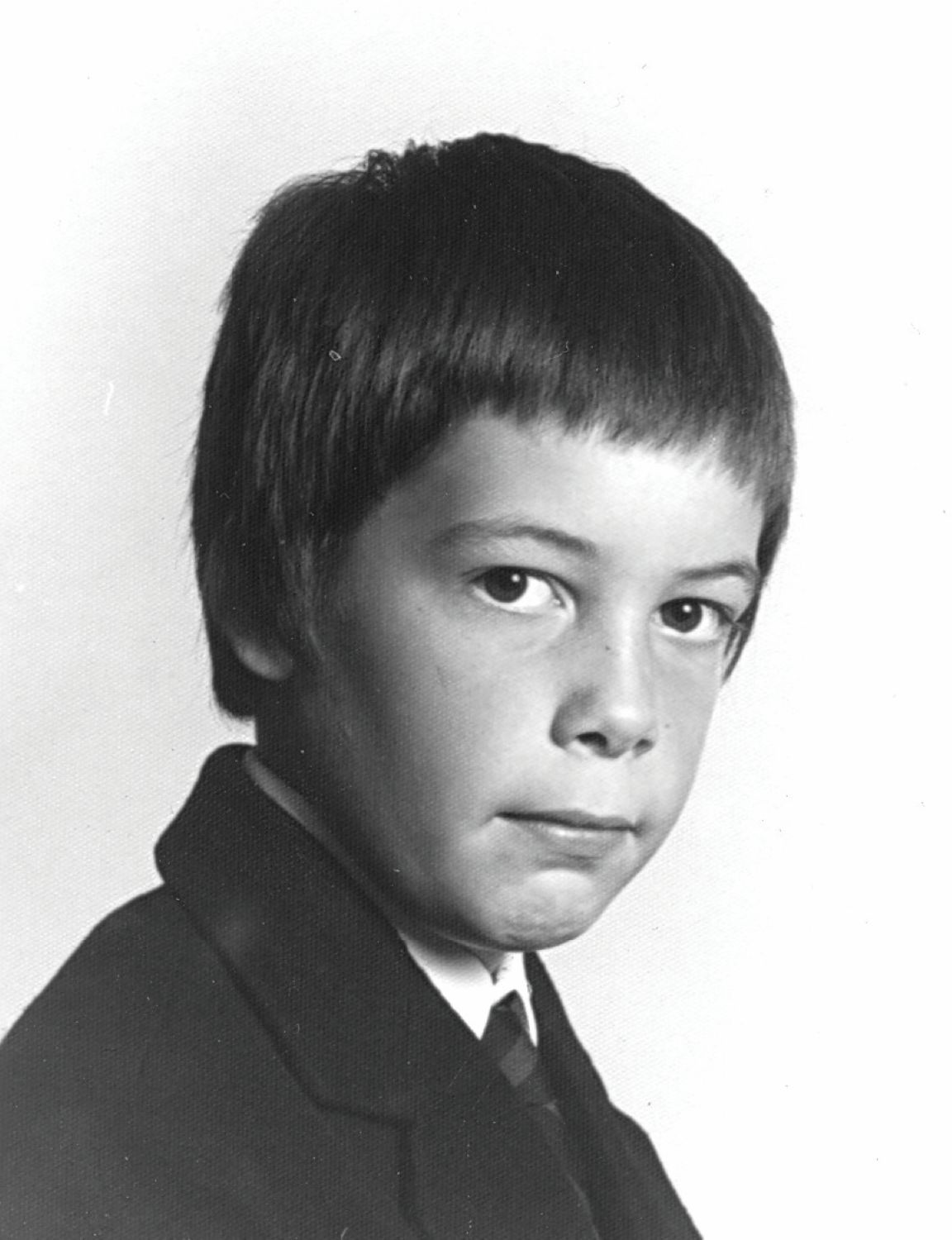 1974: Age 10 | ©: Nigel Farage
I know Nigel Farage well, having worked with him on the leave campaign, speaking at rallies around the UK. I had assumed I would know most of what was written about him in the book. I was wrong.
Ashcroft has managed to speak to many who knew the younger Farage and paints a picture of how, from an early age, he never followed the crowd. “He didn’t suffer fools gladly and he was never too worried about upsetting people,” according to one school friend. Even aged 11, in 1975, he opposed the Common Market in a school debate.
It was at Dulwich College that a history teacher fostered his passion for the First World War, which remains with him today. He had no interest in attending university but determinedly followed his father and grandfather into the City.
What really comes through so clearly in the book is how appallingly he has been treated by the political and media class throughout his career. All leading politicians have their lives dissected, but in Farage’s case so much of the denigration has been completely untrue.
I had assumed I would know most of what was written about him in the book. I was wrong
Ashcroft delves into many of the accusations against him. He takes great care via rigorous research and multiple interviews to acknowledge his personal failings but also to query these charges. Farage purged the BNP from UKIP, so why has he been labelled racist? In 2009, he voiced concern in an interview with the Jewish Chronicle about antisemitism in the EU, yet has been labelled antisemitic.
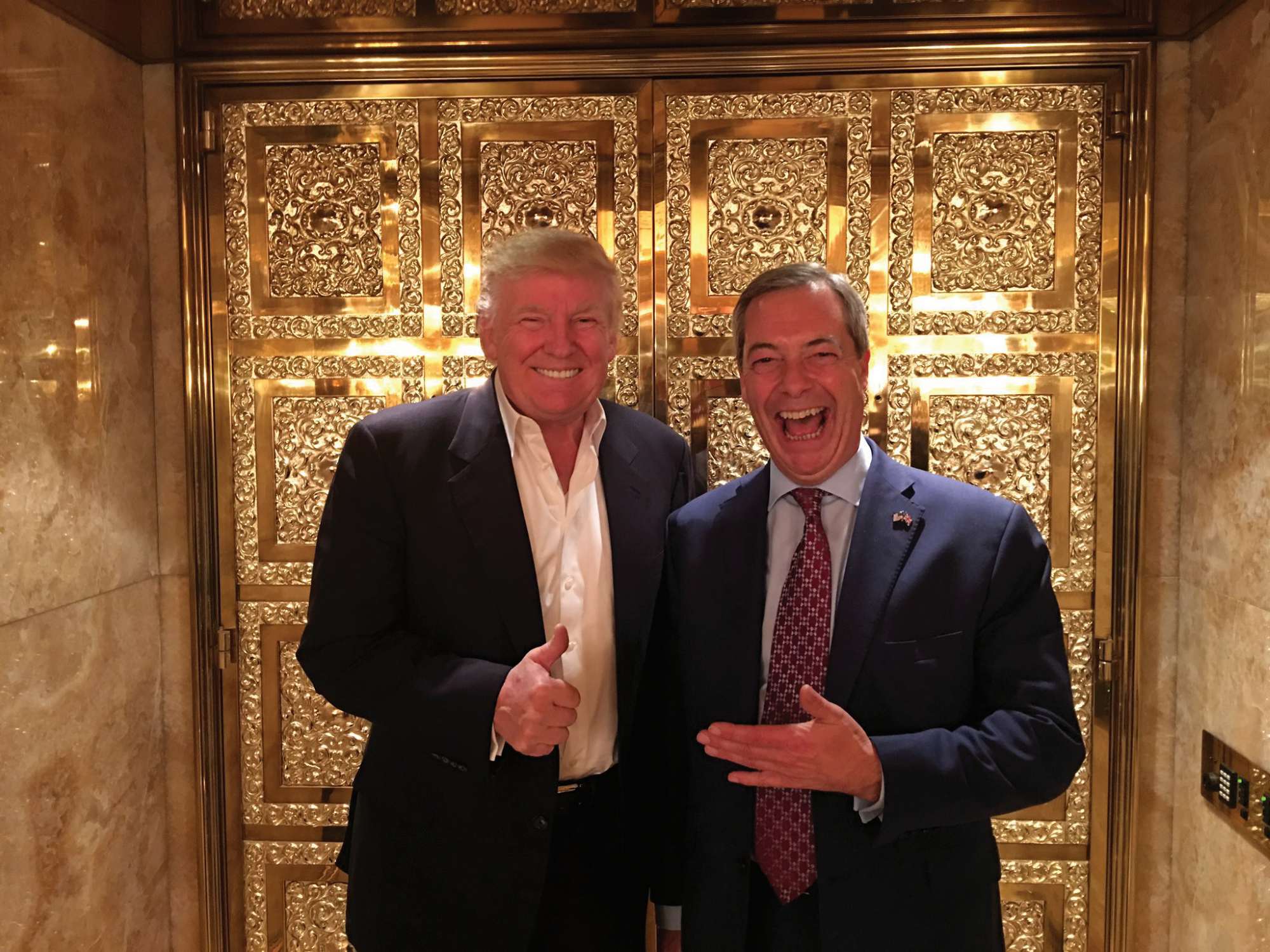 Nigel Farage, November 2016: first British politician to meet Trump as President-elect
Image ©: Andy Wigmore
Ashcroft reminds us that some attacks have been vicious, such as when he was mocked by The Sunday Times for having one testicle after suffering cancer. Physical attacks have been part of his life for years, necessitating 24-hour security. Unlike other MPs, he is barracked and heckled whenever he rises to speak in the Commons, yet his support for free speech remains. Despite the vitriol, he still fights for his beliefs.
Labour peer Lord Glasman rates him as one of the two most consequential politicians of the past 40 years. “I respect Nigel for holding a position in the face of tremendous hate,” he says.
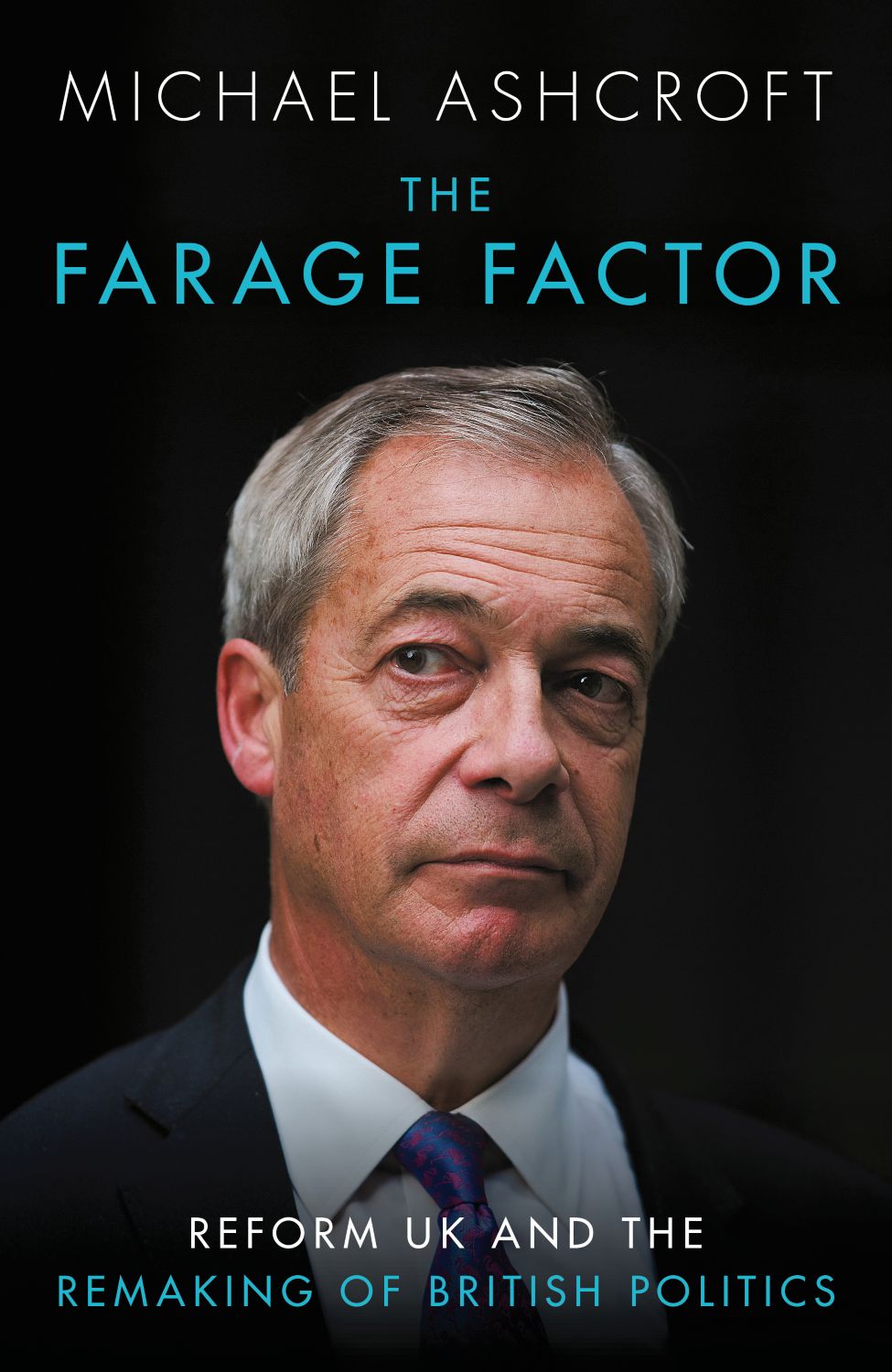 There is little on the Brexit campaign in the book, which is designed to show how since winning the referendum Farage has become even more visible and influential than he was in 2016. It outlines the challenges he faces in fashioning Reform into a mainstream party that does not have to depend on his charisma and political skills to thrive. This critical battle is still very much in progress.
This book is well-researched, well-written and easy to read. It won’t change the views of those who hate Farage – or fear him – but it might show some voters that beneath the showmanship and carefree façade is a deeply patriotic man whose sense of duty means he will not give up on his desire to remake the United Kingdom in a way which will set it back onto a path towards prosperity. Time will tell.
Baroness Hoey is a non-affiliated peer
The Farage Factor: Reform UK and the remaking of British Politics
By: Michael Ashcroft
Publisher: Biteback
