"A distinguished piece of work": Lord Blackwater reviews 'De Gaulle: Résistance'
Simon Abkarian as Charles de Gaulle | Image by: TCD/Prod.DB / Alamy
4 min read
The first instalment of a two-part epic, director Antonin Baudry’s riveting depiction of Charles de Gaulle’s fight to lead the Free French does his subject proud
One of the great stories of the Second World War concerns the combustible relationship between Winston Churchill and Charles de Gaulle, the self-appointed leader of the Free French who exiled himself to Britain in June 1940.
As this riveting film shows, barely had de Gaulle reached London than he started to provoke his hosts, not so much by exceeding his remit – he didn’t really have a remit to exceed – but by proving hard to handle, and compromising Churchill’s foreign policy, especially towards America.
Director Antonin Baudry (who also co-wrote the film) has done his subject proud. He is well-served by his two main actors – Simon Abkarian, playing the French General just the right side of caricature; and Simon Russell Beale, a little too portly even for Churchill, but in a performance that eventually grows on the viewer (though I doubt Churchill’s French, said by most of his more linguistically adept colleagues to have been execrable, was in the same league as Sir Simon’s).
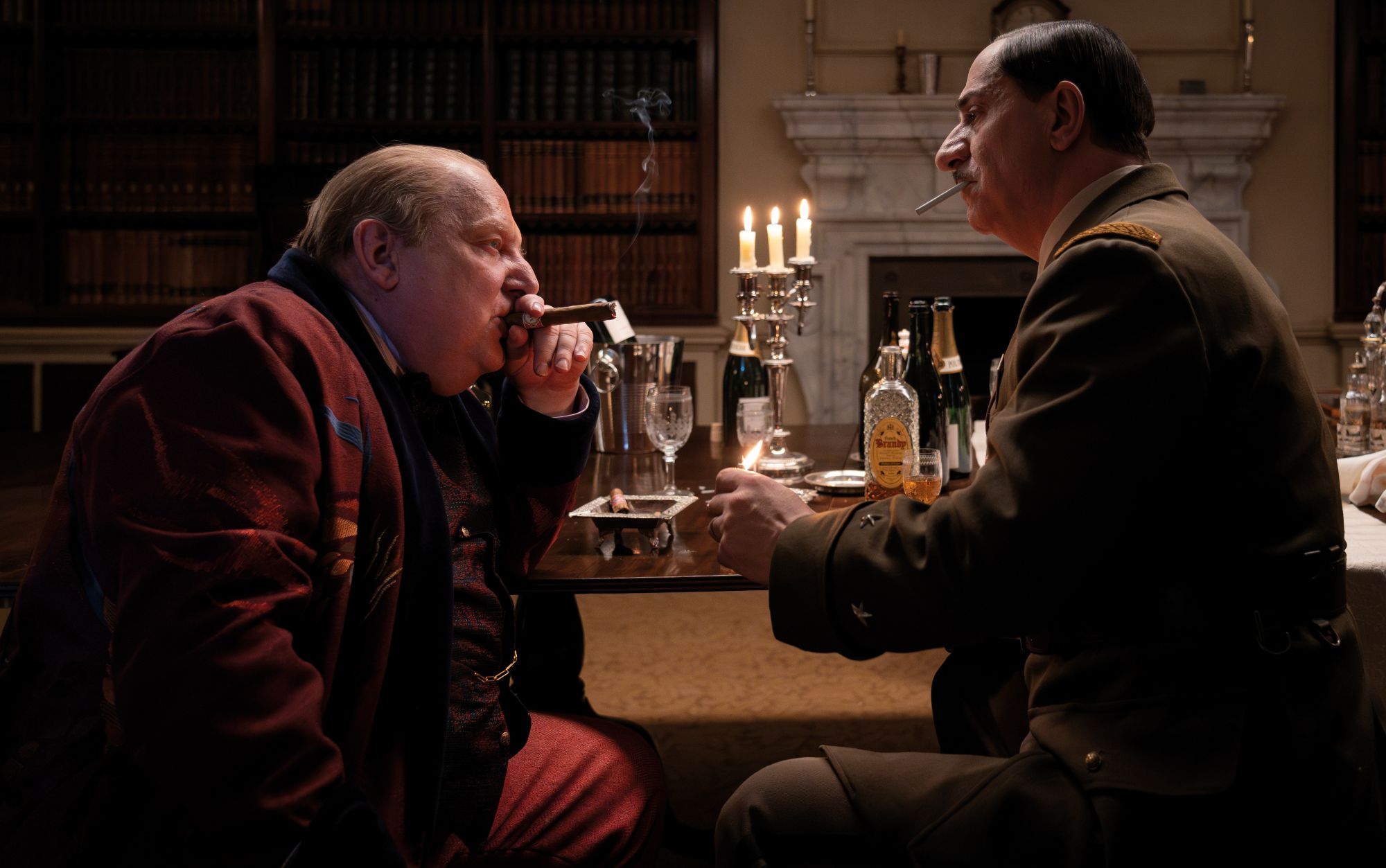 Simon Russell Beale as Churchill and Simon Abkarian as de Gaulle
Image courtesy of Entertainment Film Distributors; photo by: Malgosia Abramowska
Director Antonin Baudry is well served by his two main actors
At the end of the film, there is the customary disclaimer that what we have seen is based on fact but is a work of fiction. Some of the early events are out of sequence and although President Roosevelt deeply disliked de Gaulle, it is far from clear that he ever threatened Churchill about his patronage of him, or believed that Churchill in some way controlled him. But the film is mostly historically accurate, though any student of the period would be well-advised to read Julian Jackson’s magnificent biography, A Certain Idea of France: The Life of Charles de Gaulle, on which the film is based, to verify all the details.
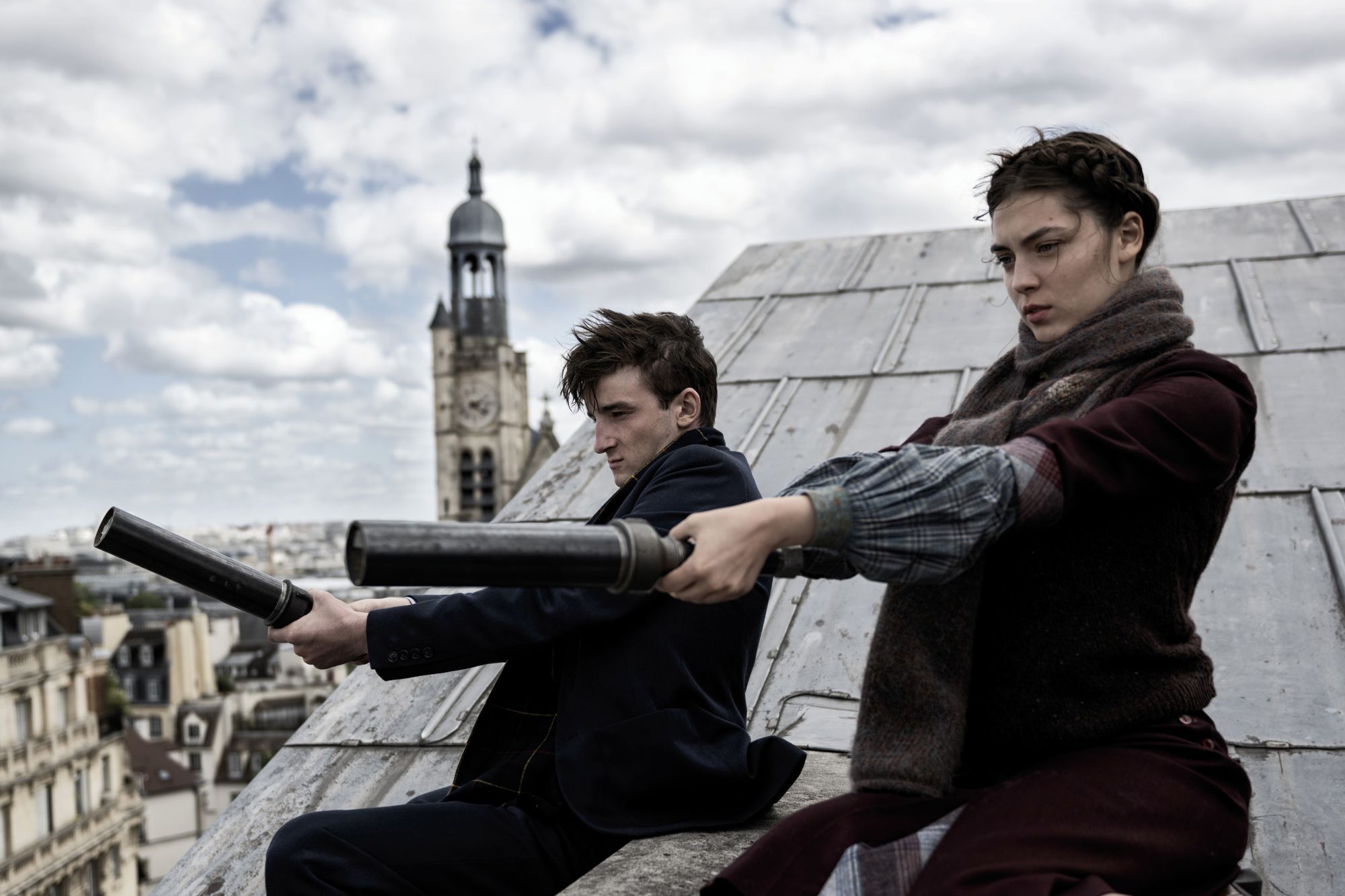 Florian Lesieur as Fernand and Anamaria Vartolomei as Livia
Image courtesy of Entertainment Film Distributors
After de Gaulle arrives in England, we follow the development of his relationship with Churchill and with General Edward Louis Spears, Churchill’s friend and main liaison officer, excellently played by Anthony Calf. Tom Mison is two-dimensional as Anthony Eden, Campbell Scott woefully miscast as Roosevelt. But these are almost incidental: the story focuses mainly on de Gaulle, despite setbacks, establishing his right to speak for France. He orders the Free French to hold out near Tobruk to allow the British Eighth Army to escape; their remarkable success in this regard seals de Gaulle’s supremacy: he took an enormous risk, but it paid off.
 A sub-plot follows the last two years of the life of Fernand Bonnier de La Chapelle, a ferocious anti-Pétainiste who – with the Nazis on his trail in Paris – goes to live with his father in Algiers. There, he assassinates the former Vichy loyalist Admiral Darlan after he has done a deal with the Allies, and ends up himself in front of a firing squad. It’s well done, but it is unclear why it is in a film ostensibly about de Gaulle.
The film ends at that point, with the General vindicated by the growth of the Free French in Africa. The second part of the film, out in a few weeks, takes the story up to de Gaulle’s triumphant return to France as its leader. On the strength of this distinguished piece of work, it can’t come soon enough.
Professor the Lord Blackwater is a Conservative peer
De Gaulle: Resistance
Directed by: Antonin Baudry
Written by: Antonin Baudry & Bérénice Vila
Venue: Selected cinemas
