'A serious piece of work': Lord Young reviews 'The Usual Channels'
May 2024: Then chief whip Simon Hart leaving Downing Street | Image by: Alamy / PjrNews
4 min read
Sebastian Whale has produced a well researched and accurate account of how the whips’ office works
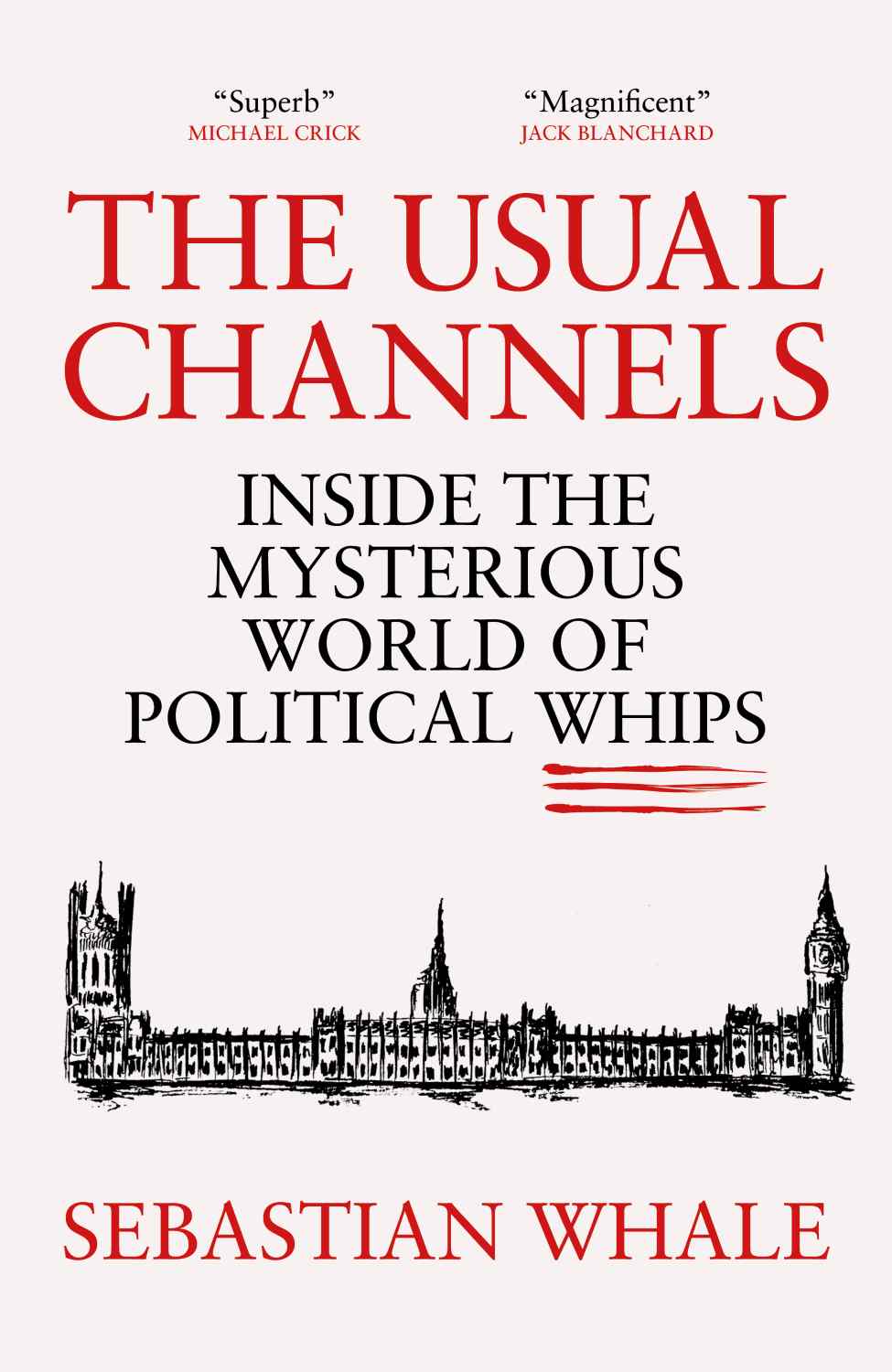
It is always good to be invited by The House magazine to review a book – more so when the book is Sebastian Whale’s The Usual Channels: Inside the Mysterious World of Political Whips, as that is a world that I have lived in.
The deadline of a week seemed reasonable. Until 526 pages arrived. Some reviewers can skim through a book and write a convincing summary, but that skill eludes me. (Could ChatGPT help here?)
Nine of the 526 pages were the index, with about 50 names on each. That provides a clue to the value of the book. Whale interviewed a large number of whips and ex-whips, enabling him to write an accurate and sympathetic account of how the office works.
Traditionally, whips didn’t speak to journalists. Omertà. That has changed. I believe it is perfectly legitimate to inform a well-researched and serious piece of work like this; what is not legitimate, and what some of my colleagues have done, is to betray personal confidences to secure publicity and make money.
Transparency is more important now, due to the success of my noble friend Michael Dobbs’ House of Cards, from which many have concluded that its fictional portrayal of whips is true. I have a personal interest in countering his portrayal of the government chief whip as a duplicitous, adulterous murderer. Whale quotes one whip as saying: “Michael Dobbs wrote that whips were throwing people off the top of buildings. These days, whips talk people down from the top of buildings.”
Now, the whips’ office resembles a branch of adult services in a busy county council
His book includes a history of the office, to complement that of the late Tim (Lord) Renton. I learned much from this, including that, until 1886, the chief whip administered the king’s ‘Secret Service Fund’ of £10,000 per year. Over £1m in today’s money. Wow!
More recently, he shows how much the office has changed since I first joined as an opposition whip in 1976. Then, the HR function was minimal. “George, are you all right for money?” was my whip Cecil Parkinson’s only interest in my welfare. Now, the whips’ office resembles a branch of adult services in a busy county council.
The welcome increase in the number of female MPs – including as whips – has meant that behaviour which might have been acceptable then is wholly unacceptable now. The change in hours and the fact that each MP has their own room has made information gathering by the whips more difficult. We used to gather informally in the tea room, smoking room – or Strangers and Annies – to chat before the 10pm vote. Now, by that time, MPs are tucked up in bed.
 It was news to me that the chief whip now has three spads – and I may not be alone in being cautious about this increasing reliance on these unaccountable and often inexperienced people, who can get their boss into trouble, rather than help avoid it.
The one omission is the role of whips on an obscure but important committee: PBL (Parliamentary Business and Legislation). This fixes the size and content of the legislative programme, and then grills ministers – with no civil servants to help them – before they introduce their own bill. It can be brutal.
And, as the House of Lords sits late into the night grappling with bill after bill, I wonder whether today’s whips have been brutal enough.
Lord Young of Cookham is a Conservative peer and former chief whip
The Usual Channels: Inside the Mysterious World of Political Whips
By: Sebastian Whale
Publisher: Biteback
