"Impressive": Sir Wayne David reviews 'Dafydd Elis-Thomas: Nation Builder'
April 2009, Cardiff Bay: then-presiding officer of the National Assembly for Wales (now Senedd), Dafydd Elis-Thomas | Image by: Jeff Morgan 06 / Alamy
3 min read
This well written and researched biography holds valuable insights into the life of a remarkable Welshman
I first met Dafydd Elis-Thomas when I was a student during the 1984-85 Miners’ Strike. He was speaking at a miners’ support meeting in the Llynfi Valley in South Wales. I well remember thinking that he did not fit my idea of the ‘typical’ Welsh nationalist, being dapperly dressed with long, trendy sideburns. And, although he came across as somewhat cerebral and academic, his message of ‘solidarity’ was clear and was well received by the miners.
My initial impression was not wide of the mark. In this impressive biography, Aled Eirug describes a man who was full of complexity and colour, and a politician who played a central role in Welsh politics for nearly 50 years.
Dafydd Elis-Thomas was born in Carmarthenshire and brought up in Ceredigion and the Conwy Valley, before attending Bangor University. At the age of 27 he was elected the Plaid Cymru MP for Merioneth (later Meirionnydd Nant Conwy), becoming the youngest Member of Parliament. He became president of Plaid Cymru and after the Commons, Elis-Thomas became a member of the House of Lords.
Undoubtedly this biography is sympathetic to Dafydd Elis-Thomas. But it is most definitely not a hagiography
When Wales voted for devolution in 1997, the Welsh Assembly became Elis-Thomas’ principal political focus. He was the assembly’s first presiding officer (Speaker) and, Eurig sets out how, alongside Rhodri Morgan, Elis-Thomas played a crucial role in embedding the assembly firmly into Welsh life and creating its iconic new home. He later left Plaid Cymru and became the Welsh government minister for culture, sport and tourism under the Labour first minister Carwyn Jones.
Much of the biography is based on interviews and discussions with Elis-Thomas shortly before his death in early 2025. This is why the book is described as an ‘approved biography’ in its final page. However, the biography also draws extensively on other sources and interviews, including by those who were critical of him.
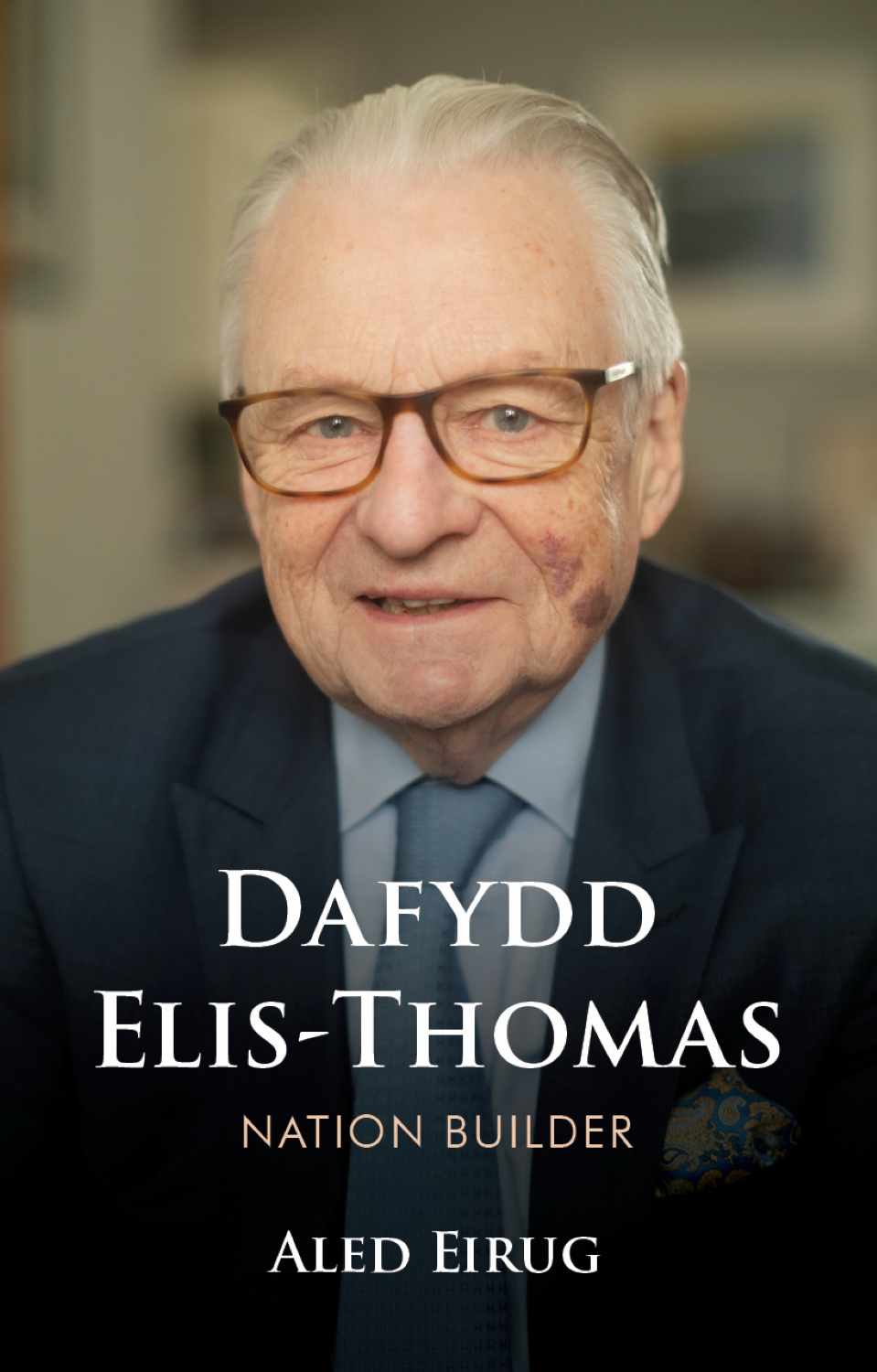 As Eirug makes clear, at various points in Elis-Thomas’ career, he was roundly attacked by opponents both inside and outside of his own party, Plaid Cymru. He was criticised for accepting a peerage; he was lampooned for attacking traditional Welsh nationalists (he said that the founders of Plaid Cymru were “a bunch of ultra-reactionary fascists”); he was criticised for being a bon viveur; he was dubbed the “Merioneth Marxist”; he was branded a “traitor” for opposing Sinn Fein’s visit to Welsh language groups; and he was labelled a “political chameleon” – someone who was prepared to change his politics on a whim. Nevertheless, it is true to say that without Elis-Thomas’ vision, determination and ability to work with others, including political opponents, the Welsh Assembly would not have developed into the legislative parliament it is today.
Undoubtedly this biography is sympathetic to Dafydd Elis-Thomas. But it is most definitely not a hagiography. It is supportive without being sycophantic. Well written and researched, it gives a valuable insight into the life and achievements of a remarkable Welshman.
Sir Wayne David is former Labour MP for Caerphilly
Dafydd Elis-Thomas: Nation Builder
By: Aled Eirug
Publisher: University of Wales Press
